Uni-1 vs Nano Banana Pro: I Ran Both for Two Weeks. Here's What Actually Happened
- 1. Quick Breakdown Before We Go Deeper
- 2. Why This Comparison Exists
- 3. What "Reasoning-Driven Generation" Actually Means in Practice
- 4. Where Nano Banana Pro Is Genuinely Better
- 5. What Real Users Are Saying (And What They're Not Saying)
- 6. The Four Seasons Test: Same Prompt, Different Results
- 7. Honest Limitations — Both Models
- 8. Who Should Use Which
- 9. FAQ
- 10. Final Take
1. Quick Breakdown Before We Go Deeper
| Feature | Uni-1 | Nano Banana Pro |
|---|---|---|
| Generation Method | Reasoning-driven, self-regressive | Diffusion (noise → image) |
| Image Quality | Strong spatial logic, scene coherence | Detail retention, texture fidelity |
| Text Rendering | Handles Chinese and typography well | Inconsistent — placement issues |
| Reference Image Limit | Up to 9 | Up to 4 |
| Price (2K generation) | $0.09/image | $0.134/image |
| Best Fit | Multi-layer creative scenes | Commercial product shots |
The pricing gap matters more than it looks. If you're generating 500 images a month — which isn't unusual for a mid-size content team — that's a $22 difference per cycle. Across a year, you're looking at $264 just from the per-image cost delta.
2. Why This Comparison Exists
I'll be honest — I almost didn't write this.
There are already dozens of AI image tool comparisons online. Most of them read like spec sheets. You get a table, some bullet points, and a conclusion that tells you both tools are "great for different use cases." Not helpful.
So I spent two weeks running Uni-1 (Luma AI) and Nano Banana Pro (Google) on the same prompts, same conditions, same output requirements. What I found wasn't what I expected going in.
3. What "Reasoning-Driven Generation" Actually Means in Practice
Most image generators do the same thing: start with noise, remove it layer by layer until an image appears. Uni-1 doesn't work that way.
It builds images the way a person might plan a scene — understanding what’s in the frame, where things should be spatially, and why certain elements relate to each other. This isn’t just marketing language; you can actually see it in the output. According to Luma AI’s official Uni-1 overview page, this self-regressive unified architecture combines reasoning and generation in the same model. Independent reporting from The Decoder also highlights how Uni-1 performs strongly on logic-based benchmarks compared to Nano Banana series.
I gave both models this prompt:
"A futuristic city skyline at dusk, with energy streams flowing through the foreground — motion implied, not static."
Nano Banana Pro came back with a beautiful image. Sharp buildings, solid lighting. But the "energy streams" were decorative. They sat on top of the scene like a texture overlay.
Uni-1's version was different. The streams felt like they had direction. They connected to the architecture. Nothing about it was technically perfect — but it felt thought through.
That's the difference. Not quality. Intention.
If you want to take that reasoning-driven output further — pairing it with motion — GoEnhance's Image-to-Video tool is worth looking at. It's one of the more natural next steps for Uni-1 outputs that already have implied motion baked in.
If you want to explore that reasoning-first image workflow more directly, GoEnhance's Uni-1 page is a useful next step. It gives you a clearer sense of how Uni-1 fits into a generation workflow built around scene logic, control, and multi-reference image creation.
4. Where Nano Banana Pro Is Genuinely Better
I don't want to oversell Uni-1 here. There are tasks where Nano Banana Pro is the obvious choice. Full stop.
Product renders. Commercial shots. Anything where a client will zoom in and check if the label text is crisp or if the fabric texture looks real.
I ran a product render test — same item, same brief, both models. Nano Banana Pro produced an image I could have dropped into an ad without touching it. The lighting had directionality. The shadows behaved correctly. The surface texture on the product looked like a photo.
Uni-1's version was good. Not ad-ready. There's a difference.
If your output goes directly to a client or into a paid campaign, and realism is the brief — Nano Banana Pro wins that round. And if you're combining that still imagery with motion for campaign content, GoEnhance's AI-powered video creation tools can bridge the gap between static renders and finished video assets without needing a separate production pipeline.
If your workflow leans toward polished commercial stills, product renders, or client-facing visuals, GoEnhance's Nano Banana Pro page is the more relevant place to start. It maps better to the kind of output where realism, text fidelity, and presentation quality matter more than painterly coherence.
5. What Real Users Are Saying (And What They're Not Saying)
Scrolled through X and Reddit for about two hours pulling genuine reactions — not curated testimonials. This thread on X captures a lot of the Uni-1 vs Nano Banana Pro debate well, and the pattern in the comments matches what I kept seeing across multiple threads.
The Uni-1 fans kept using a specific phrase: it "thinks through" the task. Multiple people said this independently. What they meant was that the output felt like it came from someone who understood the prompt, not someone who pattern-matched to it.
The Nano Banana Pro crowd was more results-focused. Less talk about process, more about output quality. One thread on Reddit had a designer sharing product shots for a skincare brand — the Nano Banana Pro results were near-indistinguishable from studio photography. People in the comments were skeptical they were AI-generated at all.
Neither group was wrong. They were solving different problems.
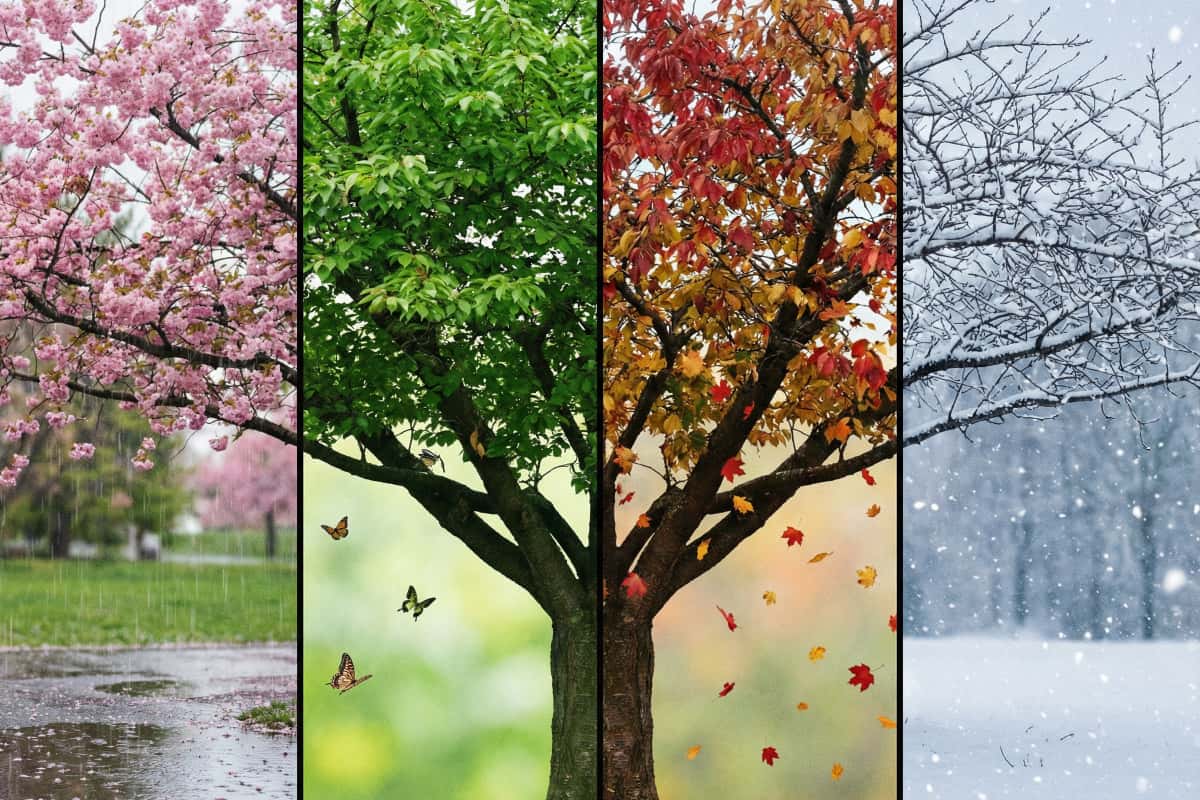
6. The Four Seasons Test: Same Prompt, Different Results
This was the most revealing test I ran.
Prompt:
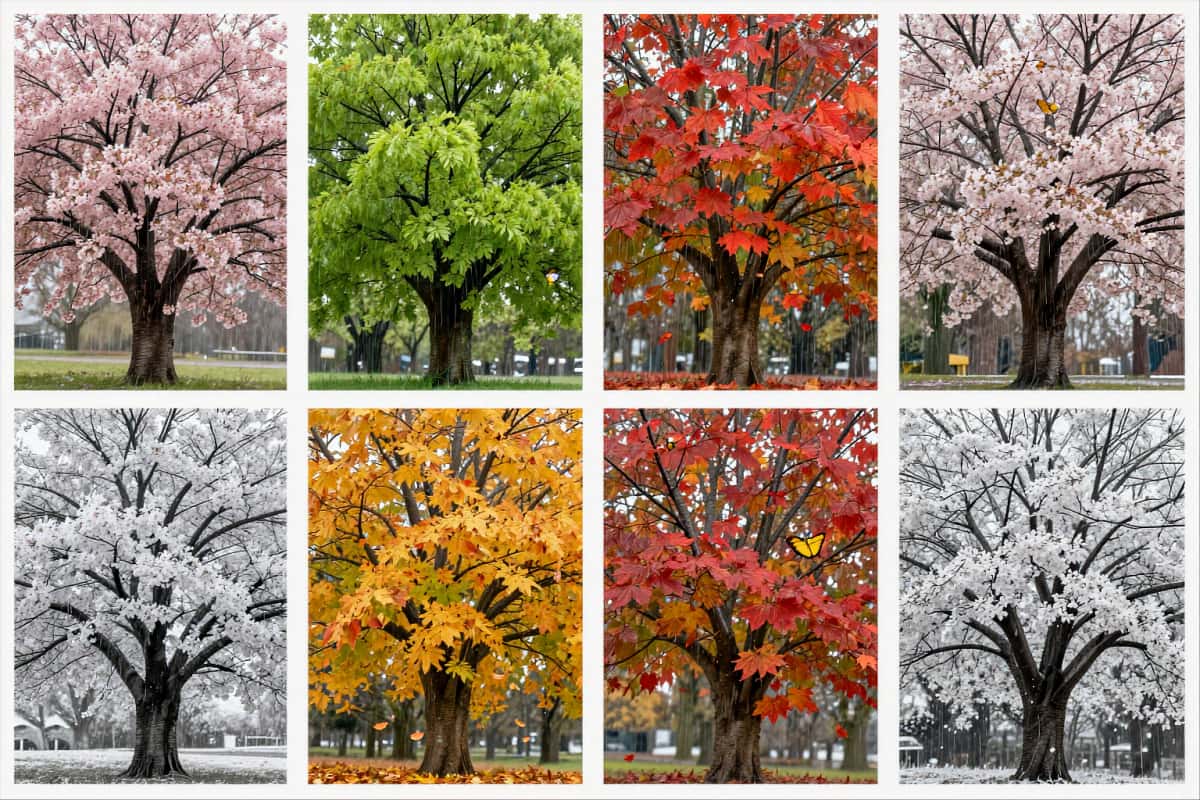
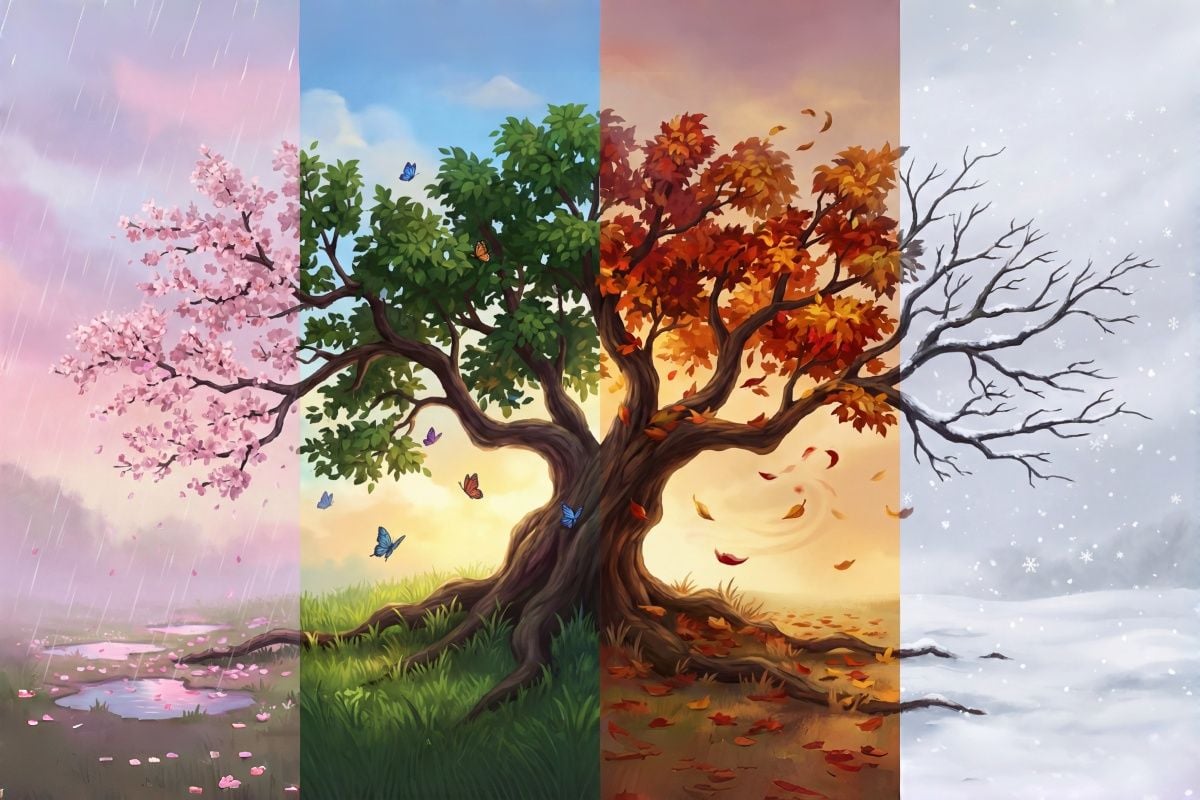
"One cherry blossom tree across four vertical strips — spring with pink blossoms and rain, summer with full green leaves and butterflies, autumn with red and gold falling leaves, winter with bare branches and snow. Same tree, same angle, seamless transitions."
Uni-1: The transitions between strips worked. Spring bled into summer without a hard edge. The color palette shifted gradually. It wasn't photorealistic — it had a painterly softness — but the logic of the image was intact. The tree was the same tree across all four panels. That's harder than it sounds.
Nano Banana Pro: Each strip was individually stunning. The winter panel especially — the snow detail on the bare branches was remarkable. But the transitions between seasons felt abrupt. Four beautiful images placed side by side, rather than one image showing four states of the same thing.
Small distinction. Significant difference in what each tool is actually doing under the hood.
7. Honest Limitations — Both Models
Uni-1 limitations:
- Not the right tool if your client needs photorealistic output for print or commercial advertising
- The artistic stylization can work against you if you need precision
- I couldn't always predict how it would interpret a prompt — which is creative, but occasionally frustrating
Nano Banana Pro limitations:
- Text rendering is genuinely inconsistent. I had three separate tests where Chinese characters came out malformed. For anyone generating content in non-Latin scripts, this is a real problem, not a minor quirk
- Reference image cap at 4 becomes a constraint faster than you'd think on complex scenes
- Higher cost adds up. Not a dealbreaker for commercial use, but worth factoring in before committing
Neither model is the answer to everything. Anyone telling you otherwise is selling something.
8. Who Should Use Which
Use Uni-1 if: You're building scenes with multiple interacting elements. You care about compositional logic. You're generating content where creative coherence matters more than photographic realism. You're working with non-Latin text. Budget is a factor.
Use Nano Banana Pro if: Output goes directly into commercial use. Clients are judging image quality at a detail level. You need fast, reliable, realistic results without much iteration. You're doing product renders, brand visuals, or advertising assets.
9. FAQ
Does Uni-1 stay consistent across a multi-panel scene? Better than most. The reasoning architecture helps it track spatial relationships across a composition. It's not perfect, but it's noticeably more consistent than diffusion-based models on complex multi-element prompts.
Why does Nano Banana Pro struggle with text? Diffusion models generally do. They treat text as a visual pattern rather than meaningful characters. Nano Banana Pro is better than earlier generations, but it's still not reliable enough to trust for text-heavy designs — especially in non-English scripts.
Which one should I start with if I've never used either? Depends what you're making. If you're testing for creative projects — start with Uni-1. If you need commercial-quality output fast — start with Nano Banana Pro. Try both on the same prompt before committing.
Does video content actually perform better than static images? Consistently, yes — Statista's data on video content reach supports this, and it tracks with what most content teams see in real campaign numbers. Worth keeping in mind if you're deciding whether to push static renders into motion. GoEnhance's FAQ page covers how their tools handle both sides of that workflow.
10. Final Take
I came into this expecting Nano Banana Pro to dominate on quality and Uni-1 to be the "creative but less polished" option.
That framing turned out to be wrong.
They're solving different problems. Nano Banana Pro is better at rendering. Uni-1 is better at thinking. Which one matters more depends entirely on what you're building.
The cost difference is real. The reference image limit is real. The text rendering gap is real. These aren't minor feature differences — they change which workflows each model actually fits.
Try both. Run the same prompt through each. The difference will be obvious within ten minutes.
Related: for Google's newer Flash-tier model, see Nano Banana 2.1 and our Nano Banana 2.1 vs Nano Banana 2 test.