goenhance logo

Uni-1 by Luma AI

Uni-1 is an image model built for people who want more than surface-level image generation. It handles scene logic, visual intention, and style direction with a steadier sense of what the picture should actually become, making image creation feel more controlled and less random.

Explore Uni-1

Use Cases of Luma AI Uni-1

What Makes Uni-1 Different

Smarter Scene Understanding

Uni-1 is not just another Uni-1 image generator focused on surface polish. Its strength is how it holds together common-sense scene completion, spatial reasoning, and visual plausibility, so objects, lighting, and relationships feel more grounded instead of randomly assembled.

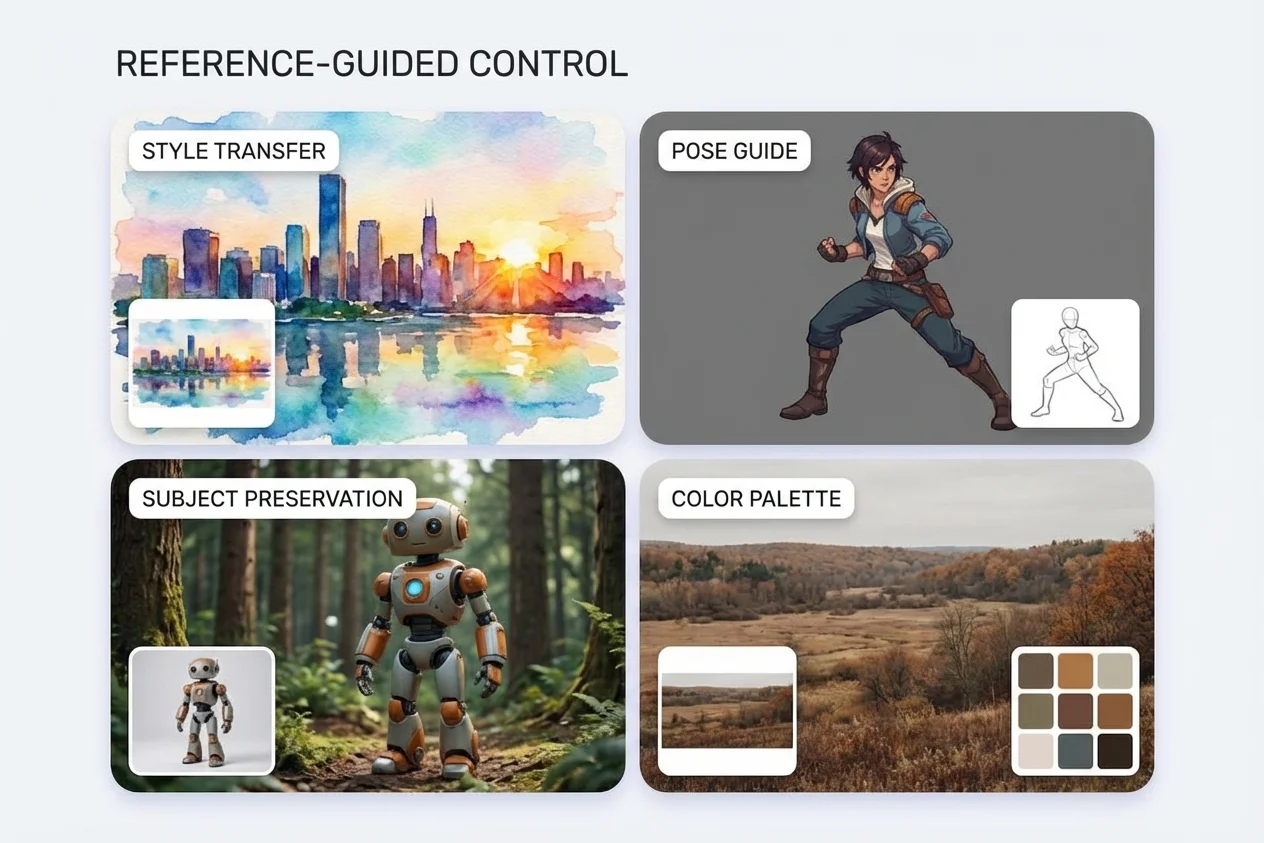
Reference-Guided Control

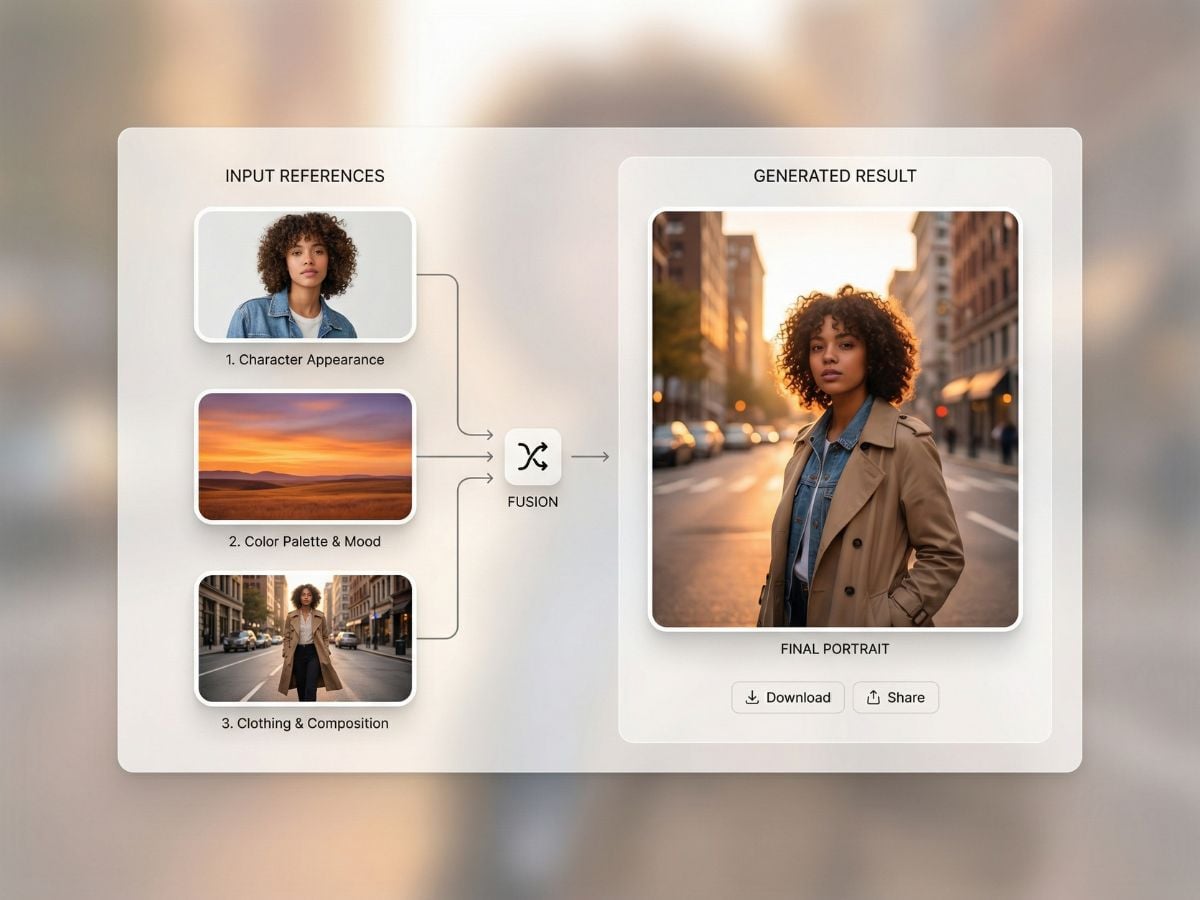
Rather than relying only on text prompts, many creators may get better and more consistent results from Uni-1 by working with reference images. It can draw from multiple source images to preserve subject cues, style traits, and composition ideas, which makes it highly relevant for image to image AI tasks and controlled visual exploration.

Culture-Aware Visual Range

Uni-1 also feels more fluent in modern internet aesthetics, manga-influenced visuals, and stylized contemporary image language. If you already use an AI image generator and want something that feels more responsive to tone, taste, and visual subculture, the official page at Luma AI Uni-1 is worth a look.

Uni-1 vs Nano Banana Pro

FeatureUni-1Nano Banana ProTakeaway
Core PositioningBuilt around stronger visual reasoning, scene understanding, and controlled generationKnown as a high-end image generation benchmark with strong output qualityUni-1 leans more into understanding and controllability
Prompt UnderstandingBetter at handling layered instructions, intent, and visual prioritiesStrong overall, but framed more around output quality than deep reasoningUni-1 is positioned as more responsive to complex requests
Spatial ConsistencyStronger at object placement, occlusion, reflections, and scene logicHigh quality results, but less emphasized for reasoning-heavy scene consistencyUni-1 stands out more in complex scenes
Reference FusionMore flexible with multiple references and guided visual blendingCapable, but not described as the stronger option in multi-reference controlUni-1 is the better fit for reference-led workflows
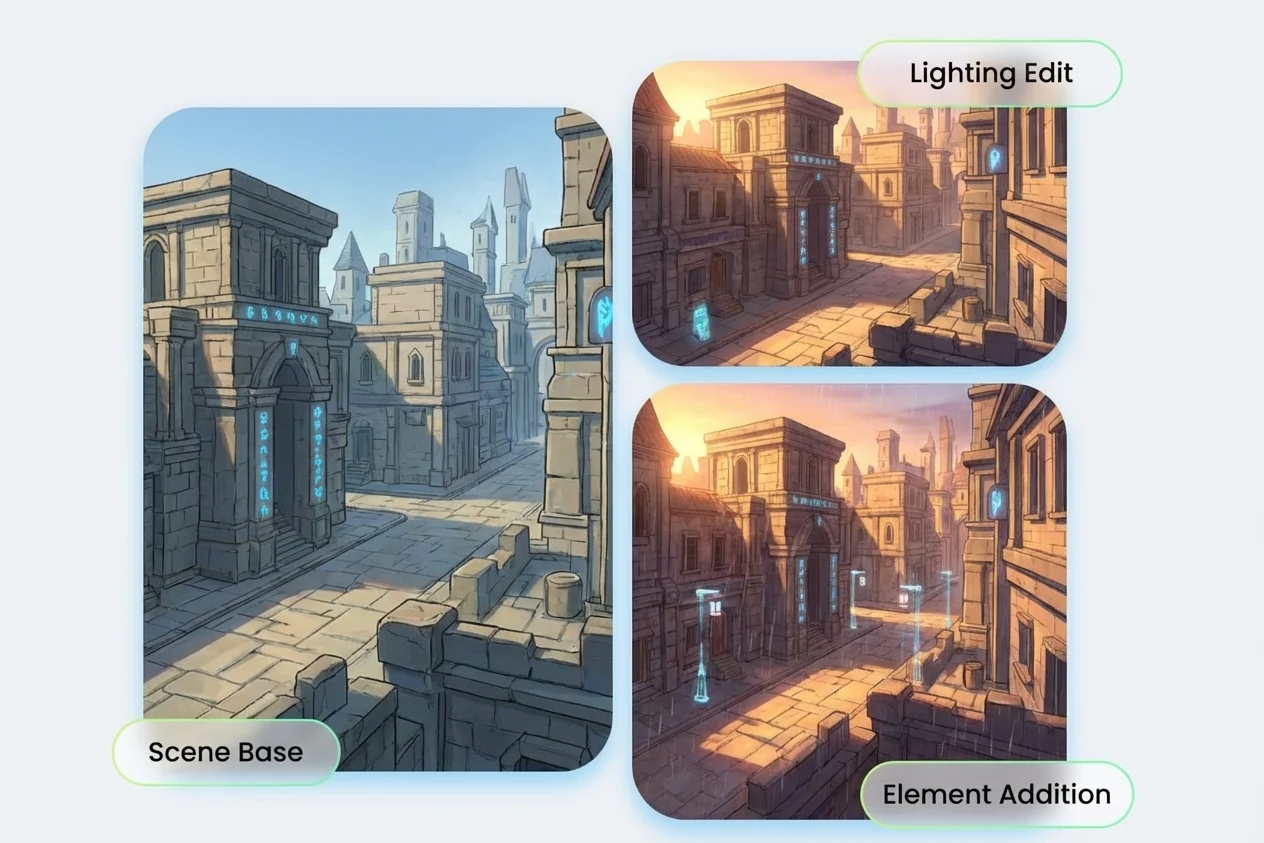
Editing StabilityBetter suited for iterative edits without losing scene directionLess associated with multi-step editing consistency in the comparisonUni-1 feels more reliable for back-and-forth refinement
Reasoning-Heavy TasksDesigned to perform better when the image needs logic, constraints, and common-sense scene completionStill strong, but not positioned as the leader for reasoning-based image tasksUni-1 has the clearer advantage here
Overall Benchmark FramingPresented as slightly ahead in overall reasoning-aware visual benchmarksPresented as a close but lower-scoring competitor in the same comparisonThe gap is not massive, but Uni-1 is framed as leading
Best ForCreators who want controllability, coherence, and stronger scene understandingUsers who prioritize top-tier image quality from an established modelChoose based on whether you value reasoning or traditional image quality first

Why Creators Pay Attention to Uni-1

Uni-1 stands out less because of hype and more because of how it balances intention, control, and image coherence across different use cases.
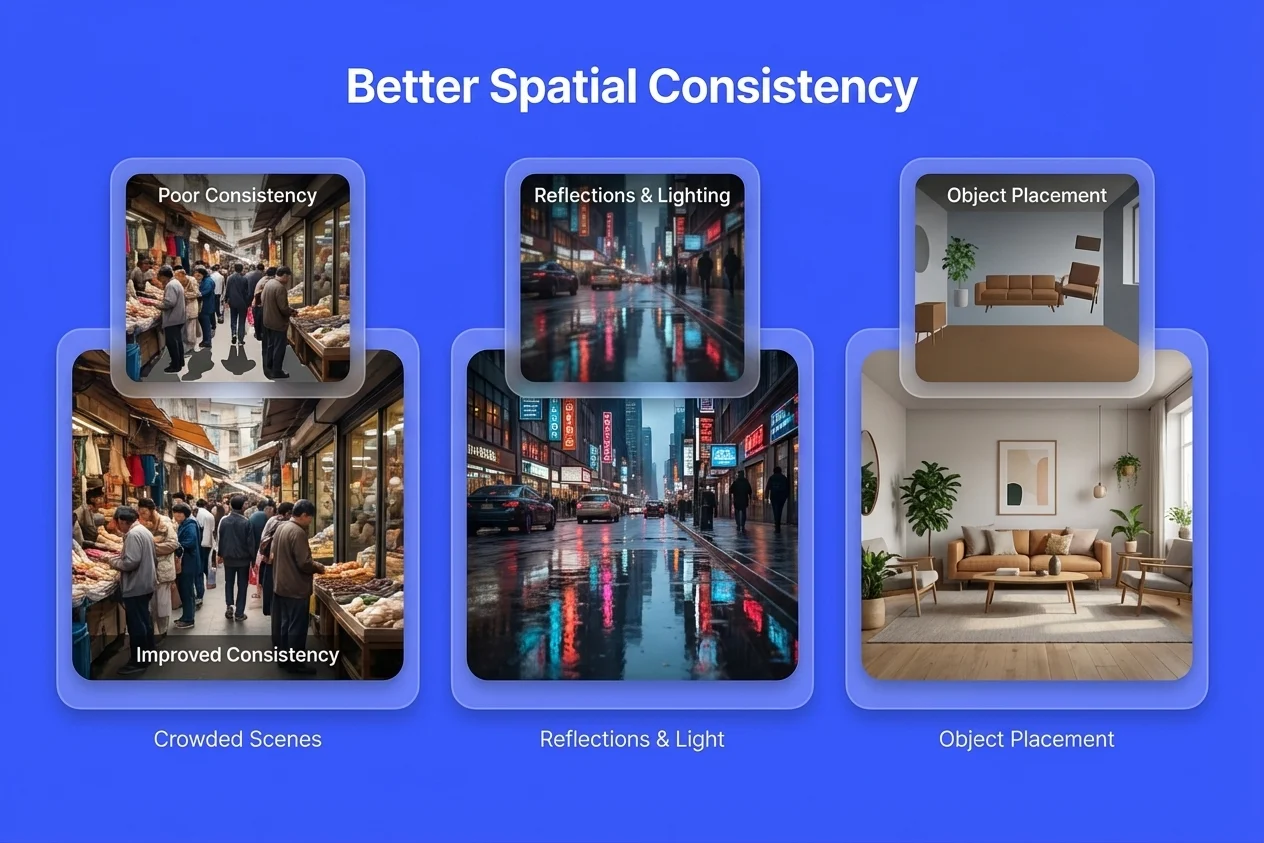
Better Spatial Consistency

Better Spatial Consistency

Crowded scenes, reflections, object placement, and subject relationships are more likely to stay believable, which reduces the usual AI giveaway moments.

Try For Free

How To Use Uni-1?

01

Go to the AI Image Generator

Enter the AI image generator workflow first. This is where you can start creating with Uni-1 in a simple, direct way.

02

Enter Your Prompt

Type the image you want in natural language. You can describe the subject, scene, mood, style, lighting, or composition, then use Uni-1 to turn that idea into a visual result.

03

Choose Settings and Generate

Select Uni-1, then adjust the parameters you need, such as image ratio, number of images, and other generation settings. After that, start the generation and refine the result if needed.

Frequently Asked Questions

You May Want to Know

What is Uni-1 mainly known for?

Uni-1 is mainly known for combining image generation with stronger visual reasoning. People often talk about its ability to keep scenes more plausible, follow direction more precisely, and make reference-based creation feel less fragile.

How is Uni-1 different from a typical image model?

A typical model may produce attractive images but still break on spatial logic, object relationships, or multi-step edits. Uni-1 is designed to reduce those weak points by paying more attention to scene understanding and consistency.

Where does Uni-1 perform best: image editing or from-scratch generation?

It can do both, but many creators will likely find its biggest strength in workflows that require more guided control. Uni-1 image editing, reference-led generation, and style transfer workflows are where its direction-following ability becomes especially useful.

Can Uni-1 handle multiple references well?

Yes. One of the more interesting parts of Uni-1 is how it blends cues from multiple reference images without collapsing into something messy. That makes it a strong option for identity-driven visuals, style studies, and controlled concept work.

Why do people say Uni-1 feels more intelligent?

That usually refers to how the model responds to intention rather than just keywords. When a prompt includes relationships, atmosphere, or compositional priorities, Uni-1 is more likely to preserve the logic behind the request instead of copying only the surface terms.

Is Uni-1 only useful for realistic images?

No. While realism and plausibility are important strengths, Uni-1 also performs well with stylized visuals, culture-aware aesthetics, manga-inspired outputs, and internet-native image language.

Who is Uni-1 most useful for?

It is especially useful for designers, marketers, visual storytellers, and creators who need dependable control. If your work depends on references, revisions, and consistent scene logic, Uni-1 is more relevant than a model built only for one-shot spectacle.

Should I treat Uni-1 as a replacement for every other image tool?

Not necessarily. The more grounded view is that Uni-1 expands what is possible in image generation, especially around reasoning and controllability. The best choice still depends on whether your priority is speed, art direction, editing stability, or a specific visual style.

Try Uni-1 on GoEnhance

Uni-1 matters because it pushes image generation closer to actual visual understanding. Instead of relying only on pretty outputs, it puts more weight on coherence, direction, and editability. If you want an image model that feels more deliberate and less random, Uni-1 is a name worth watching.

Explore Uni-1