Plus de 30 meilleurs prompts d'image ChatGPT pour les photos, l'art, les publicités et le design
- 1. Pourquoi les prompts d'image structurés pour ChatGPT fonctionnent mieux
- 2. Prompt faible par rapport au prompt prêt pour la production
- 3. Le cadre des prompts d'image pour ChatGPT
- 4. Comment écrire de meilleurs prompts d'image pour ChatGPT
- 4.1 Commencez par le type d'image
- 4.2 Décrivez le sujet et la pose
- 4.3 Construisez la scène autour du sujet
- 4.4 Dirigez la composition et le langage de la caméra
- 4.5 Contrôlez l'éclairage, la palette et la texture
- 4.6 Donnez des instructions précises pour le texte
- 4.7 Ajoutez des contraintes négatives utiles
- 5. Les 32 meilleurs prompts d'image pour ChatGPT
- 5.1 Adaptations de cas en vedette GPT Image 2
- 1. Portrait de lunettes de soleil ambre en couleur sélective
- 2. Portrait d'horreur gothique surréaliste
- 3. Portrait de mode dans une cour d'Asie du Sud
- 4. Selfie douillet de fin de soirée dans une chambre
- 5. Portrait de voyage au bord d'un ruisseau de montagne
- 6. Portrait de luxe émeraude et or
- 7. Recadrage plus serré d'un visage d'horreur divisé
- 8. Portrait de mode cinétique sur fond rouge
- 9. Gros plan de beauté fantastique à écailles de cristal
- 10. Portrait de luxe discret en bord de mer
- 11. Portrait cinématographique de lowrider classique
- 12. Diptyque vectoriel plat éditorial
- 13. Famille en voyage style webtoon coréen
- 14. Variation en studio avec lunettes de soleil ambre
- 5.2 Adaptations de cas publics supplémentaires GoEnhance
- 15. Composition urbaine à strict respect du prompt
- 16. Portrait médical professionnel
- 17. Scène d'action avec portail au néon
- 18. Scène matinale d'étang de lotus
- 19. Transformation de portrait restauré
- 20. Broderie et croquis au stylo à Bille
- 21. Modification de remplacement de personnage
- 22. Portrait de transmission émotionnelle
- 23. Forêt en mosaïque aux tons de pierres précieuses
- 24. Animal préhistorique réaliste
- 25. Modification de bijoux et de vêtements
- 26. Transformation de voiture et d'arrière-plan
- 27. Portrait de mariage minimaliste
- 28. Collage d'art IA éducatif
- 29. Figure colossale dans une rue de ville
- 30. Modification de portrait artistique
- 31. Portrait romantique à l'encre bleue
- 32. Portrait de photographie de mariage minimaliste
- 5.1 Adaptations de cas en vedette GPT Image 2
- 6. Catégories commerciales et comment les adapter
- 7. Modèles de prompts d'image réutilisables pour ChatGPT
- 8. FAQ sur les prompts d'image pour ChatGPT
- 9. Conclusion
Les meilleurs prompts d'image pour ChatGPT font bien plus que simplement nommer un sujet. Ils expliquent le style visuel, la composition, l'éclairage, les couleurs, les matériaux, le texte et les détails qui doivent rester cohérents. Cette structure aide à transformer une idée vague en une image plus facile à utiliser pour une photo de profil, une campagne de produits, une affiche, une illustration éditoriale ou une publication sur les réseaux sociaux.
Ce guide rassemble 32 prompts d'image prêts à l'emploi pour ChatGPT couvrant les portraits, la mode, les voyages, les produits, les affiches, les illustrations et les expériences créatives. Les 14 premiers sont adaptés de cas présentés non concurrentiels sur la page des prompts GPT Image 2 (/prompts/gpt-image-2-prompts). Les 18 autres utilisent des images de cas publics supplémentaires provenant de la bibliothèque de prompts d'image GoEnhance. Chaque entrée comprend une image de cas correspondante ; le prompt situé sous chaque image est une adaptation pratique, et non une affirmation selon laquelle il s'agit de la formulation exacte de la page source.
Pour une inspiration plus large, parcourez la bibliothèque générale de prompts d'image et adaptez la structure à votre sujet, à votre public et à votre format de sortie.
1. Pourquoi les prompts d'image structurés pour ChatGPT fonctionnent mieux
« Créer un beau portrait de mode » donne une idée à ChatGPT, mais laisse la plupart des décisions visuelles ouvertes. Le modèle doit encore deviner la pose du sujet, ses vêtements, l'arrière-plan, la distance de la caméra, la direction de la lumière, la palette de couleurs et le format de l'image. C'est pourquoi une simple requête peut produire une image attrayante qui ne correspond pas à un véritable cahier des charges de conception.
Un prompt d'image utile fonctionne comme une note de direction artistique compacte. Il indique au modèle ce qu'il doit privilégier et ce qu'il doit éviter. Vous n'avez pas besoin de décrire chaque détail possible, mais vous devez définir la hiérarchie visuelle : le sujet principal en premier, l'environnement en second et les détails de finition en dernier.
2. Prompt faible par rapport au prompt prêt pour la production
Prompt faible
Create a stylish woman in a beautiful garden.
Prompt prêt pour la production
Create a photorealistic editorial portrait of a young woman standing in a curated garden at late afternoon. She wears a cream linen dress, small gold earrings, and natural makeup. Frame her from the waist up at eye level, with flowering branches creating a soft foreground frame. Use warm directional sunlight, gentle shadows, muted sage and peach tones, shallow depth of field, realistic skin texture, natural hands, and an 85mm portrait lens. Leave clean negative space in the upper-right corner for a headline. Vertical 4:5 composition, no watermark, no extra text, no distorted features.
Le second prompt fournit au modèle un sujet, un décor, une composition, un plan d'éclairage, une exigence d'utilisation et des contraintes négatives. Il est plus facile à générer, à examiner et à réviser.
3. Le cadre des prompts d'image pour ChatGPT
Utilisez cette structure comme point de départ :
[style/type], [subject], [action or pose], [scene], [composition], [lighting], [color and texture], [text instructions], [aspect ratio/use], [negative constraints]
Un prompt de produit peut commencer par le matériau et l'angle de la caméra, tandis qu'un prompt de portrait peut commencer par l'identité et l'expression du sujet. L'ordre peut changer, mais le prompt doit répondre à ces questions :
- Quel est le sujet principal ?
- Que le spectateur doit-il remarquer en premier ?
- Où se trouve le sujet et comment le cadre est-il composé ?
- Quelle lumière, quelles couleurs et quelles textures définissent l'image ?
- Quel texte, quel format ou quel espace de conception est requis ?
- Qu'est-ce que le modèle doit éviter de modifier ou d'inventer ?
4. Comment écrire de meilleurs prompts d'image pour ChatGPT
4.1 Commencez par le type d'image
Utilisez un type clair tel qu'un portrait photoréaliste, une publicité de produit, une illustration éditoriale, une affiche de voyage, un diptyque vectoriel plat, un art de livre de contes à l'aquarelle, une image fixe de film ou un graphique de marque minimaliste. Le type définit l'attente visuelle avant d'ajouter des détails.
4.2 Décrivez le sujet et la pose
Précisez l'apparence, l'expression, les vêtements, les accessoires et la position du sujet dans le cadre. Si l'image est basée sur une référence, indiquez que l'identité, les traits du visage, la coiffure et les proportions doivent rester cohérents. Pour les produits, décrivez la forme, le matériau, la finition et l'emplacement de l'étiquette.
4.3 Construisez la scène autour du sujet
Une scène devient plus facile à générer lorsqu'elle comprend un emplacement, un moment de la journée, des éléments d'arrière-plan et des indices de profondeur. « Un balcon au-dessus d'un littoral » est plus utile que « un beau fond ». Ajoutez une rambarde en verre, un arbre en pot, un horizon océanique ou une texture architecturale lorsque ces détails soutiennent le concept.
4.4 Dirigez la composition et le langage de la caméra
Utilisez des termes tels que gros plan extrême, portrait à mi-corps, composition en pied, symétrie centrée, vue aux trois quarts, plan à plat zénithal, contre-plongée, faible profondeur de champ, lignes directrices et espace négatif. N'ajoutez un objectif ou un style photographique que s'il améliore le rendu souhaité.
4.5 Contrôlez l'éclairage, la palette et la texture
L'éclairage crée une ambiance et distingue une image d'une autre. Essayez une lumière douce de fenêtre, un soleil de midi rigoureux, un contre-jour d'heure dorée, un éclairage low-key ténébreux, une lumière de contour en néon ou une lumière diffuse par temps couvert. Ajoutez ensuite une palette de couleurs limitée et une texture physique telle que le grain de film, du verre mouillé, des fibres de papier, un tissage de tissu, des reflets métalliques ou un pigment d'aquarelle.
4.6 Donnez des instructions précises pour le texte
Si l'image nécessite un titre, écrivez le texte exact entre guillemets et spécifiez son emplacement, sa taille, son poids et son contraste. Si la précision du texte n'est pas essentielle, demandez un espace négatif propre et ajoutez la typographie plus tard dans un outil de conception. Cela vous donne souvent plus de contrôle sur la mise en page finale.
Pour une publication accessible, associez un contenu d'image important à un texte alternatif utile et gardez le texte à l'intérieur d'une image court. Consultez le tutoriel sur les images du W3C et les recommandations de Google en matière de référencement d'images pour obtenir des conseils généraux sur la publication Web.
4.7 Ajoutez des contraintes négatives utiles
Les contraintes négatives doivent cibler les échecs probables : pas de filigrane, pas de doigts supplémentaires, pas d'objets en double, pas de texte déformé, pas de peau en plastique, pas de logos aléatoires, pas de sujet rogné, pas d'arrière-plan encombré et pas de modification de la forme du produit fourni. Gardez la liste pertinente au lieu d'ajouter tous les avertissements possibles.
5. Les 32 meilleurs prompts d'image pour ChatGPT
Chaque exemple comprend un cas d'utilisation pratique, une image de cas public correspondante et un prompt prêt à l'emploi. Remplacez les champs entre crochets ou adaptez la scène à votre propre marque, public et format.
5.1 Adaptations de cas en vedette GPT Image 2
1. Portrait de lunettes de soleil ambre en couleur sélective
Cas d'utilisation : lunettes de luxe, éditorial de mode et imagerie de profil.
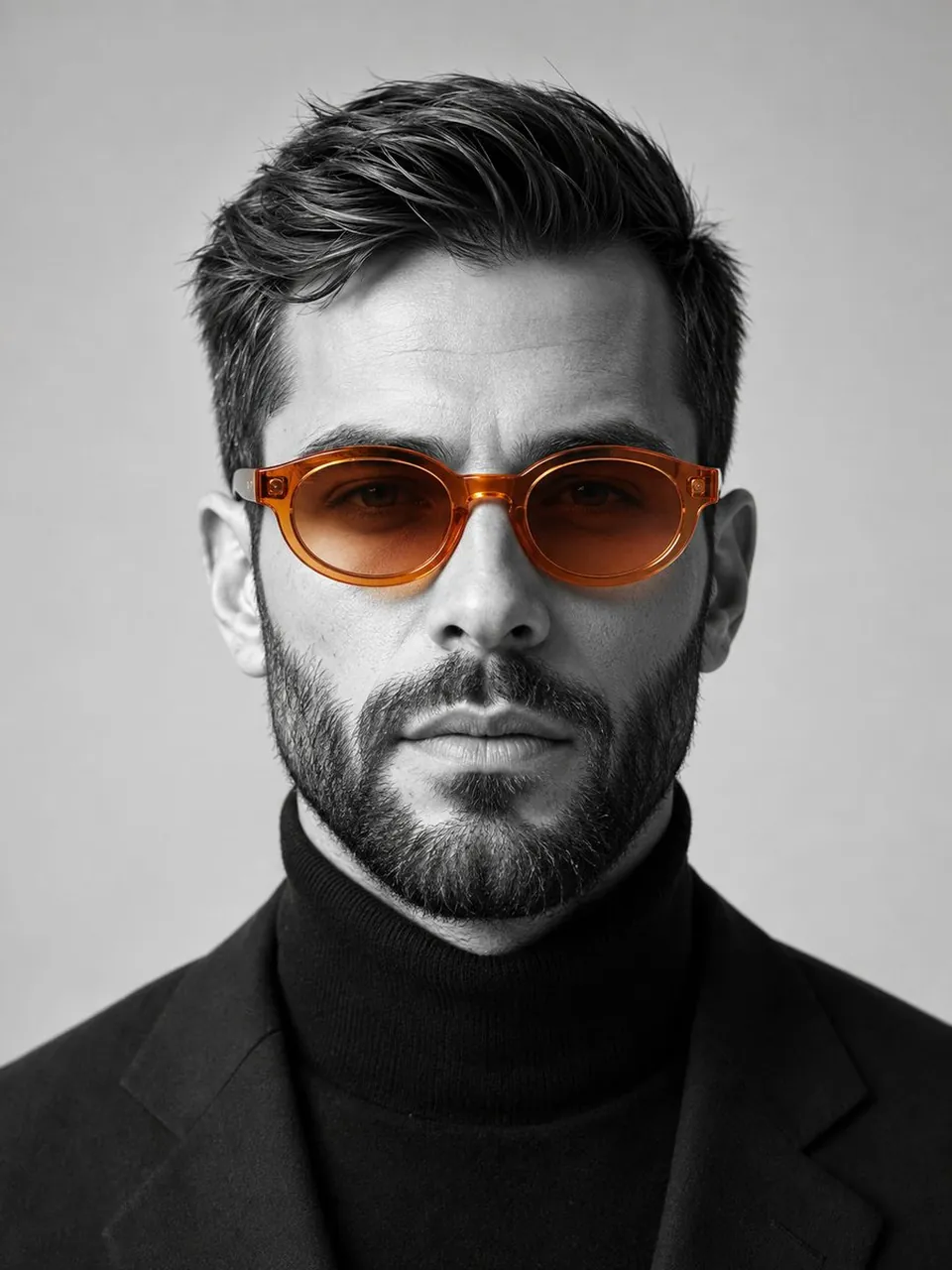
Create a striking studio portrait of a confident man facing the camera, wearing translucent amber-orange oval sunglasses with ice-gradient lenses. Render the portrait mostly in black and white while keeping only the sunglasses in vivid orange. Dress him in a black turtleneck against a minimalist light-grey background. Use an 85mm lens, f/2, soft directional studio lighting, realistic skin texture, crisp eyewear reflections, centered head-and-shoulders framing, editorial luxury mood, vertical 4:5 composition, no logo, no watermark, no extra text.
2. Portrait d'horreur gothique surréaliste
Cas d'utilisation : pochettes d'album, couvertures de fiction d'horreur et campagnes éditoriales sombres.
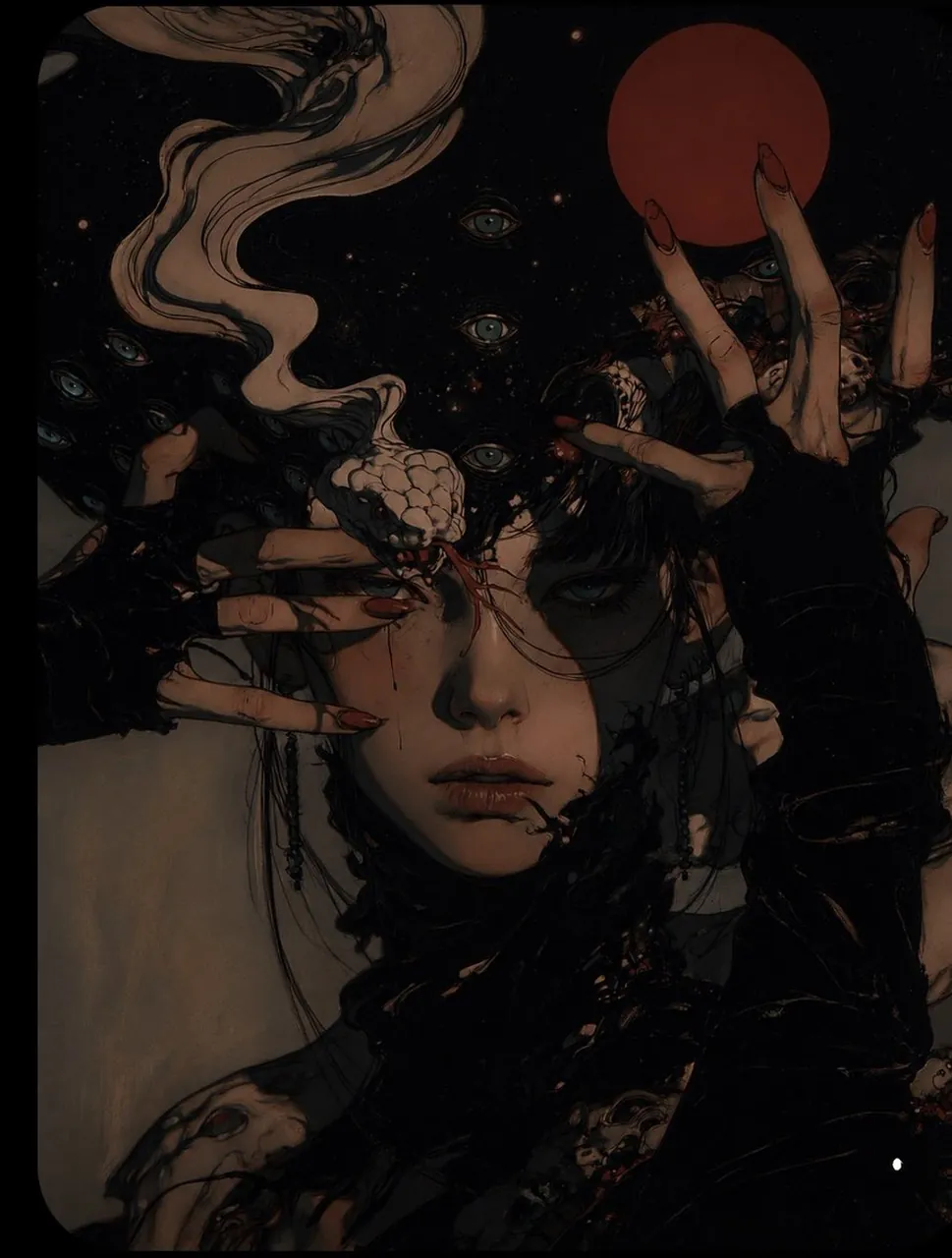
Create a cinematic surreal portrait of a pale young woman standing in a cosmic void. Surround her with elegant pale hands tipped with long crimson nails and a pale serpentine creature curling through the background. Add a glowing turquoise-eyed atmosphere and a deep red moon behind her. Use dark charcoal, dusty beige, muted teal, faded blue, and deep crimson, with low-key lighting, controlled negative space, realistic anatomy, dramatic 4:5 vertical framing, and no gore, logos, watermark, or random text.
3. Portrait de mode dans une cour d'Asie du Sud
Cas d'utilisation : mode traditionnelle, narration culturelle et campagnes de style de vie.
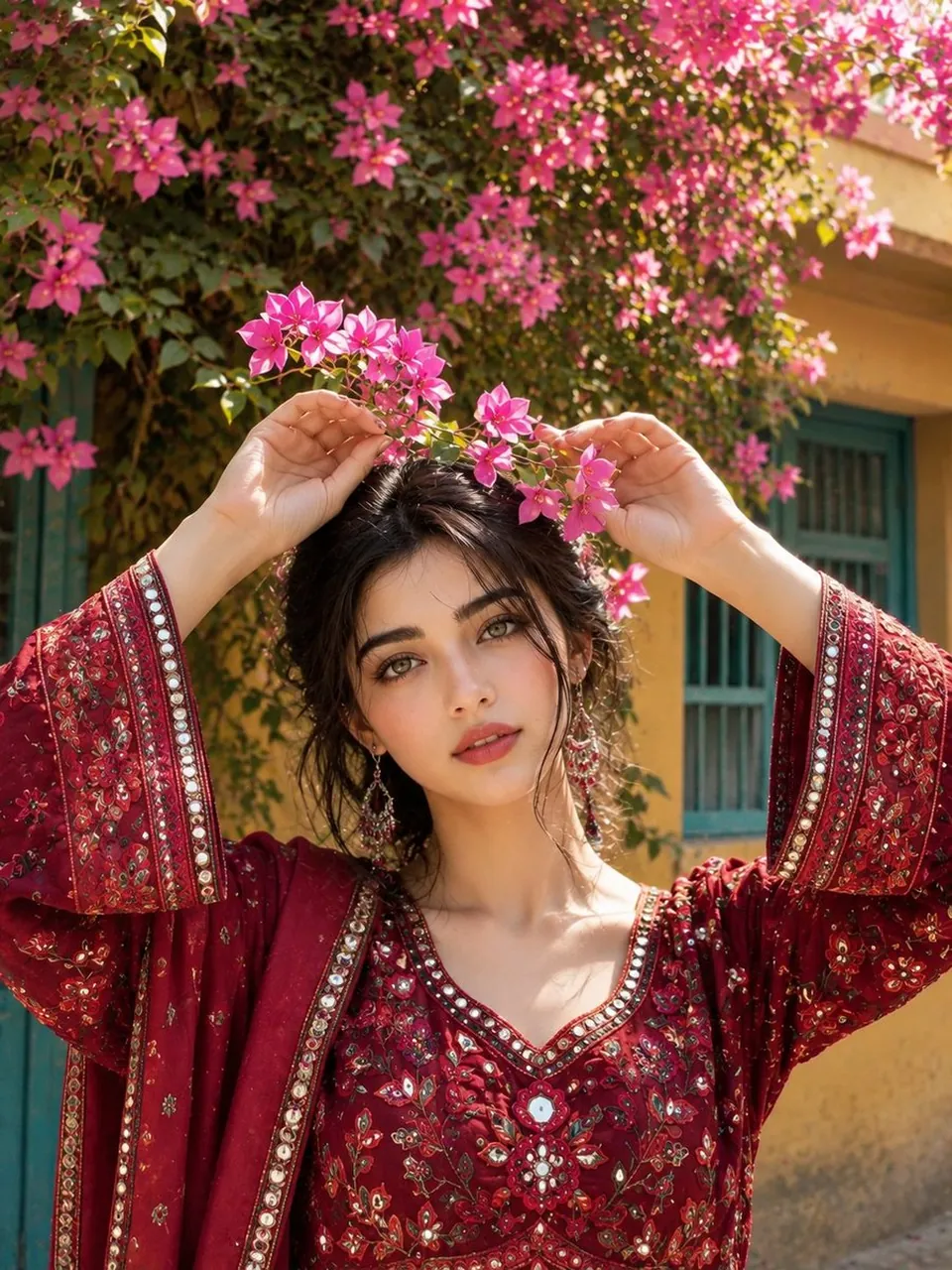
Create a photorealistic portrait of a stylish South Asian woman standing in a traditional courtyard filled with bougainvillea. She wears a deep-crimson embroidered outfit, with a flowering branch framing the top of the image. Include warm yellow walls, turquoise doors, textured stone, and soft natural daylight. Use an 85mm portrait lens, f/2, waist-up composition, realistic hands and anatomy, rich textile detail, gentle shadows, warm editorial color grading, vertical 3:4, no modern logos, no watermark, no extra text.
4. Selfie douillet de fin de soirée dans une chambre
Cas d'utilisation : créateurs de jeux vidéo, blogs de style de vie et contenu de profil social.
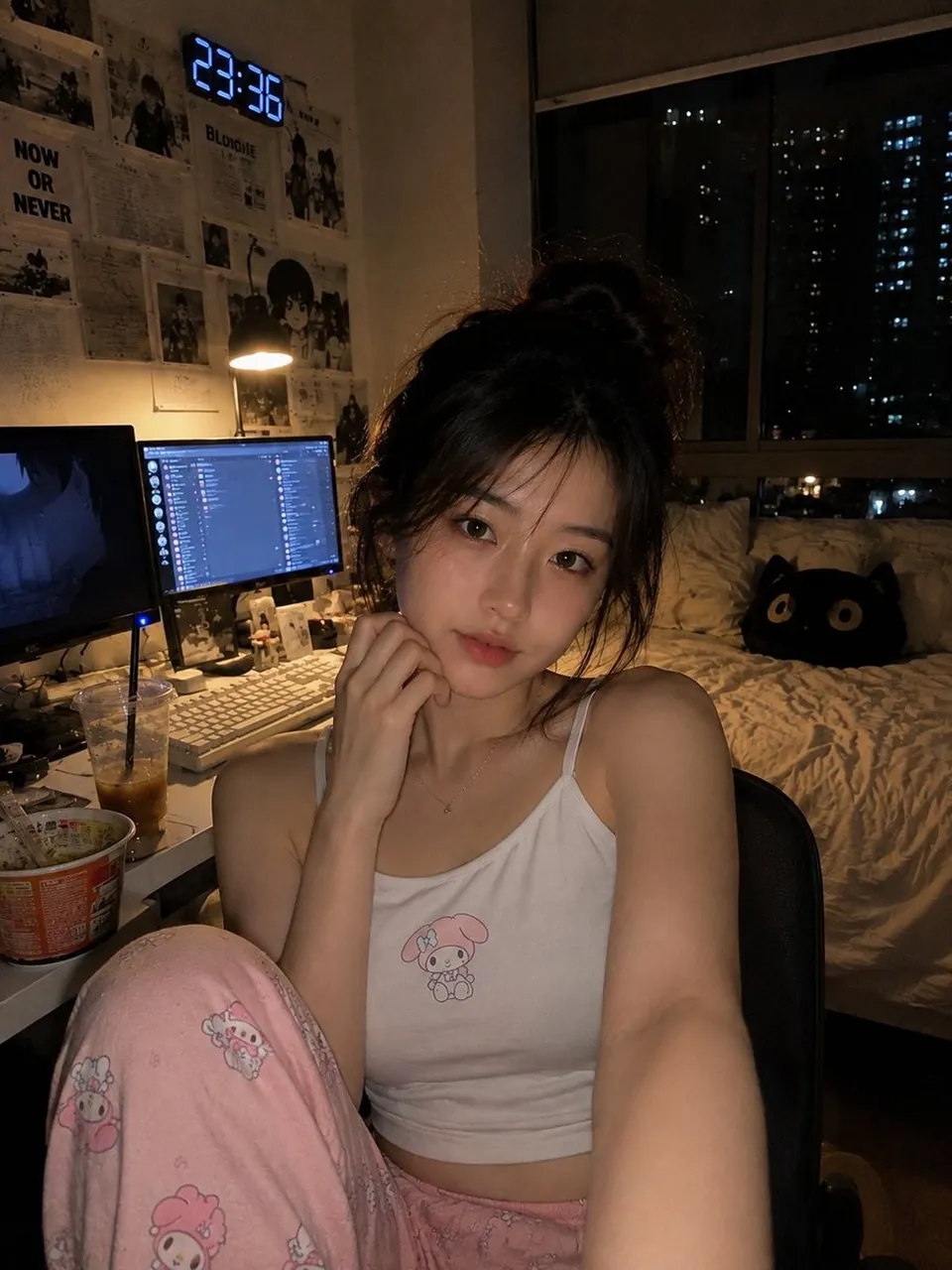
Create a photorealistic vertical late-night bedroom selfie of a young East Asian woman relaxing in a desk chair beside a gaming and study setup. She wears a white camisole with a small cute graphic and soft pink pajama pants. Include dual monitors, a warm desk lamp, an iced coffee, instant noodles, a bed, a cat pillow, monochrome posters, and a city window at night. Use monitor glow and warm ambient light, natural skin texture, handheld smartphone framing, lived-in details, subtle grain, realistic proportions, 4:5 vertical, no readable random text or watermark.
5. Portrait de voyage au bord d'un ruisseau de montagne
Cas d'utilisation : photographie de voyage, marques de plein air et campagnes sociales estivales.
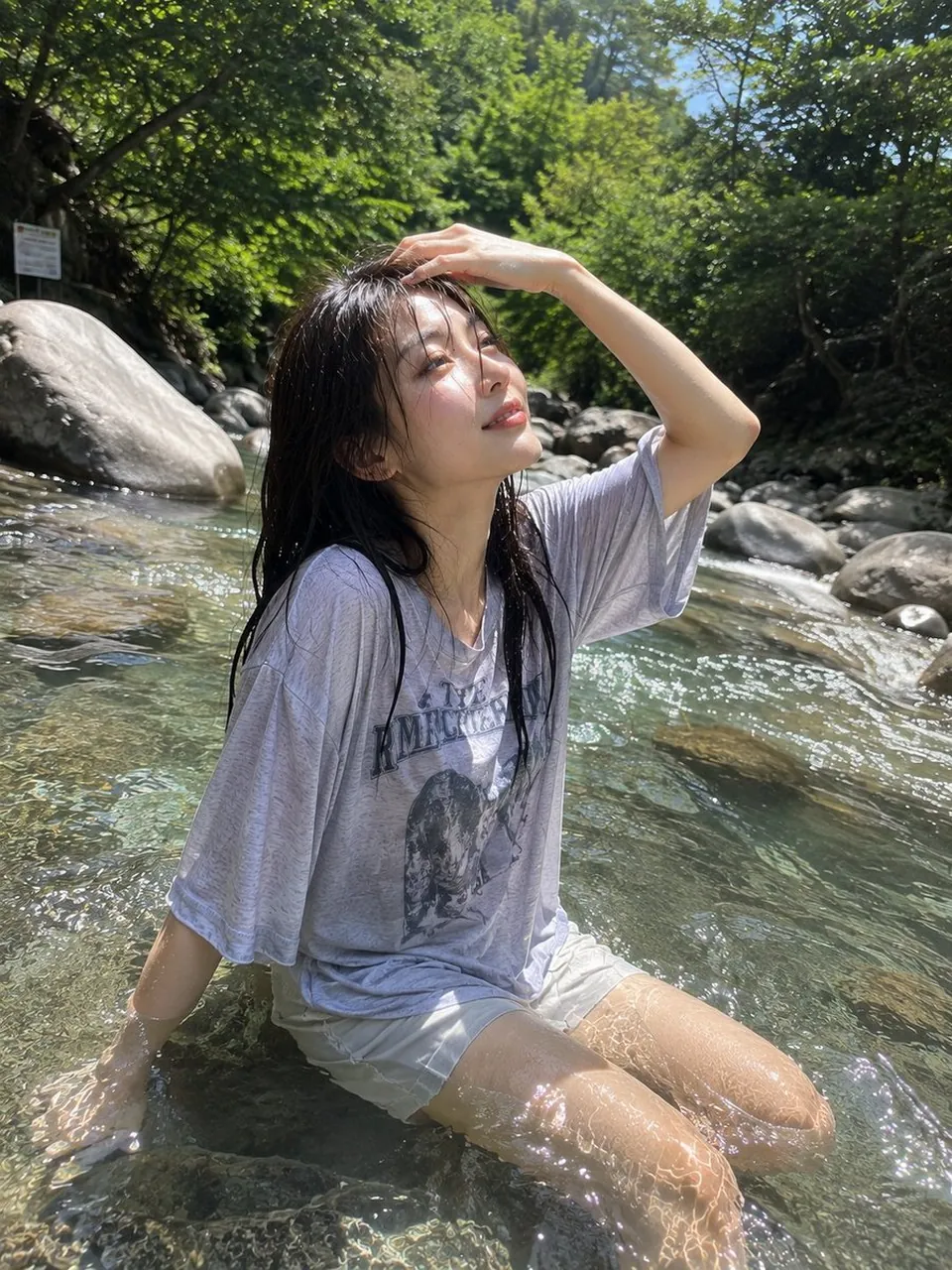
Create an authentic smartphone travel photograph of a young East Asian woman sitting in a clear shallow mountain stream on a bright summer day. Her dark hair is naturally wet, and she wears a loose light-grey sweatshirt with casual shorts. Show transparent water, realistic ripples, smooth rocks, lush forest vegetation, sparkling droplets, and dappled sunlight across her face. Use a slightly low camera angle close to the water surface, natural wide-angle perspective, vibrant but realistic greens and blues, peaceful mood, vertical 4:5, no studio lighting, no plastic skin, no watermark.
6. Portrait de luxe émeraude et or
Cas d'utilisation : image de marque personnelle haut de gamme, mode masculine et couvertures de magazines.
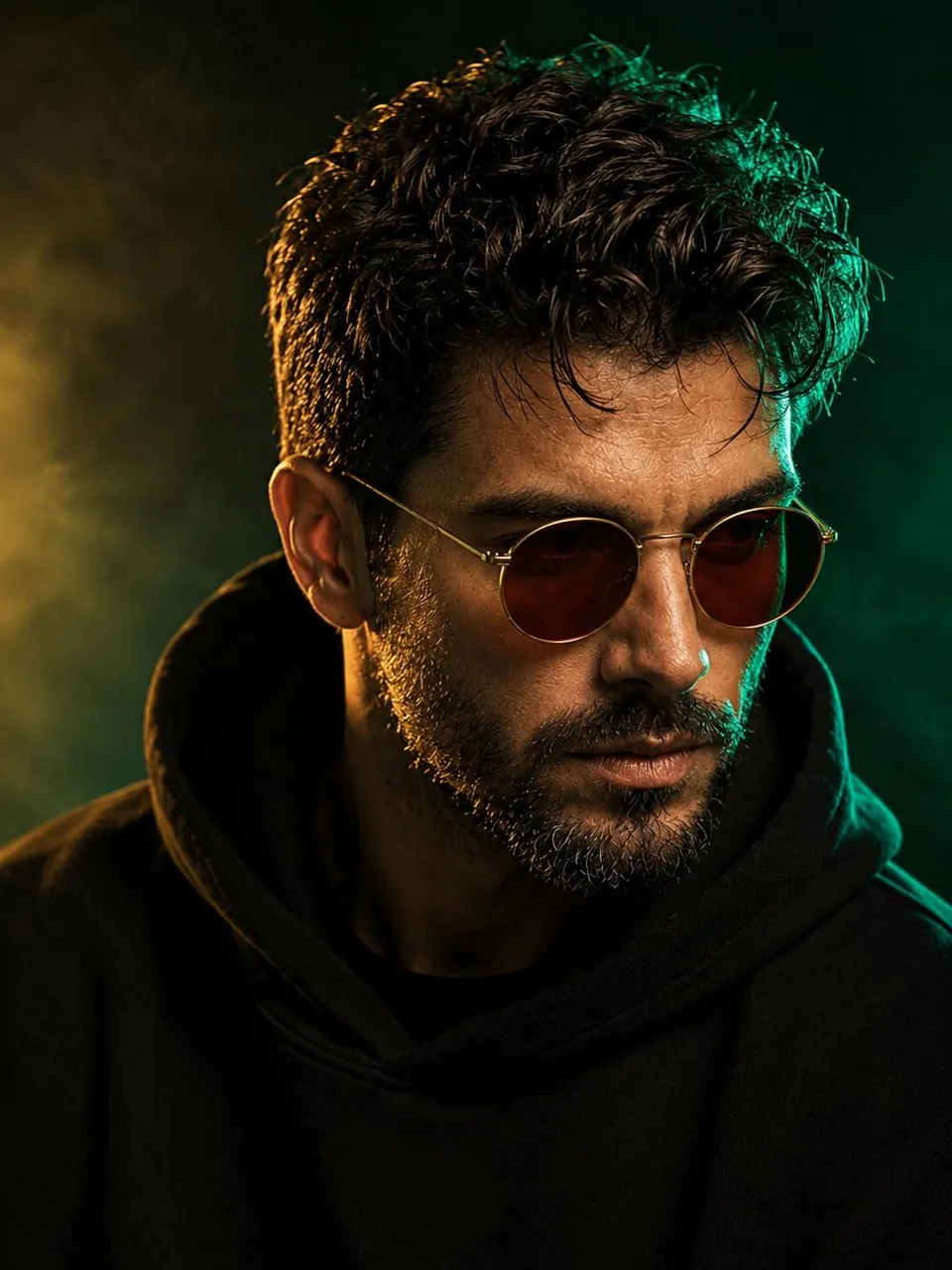
Create a cinematic close-up portrait of a stylish middle-aged man with thick naturally curly dark hair and a neatly trimmed salt-and-pepper beard. He wears round amber-brown sunglasses and a black oversized hoodie. Add a rich emerald rim light on the right side of his face and a soft warm-gold key light from the front. Use a smoky emerald-to-black studio background, realistic beard hairs, natural facial imperfections, shallow depth of field, 85mm lens, f/1.8, centered 3:4 composition, no logo, no watermark, no extra text.
7. Recadrage plus serré d'un visage d'horreur divisé
Cas d'utilisation : affiches de films d'horreur, art conceptuel de jeux et miniatures dramatiques.
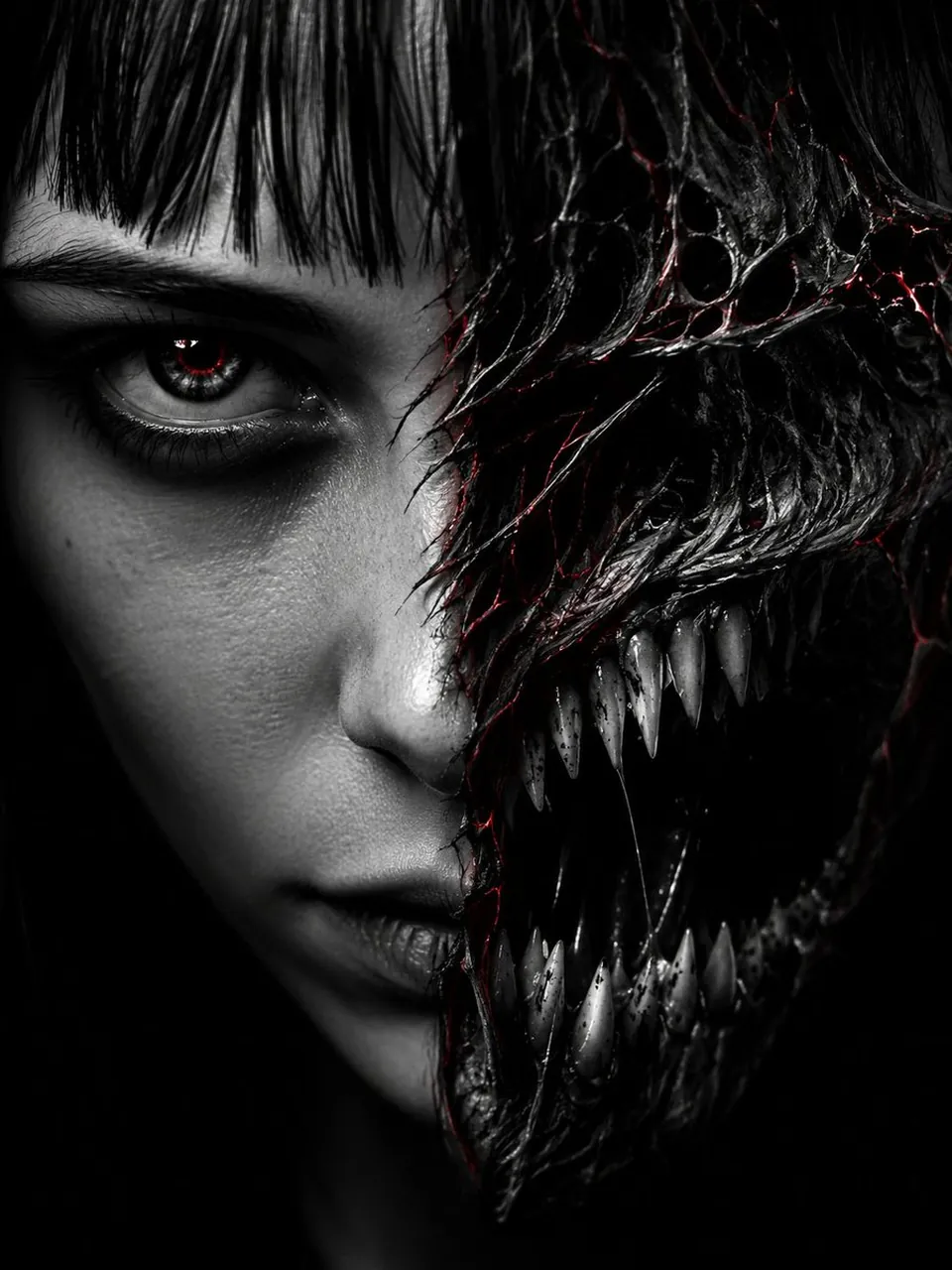
Create an extreme close-up split-face horror portrait cropped from the hairline to the chin. The left half is a pale human face with blunt bangs and a sharp dark eye; the right half transforms into a monstrous jaw with jagged teeth and a black void mouth. Add fine red glowing cracks along the transformation seam and one blood-red catchlight. Use a pure black background, high-contrast single-source rim lighting, hyper-detailed skin and teeth, direct eye contact, 9:16 vertical composition, no gore splashes, no watermark, no random text.
8. Portrait de mode cinétique sur fond rouge
Cas d'utilisation : campagnes de streetwear, mode expérimentale et affiches inspirées du mouvement.
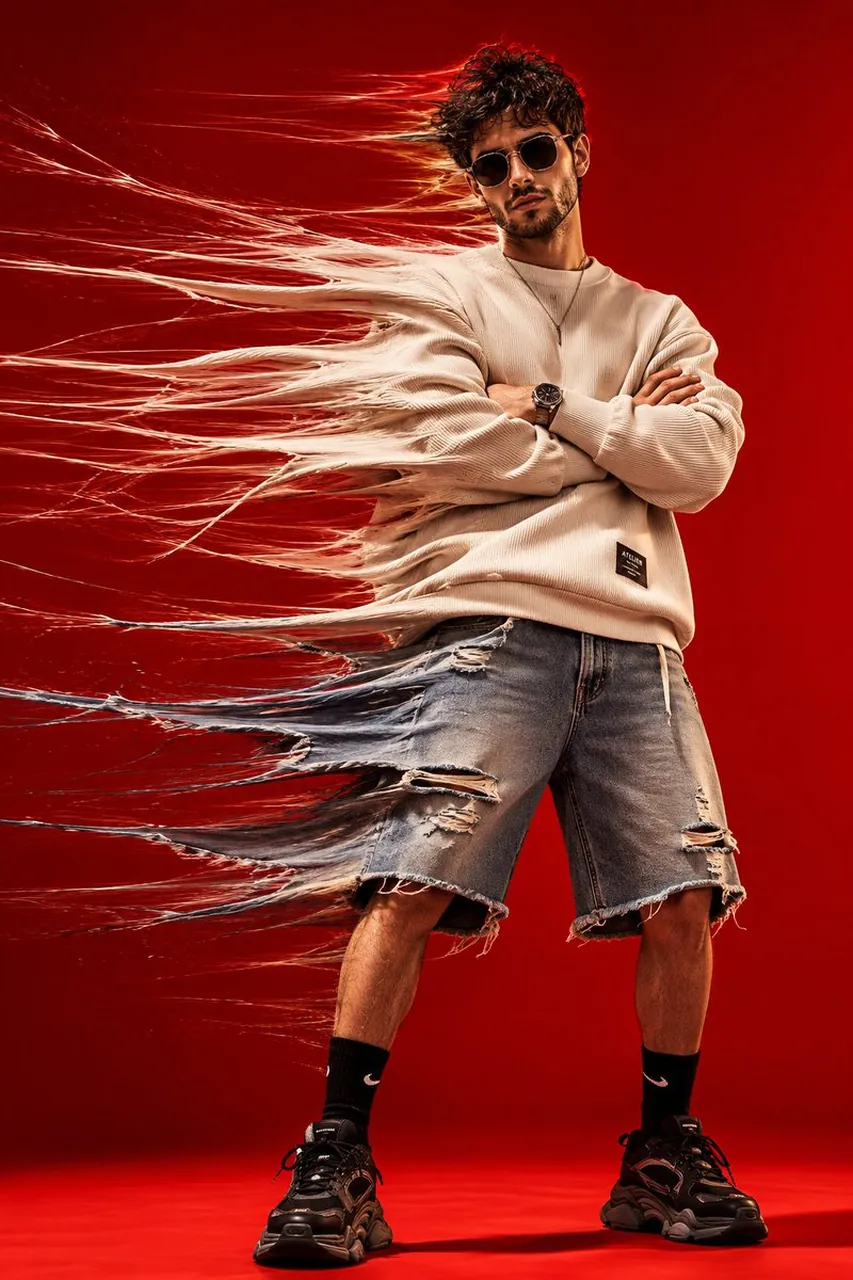
Create a photorealistic full-body fashion portrait of a stylish young man standing against a seamless vivid-red studio background. He wears an oversized cream ribbed sweatshirt, distressed denim shorts, black socks, chunky sneakers, a simple necklace, and dark futuristic sunglasses. Stretch the left side of his clothing into translucent textile fibers and motion trails while keeping his face, crossed arms, legs, and shoes sharp. Use strong studio light, realistic fabric texture, dramatic shadows, 35mm fashion photography, analog grain, vertical 4:5, no distorted anatomy, no logos, no extra text.
9. Gros plan de beauté fantastique à écailles de cristal
Cas d'utilisation : campagnes de beauté, portraits fantastiques et art de profil social.
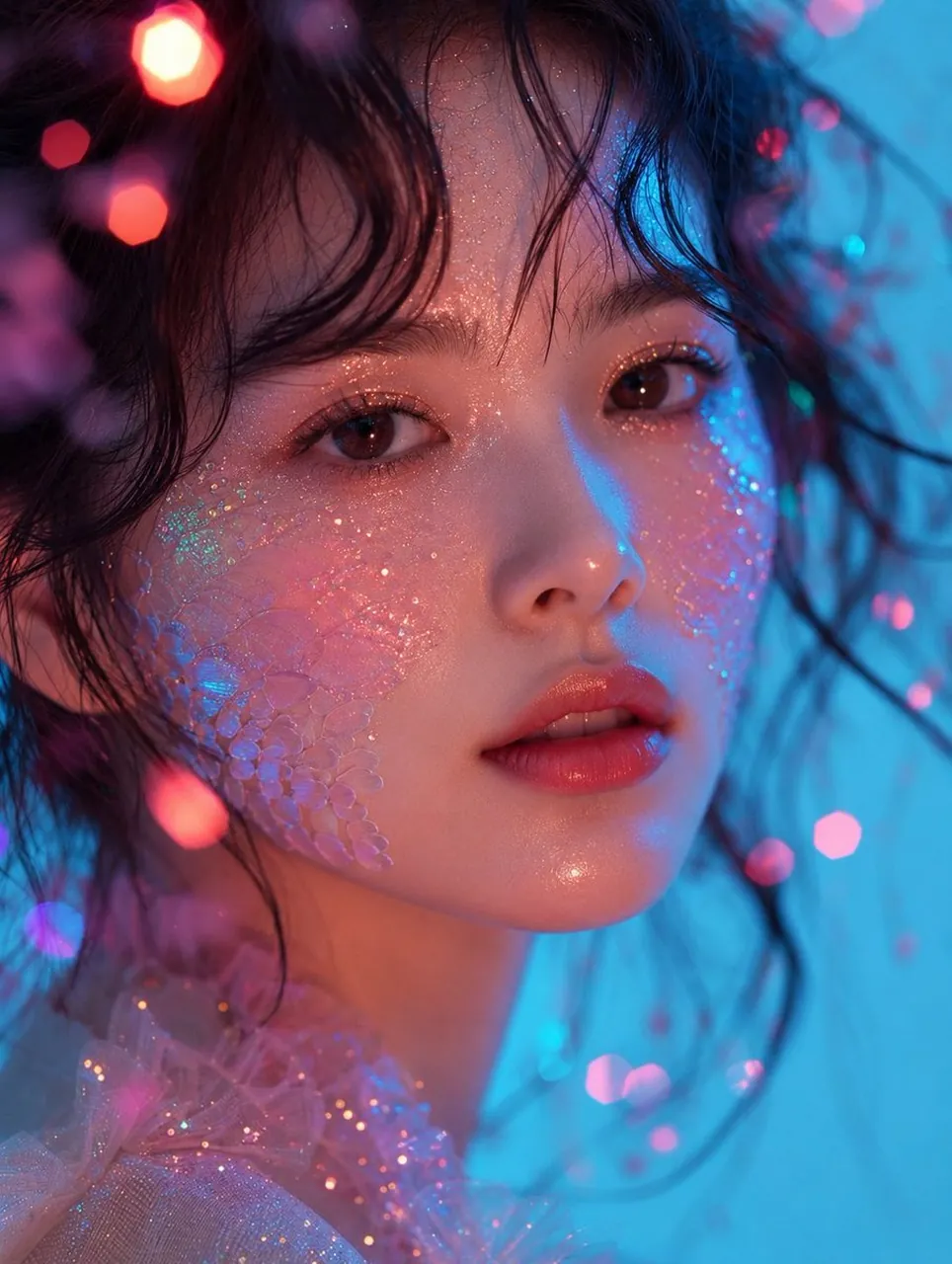
Create an ultra-realistic extreme close-up beauty portrait of a young East Asian woman with luminous skin, warm brown eyes, coral-pink lips, loose black waves, and dewy makeup. Blend translucent iridescent crystal-scale texture naturally into both cheeks, with fine holographic glitter across the face. Use cyan-blue key light from the right, warm pink fill from the left, pastel bokeh, volumetric glow, sparkling particles, translucent pink tulle, realistic pores, 85mm macro lens, f/1.4, editorial luxury mood, no text, no watermark.
10. Portrait de luxe discret en bord de mer
Cas d'utilisation : mode de villégiature, magazines de voyage et campagnes de style de vie.
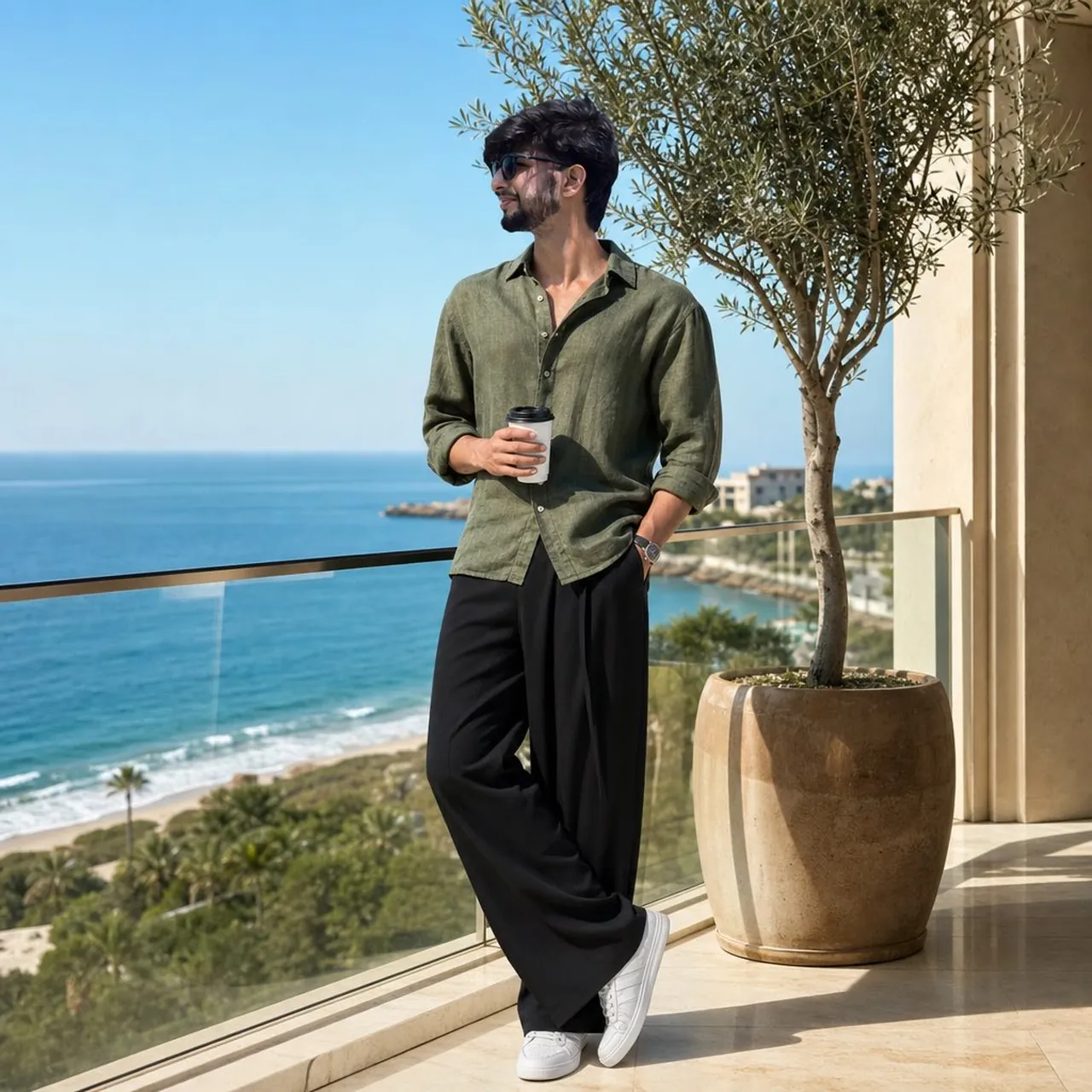
Create an ultra-realistic full-body fashion portrait of a young man on a modern oceanfront balcony in bright morning sunlight. He wears an olive-green linen shirt, oversized black trousers, white minimalist sneakers, and black sunglasses. One hand holds a takeaway coffee while the other rests in his pocket. Include cream architecture, polished marble, a glass railing, a potted olive tree, deep-blue ocean, sandy beach, and clear sky. Use relaxed quiet-luxury styling, natural shadows, 85mm lens, f/2.8, realistic reflections, vertical 4:5, no logo or watermark.
11. Portrait cinématographique de lowrider classique
Cas d'utilisation : culture automobile, pochettes de disques et image de marque streetwear.
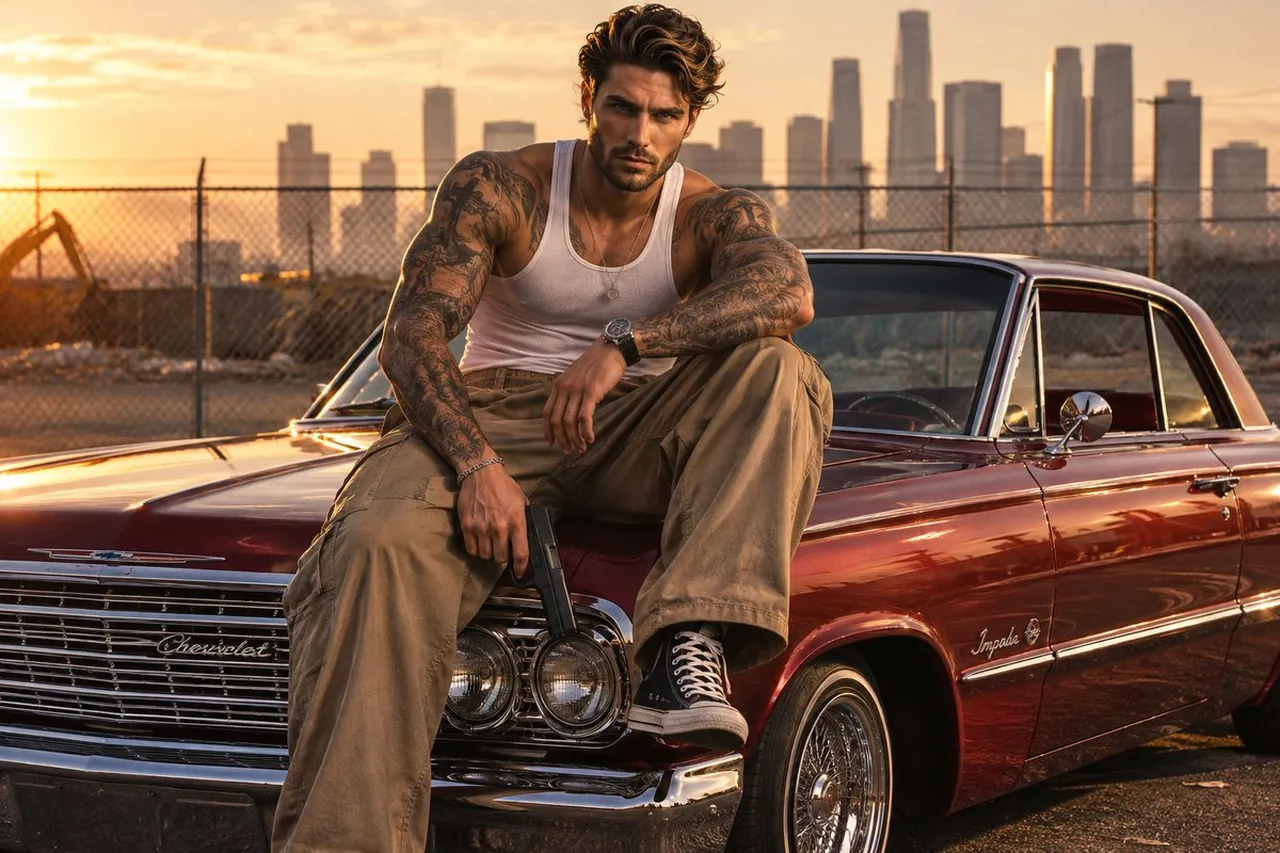
Create a cinematic golden-hour portrait of a tattooed man seated on the hood of a cherry-red 1960s lowrider. Show a white ribbed tank top, tan cargo pants, detailed tattoos, gleaming chrome, reflective candy paint, a dusty asphalt lot, a chain-link fence, and a hazy downtown skyline. Use strong leading lines from the car and fence, shallow depth of field, warm directional light, natural shadows, rich 35mm film grain, realistic skin and fabric, balanced composition, no weapons, no random logos, no extra text.
12. Diptyque vectoriel plat éditorial
Cas d'utilisation : couvertures de magazines, profils créatifs et systèmes d'identité de marque.
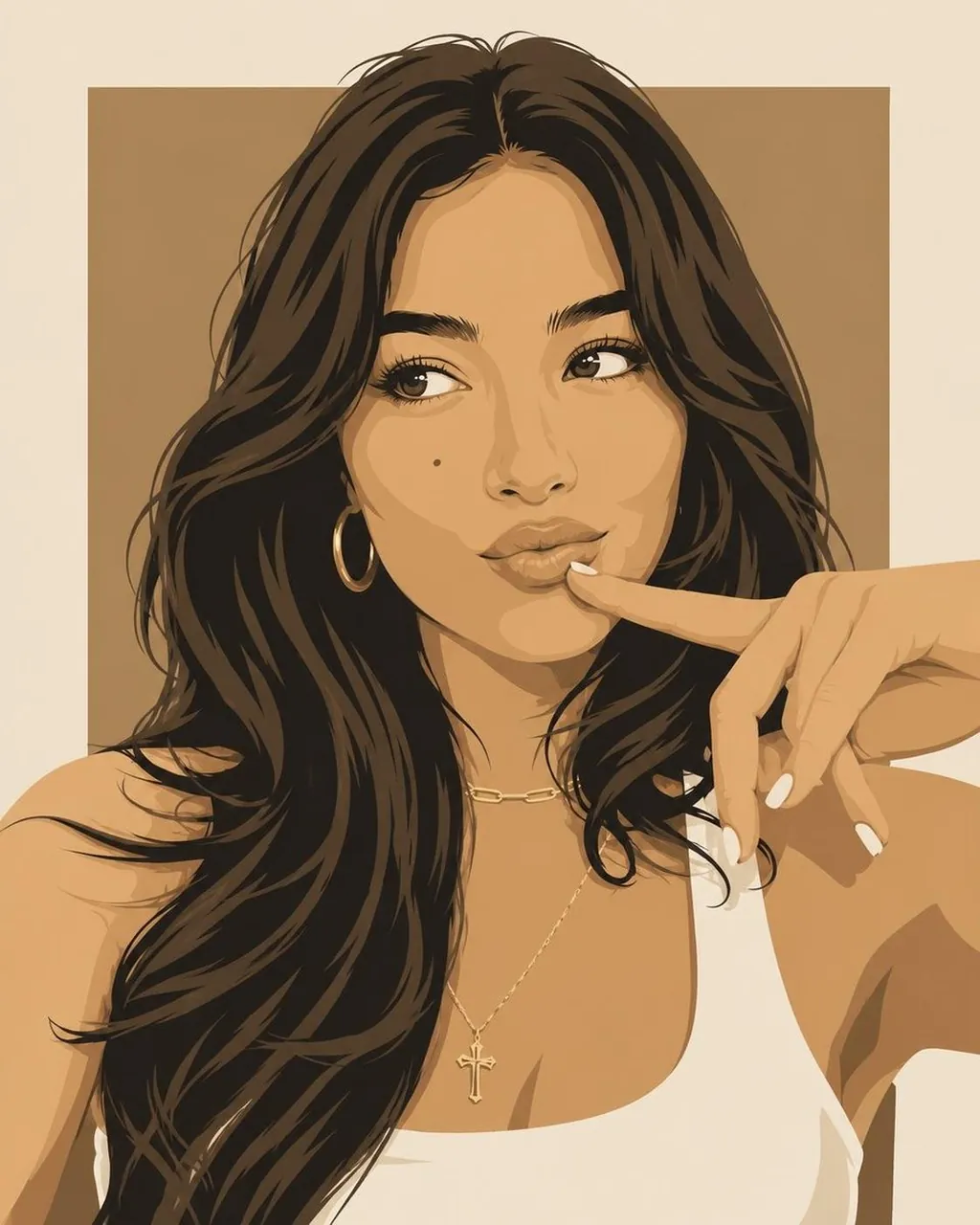
Create a cohesive diptych-style editorial illustration with two close-up portraits in the same modern flat-vector fashion aesthetic. Give the woman flowing dark hair, gold hoops, layered necklaces, and a white sleeveless top; give the man textured platinum-blond hair and an oversized white crew-neck shirt. Use geometric facial planes, crisp linework, subtle tonal shading, a warm tan panel behind the woman, a bold red panel behind the man, and a shared ivory canvas. Luxury magazine style, clean color blocking, vertical 4:5, no photorealism, no 3D rendering, no text, no logos.
13. Famille en voyage style webtoon coréen
Cas d'utilisation : tourisme, voyage en famille et cartes postales illustrées.
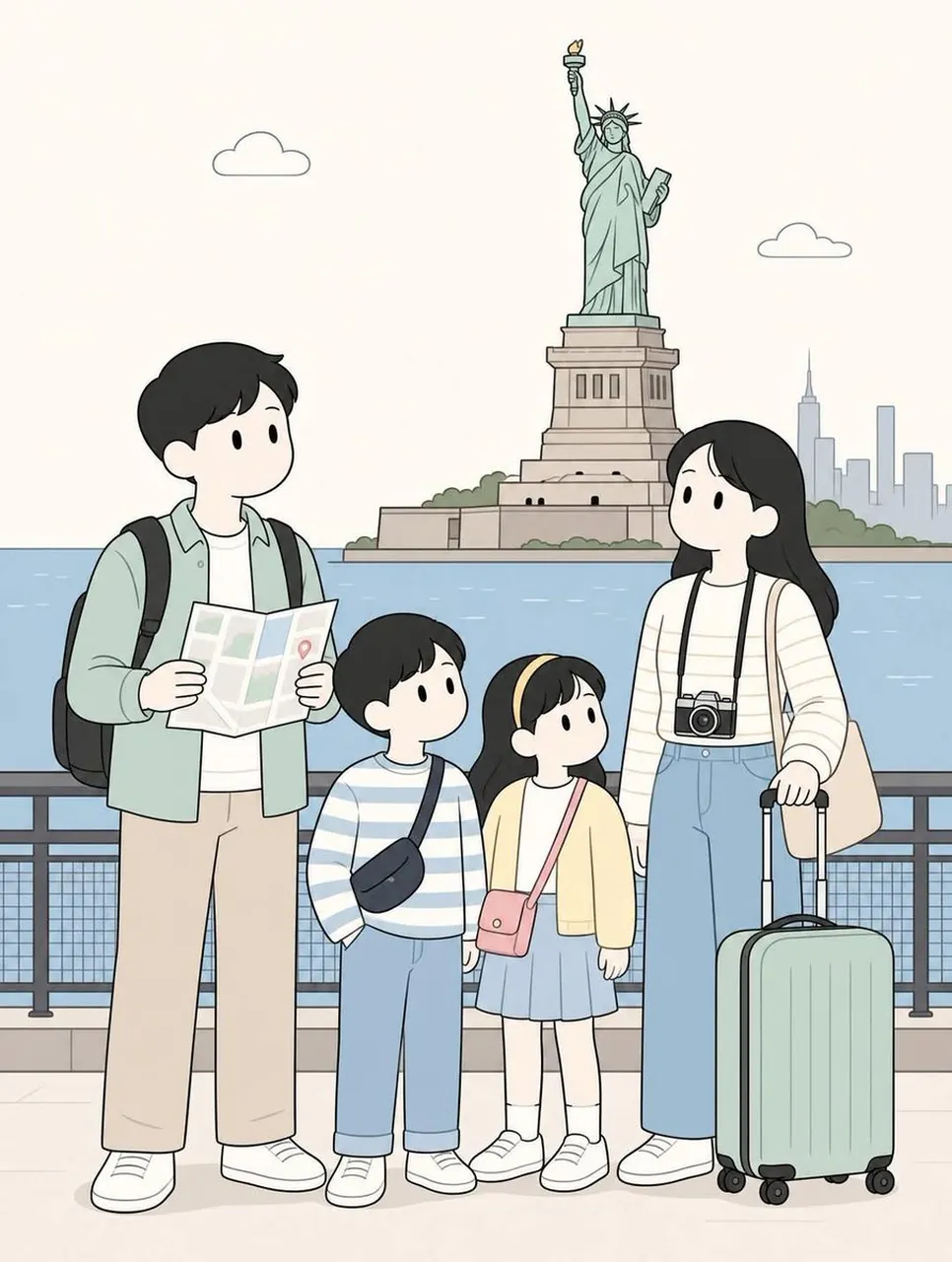
Create a soft minimalist Korean webtoon illustration of a traveling family of two parents and two children exploring [BACKGROUND]. Use cute simplified faces, thin clean line art, muted beige, sage green, dusty blue, cream, and light pink, rounded proportions, flat shading, and a cozy travel-journal mood. The father carries a backpack and folded map; the mother carries a camera or shoulder bag. Use full-body vertical 4:5 composition, family in the foreground, open space around them, balanced landmarks, optional location title at the top, no clutter, no random text.
14. Variation en studio avec lunettes de soleil ambre
Cas d'utilisation : narration de produits de lunetterie et concepts de campagnes monochromes.
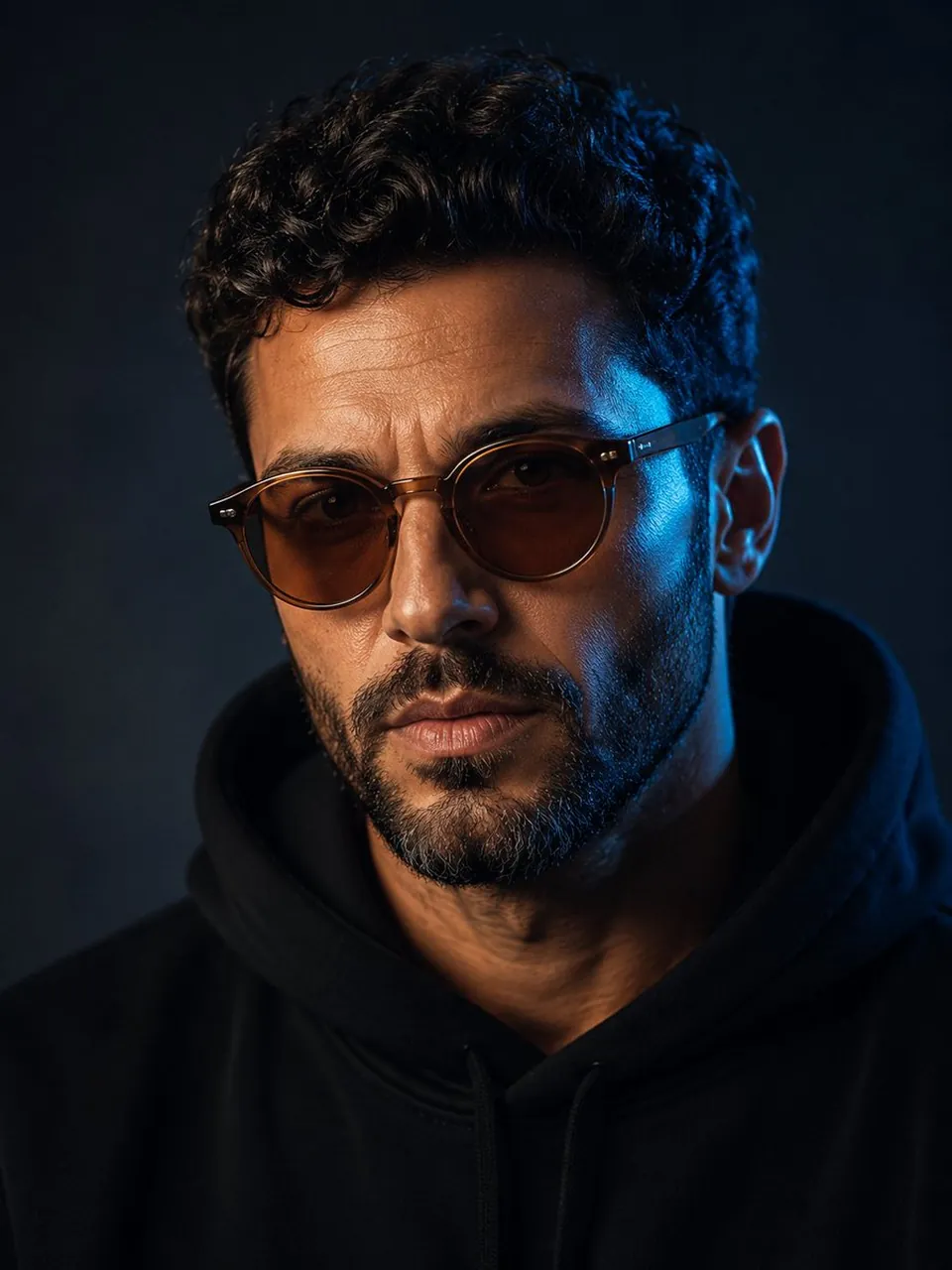
Create a refined head-and-shoulders studio portrait of a mature man with curly dark hair and a short salt-and-pepper beard. Keep the portrait nearly monochrome, but make the round amber sunglasses the single saturated color accent. Use a dark blue-grey background, soft frontal light, a subtle cool rim light, crisp lens reflections, natural skin texture, and a quiet luxury editorial mood. Center the subject with clean negative space, 85mm portrait lens, f/1.8, vertical 3:4, no logo, no watermark, no extra text.
5.2 Adaptations de cas publics supplémentaires GoEnhance
15. Composition urbaine à strict respect du prompt
Cas d'utilisation : concepts immobiliers, affiches de villes et tests de mise en page.
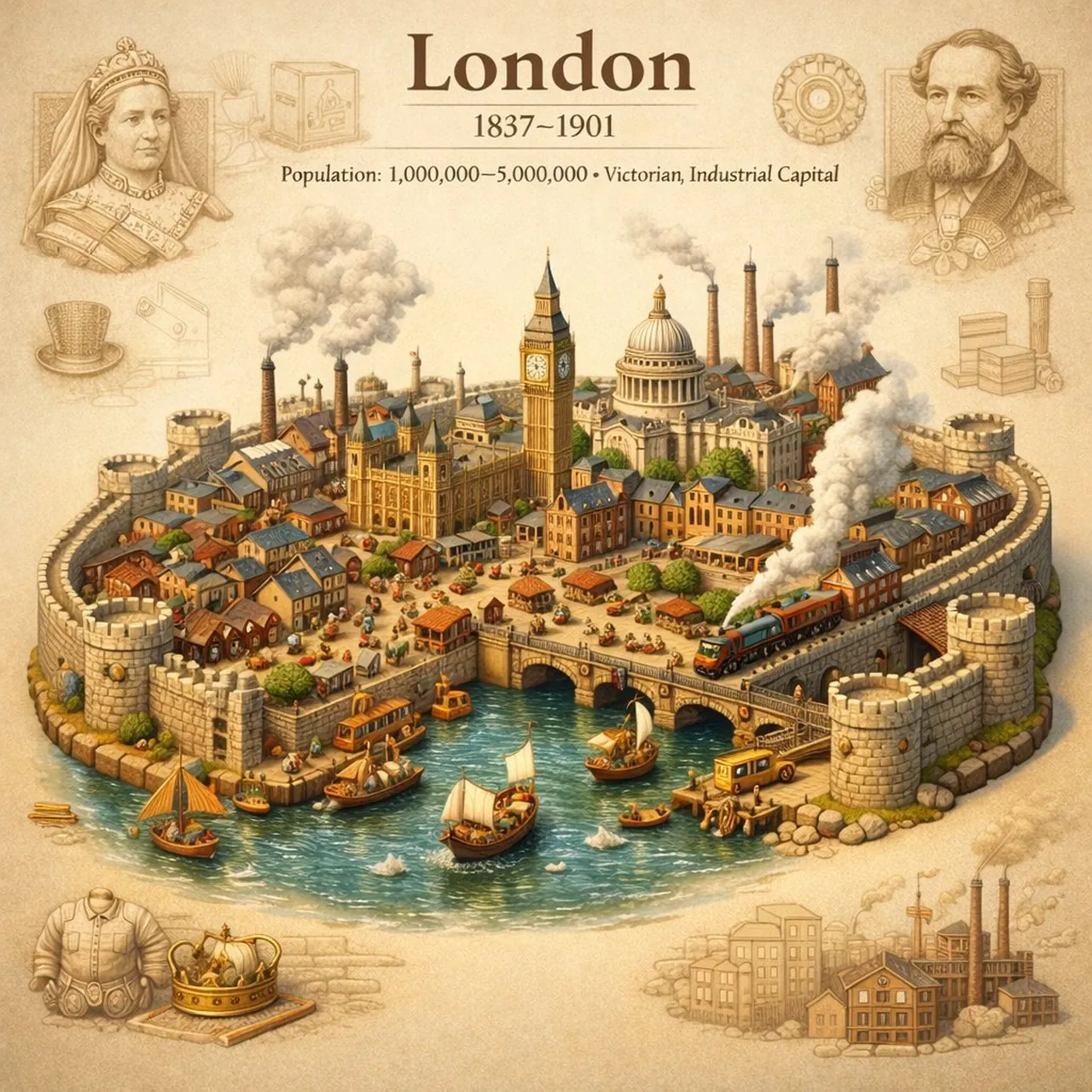
Create a clean photorealistic city composition designed to test precise layout adherence. Place a recognizable skyline in the middle distance, a broad empty foreground, and clearly separated architectural blocks on the left and right. Keep the horizon level, preserve generous negative space in the upper third, and use soft daylight, realistic scale, crisp edges, and restrained neutral colors. Use a wide 16:9 composition, no tilted perspective, no duplicated buildings, no random signs, no watermark.
16. Portrait médical professionnel
Cas d'utilisation : sites Web de cliniques, profils de soins de santé et contenu éducatif.
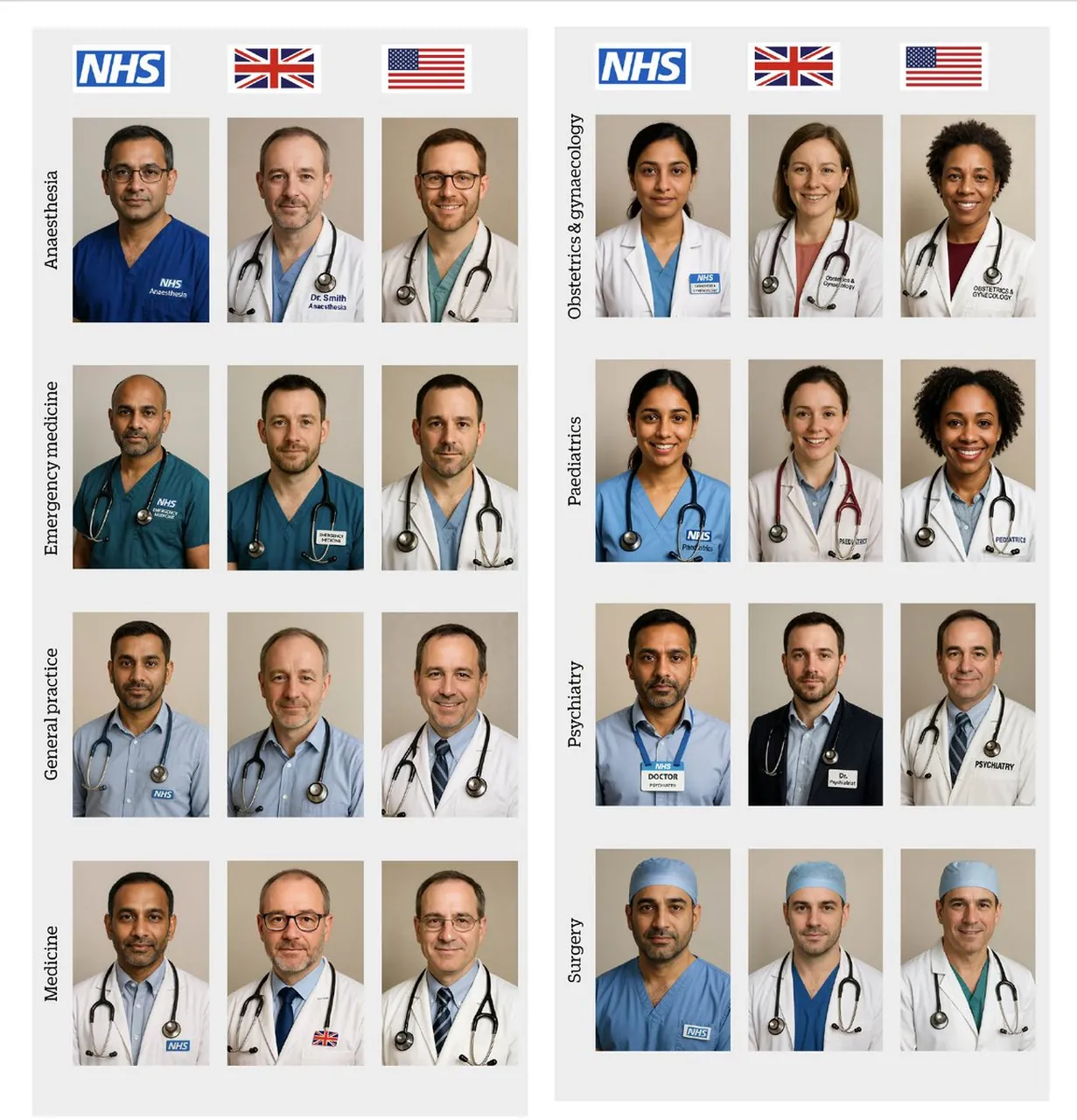
Create a professional photorealistic headshot of a friendly doctor specializing in [SPECIALTY]. Use a clean neutral background, a white coat over understated professional clothing, natural eye contact, relaxed shoulders, and a credible approachable expression. Use soft key light, subtle fill, realistic skin texture, accurate hands if visible, 85mm portrait perspective, centered waist-up framing, clean healthcare branding, vertical 4:5, no medical claims, no readable patient information, no logo, no watermark.
17. Scène d'action avec portail au néon
Cas d'utilisation : art clé de jeux, concepts de films et miniatures d'action.
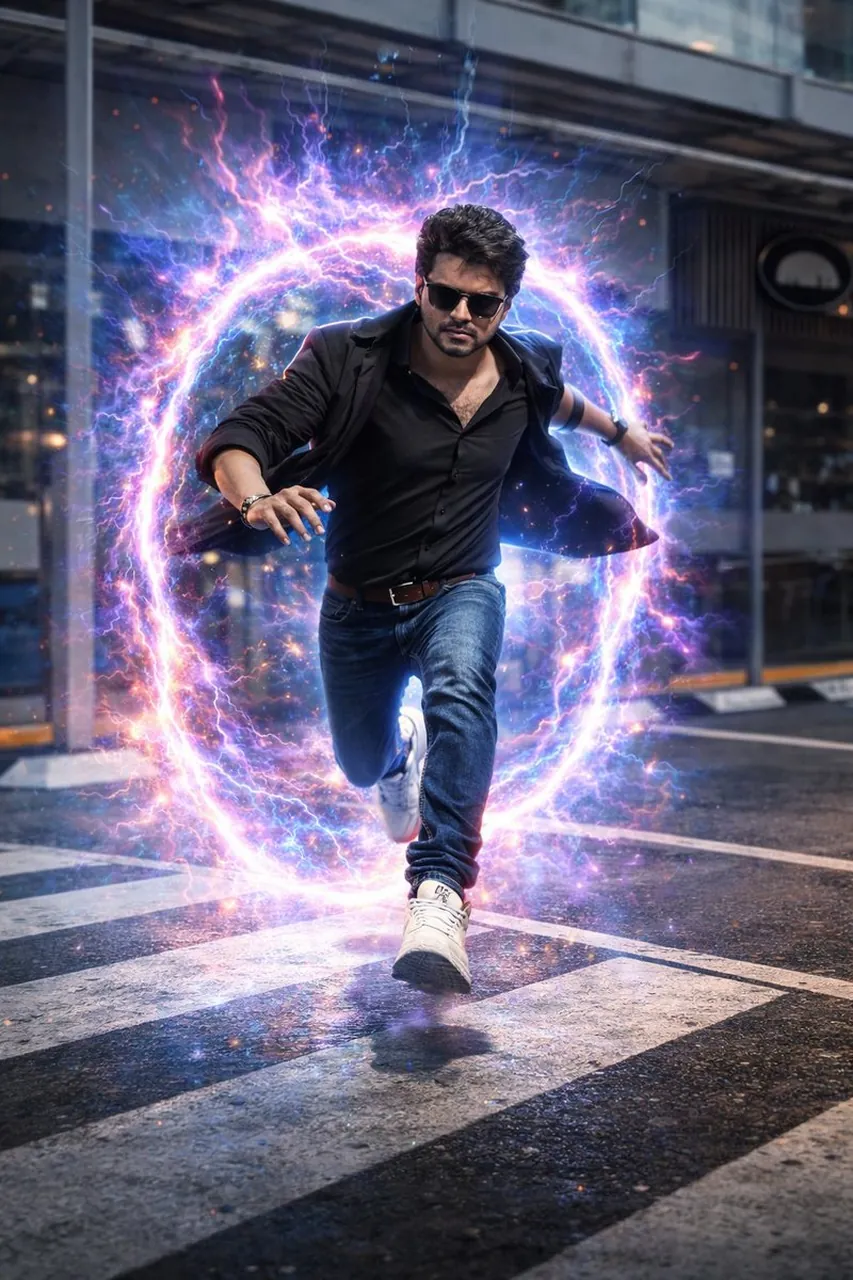
Transform a supplied portrait into a hyper-realistic cinematic action scene on a rain-slicked urban street. Place a glowing dimensional neon portal behind the subject, with cyan and magenta light reflecting across wet pavement and nearby architecture. Keep the subject’s identity, face, clothing, and proportions consistent. Use a low-angle 35mm composition, controlled motion blur, atmospheric rain, strong rim lighting, realistic reflections, high contrast, 16:9 landscape, no extra limbs, no random text, no watermark.
18. Scène matinale d'étang de lotus
Cas d'utilisation : œuvres d'art pour la méditation, contenu de bien-être et affiches de nature.
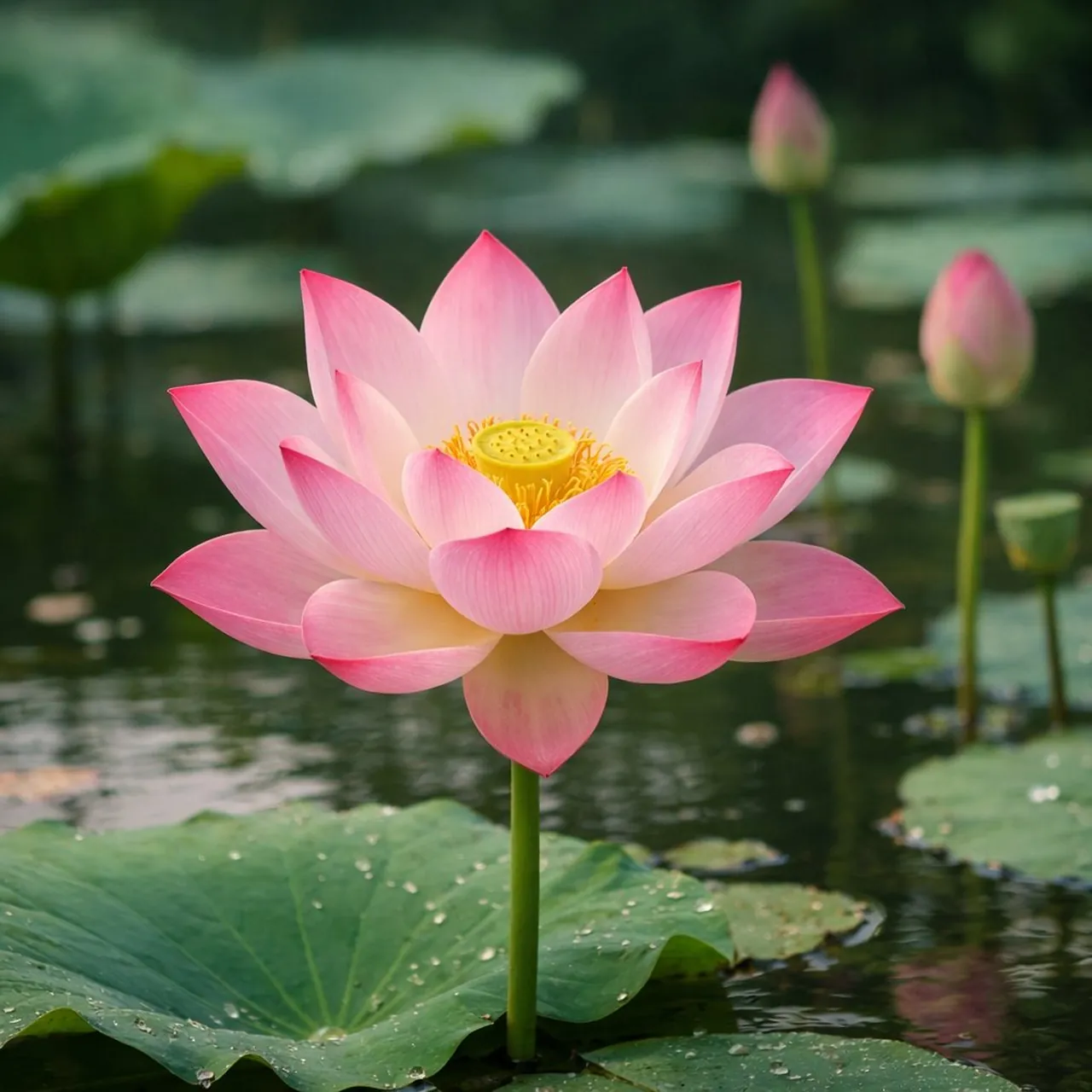
Create a serene photorealistic lotus pond at early morning. Place several pink and white lotus flowers above broad green leaves, with delicate mist hovering over still water and soft mountains fading into the background. Use gentle sunrise light, pastel peach and sage tones, realistic water reflections, fine petal texture, balanced negative space, and a calm contemplative atmosphere. Use a vertical 4:5 composition, no people, no text, no artificial neon colors, no watermark.
19. Transformation de portrait restauré
Cas d'utilisation : restauration de photos de famille, projets commémoratifs et archives personnelles.
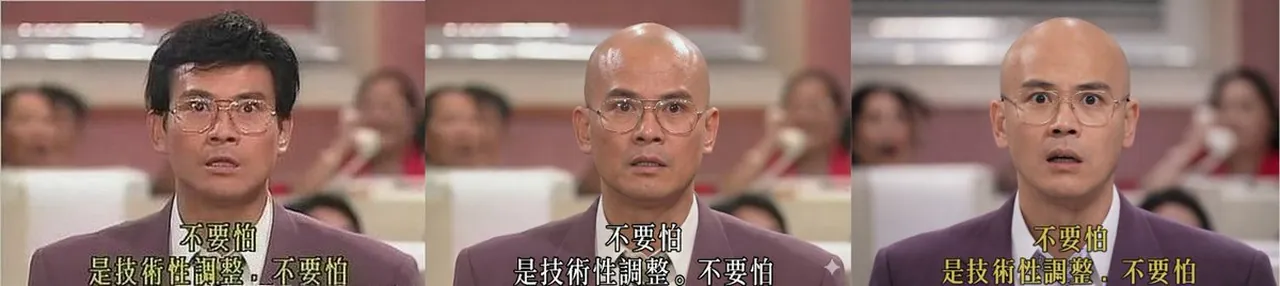
Restore the supplied vintage portrait while preserving the person’s identity, facial structure, expression, clothing, and original pose. Remove scratches, dust, fading, and color damage; rebuild missing detail conservatively and improve contrast with a natural film palette. If the brief requests a hairstyle transformation, change only the hair while keeping the face and age consistent. Use realistic skin texture, period-appropriate color, gentle sharpening, and a clean archival finish. No beauty-filter effect, no new accessories, no altered facial features, no watermark.
20. Broderie et croquis au stylo à Bille
Cas d'utilisation : marques d'artisanat, éducation artistique et art éditorial multimédia.
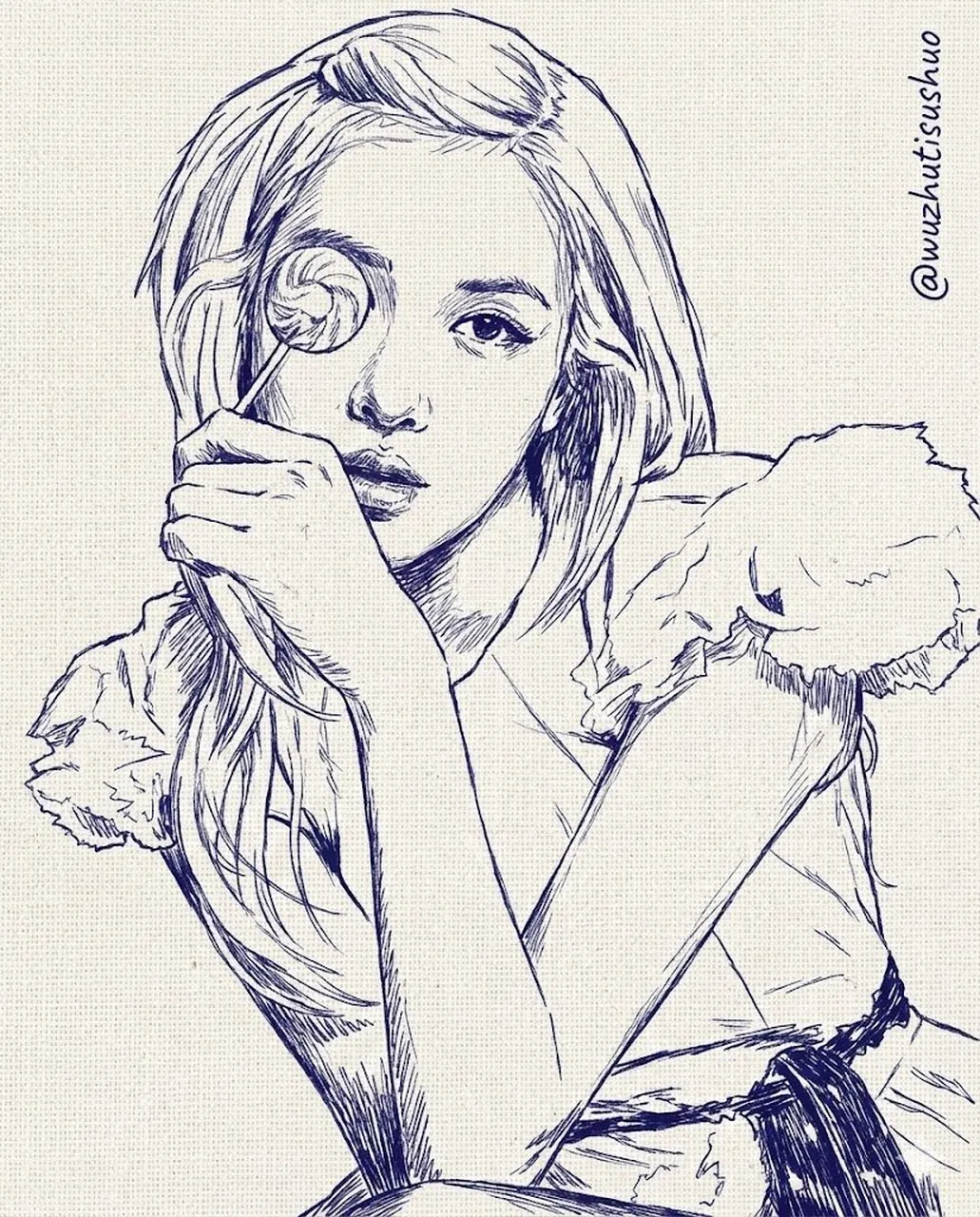
Create a mixed-media portrait combining fine blue ballpoint-pen hatching with raised embroidery details. Use a simple central subject, visible paper fibers, stitched floral accents, delicate thread shadows, and carefully controlled line density. Keep the composition editorial and uncluttered, with a warm cream paper background and restrained indigo, coral, and mustard accents. Show the physical material contrast clearly, use vertical 4:5 framing, no photorealistic skin, no random lettering, no watermark.
21. Modification de remplacement de personnage
Cas d'utilisation : storyboarding, développement de concepts de jeux et conception de personnages.
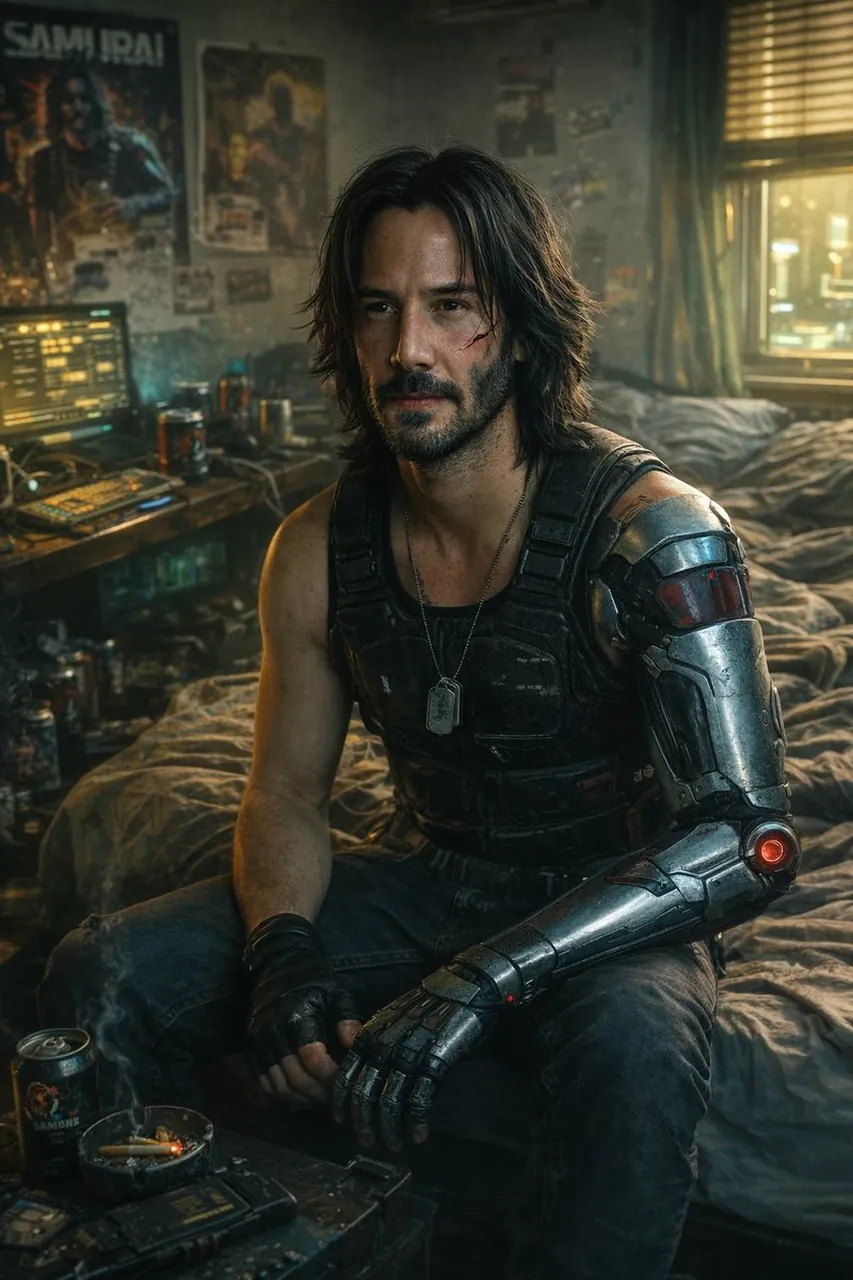
Edit the supplied scene by replacing only the main character with [NEW CHARACTER]. Preserve the original camera angle, pose, lighting direction, environment, perspective, shadows, and all unchanged background objects. Match the new character’s scale, contact shadows, clothing texture, and color grade to the scene. Keep the same framing and aspect ratio. Do not alter the architecture, props, sky, or composition; no extra characters, logos, text, or watermark.
22. Portrait de transmission émotionnelle
Cas d'utilisation : couvertures de fiction, narration de campagne et portraits éditoriaux.
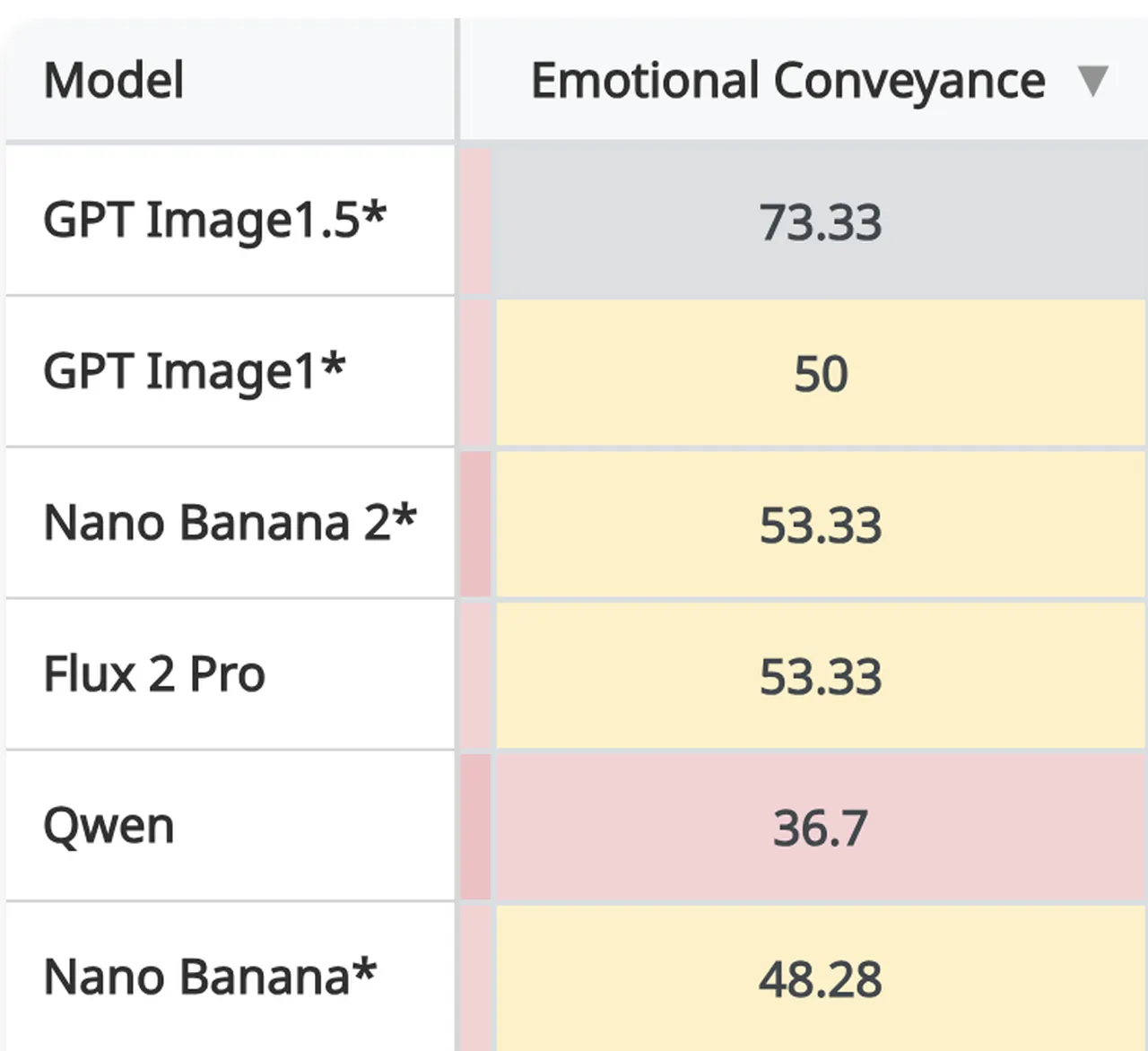
Create a cinematic portrait that communicates [EMOTION] through posture, eye direction, facial tension, hand placement, and surrounding light rather than exaggerated expressions. Place the subject in a simple atmospheric environment with one meaningful prop, soft directional lighting, subtle color contrast, and realistic material detail. Use a medium close-up, shallow depth of field, natural anatomy, quiet visual hierarchy, and a 4:5 vertical frame. Avoid melodrama, plastic skin, duplicated objects, random text, logos, and watermark.
23. Forêt en mosaïque aux tons de pierres précieuses
Cas d'utilisation : art mural, illustration culturelle et arrière-plans créatifs.
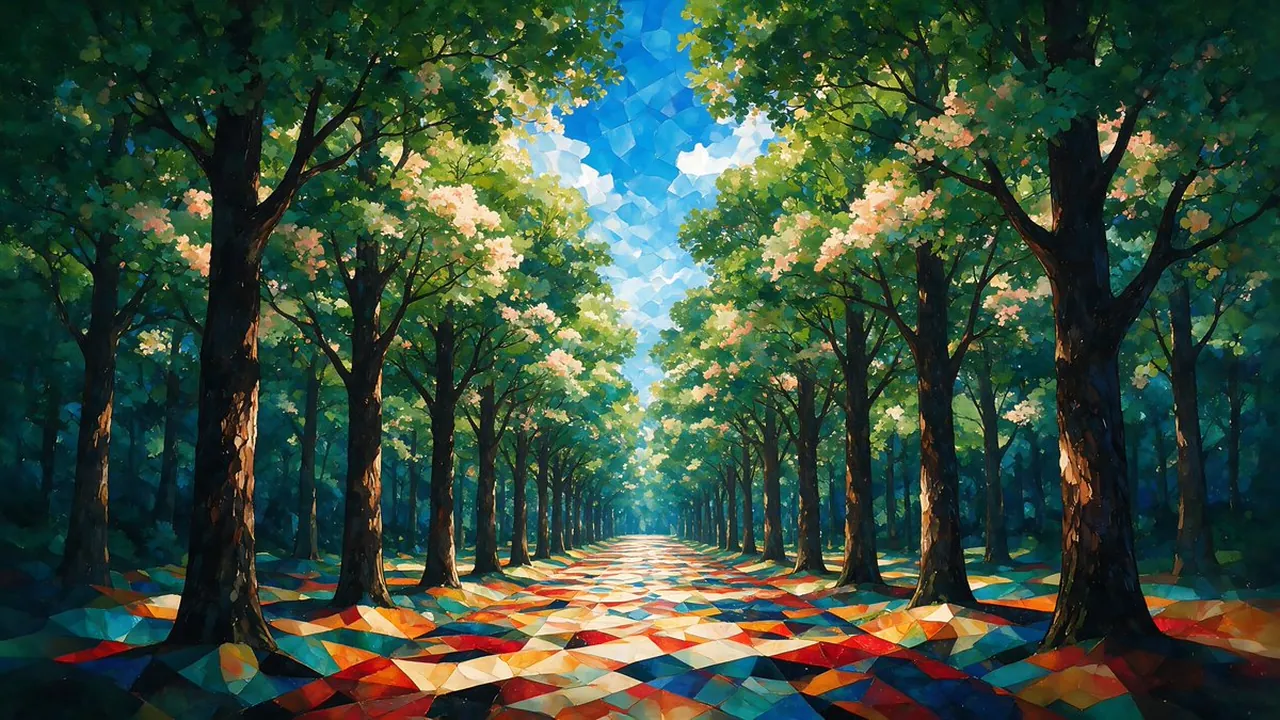
Create a highly detailed fine-art forest avenue rendered as a dreamlike mosaic painting. Use jewel-toned emerald, sapphire, ruby, and amber fragments to build trees, foliage, a winding path, and atmospheric depth. Keep the scene readable from foreground to background, with rhythmic tile shapes, luminous highlights, and a sophisticated gallery-art finish. Use a wide 16:9 composition, controlled symmetry, no photorealistic people, no random text, no logo, no watermark.
24. Animal préhistorique réaliste
Cas d'utilisation : éducation muséale, illustration d'histoire naturelle et narration scientifique.
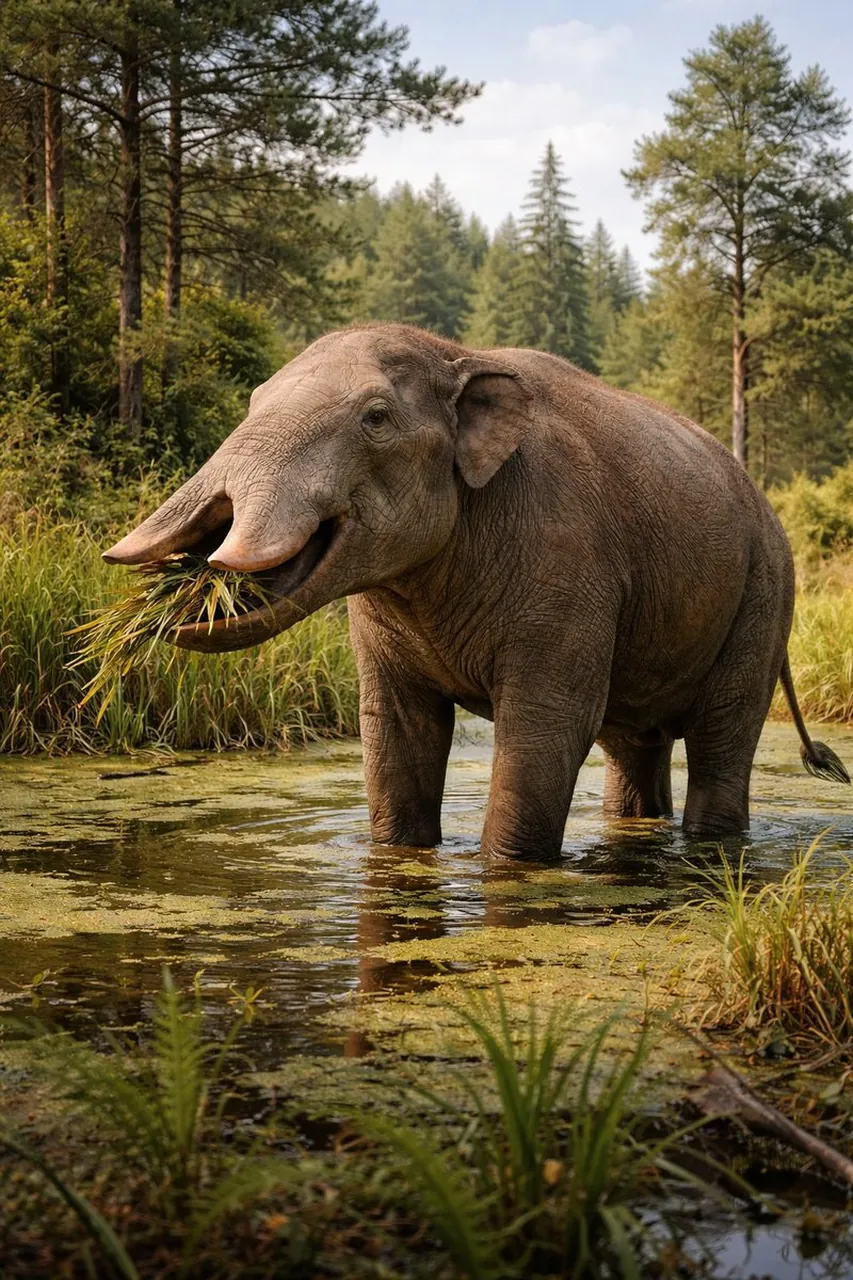
Create a scientifically grounded wildlife scene featuring a realistic Platybelodon in a late-Miocene grassland. Show the animal’s shovel-like lower jaw, broad body, believable skin folds, dust on the feet, and natural herd-scale environment. Use warm low-angle sunlight, a restrained earth-tone palette, atmospheric distance, accurate anatomy, and documentary wildlife photography framing. Use landscape 16:9 composition, no fantasy armor, no modern objects, no labels, no watermark.
25. Modification de bijoux et de vêtements
Cas d'utilisation : catalogues de mode, concepts d'essayage et style de produits.
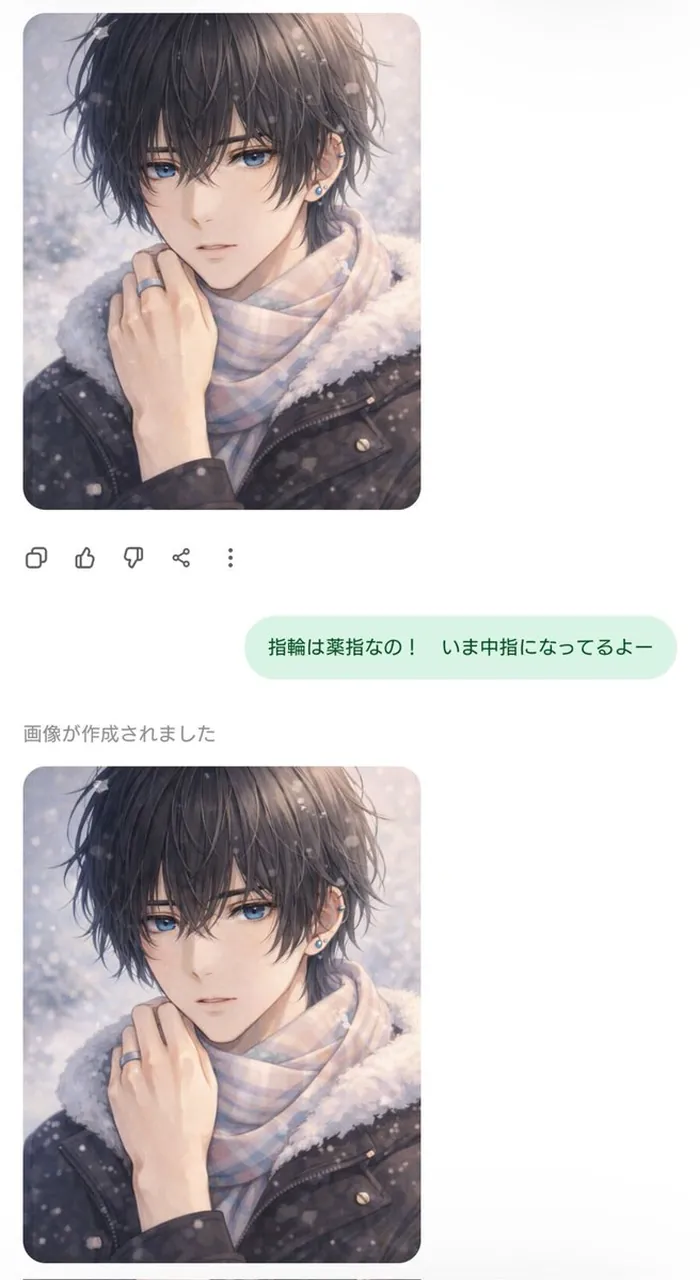
Edit the supplied fashion portrait by changing only the jewelry and clothing. Replace the outfit with [CLOTHING DESCRIPTION] and add [JEWELRY DESCRIPTION], matching the original body shape, pose, face, hairstyle, camera angle, background, shadows, and color grade. Make the fabric folds, metal reflections, contact shadows, and scale physically believable. Keep the original identity unchanged, preserve the composition, use vertical 4:5 framing, and include no extra accessories, logos, text, or watermark.
26. Transformation de voiture et d'arrière-plan
Cas d'utilisation : annonces automobiles, tableaux de concepts et maquettes publicitaires.
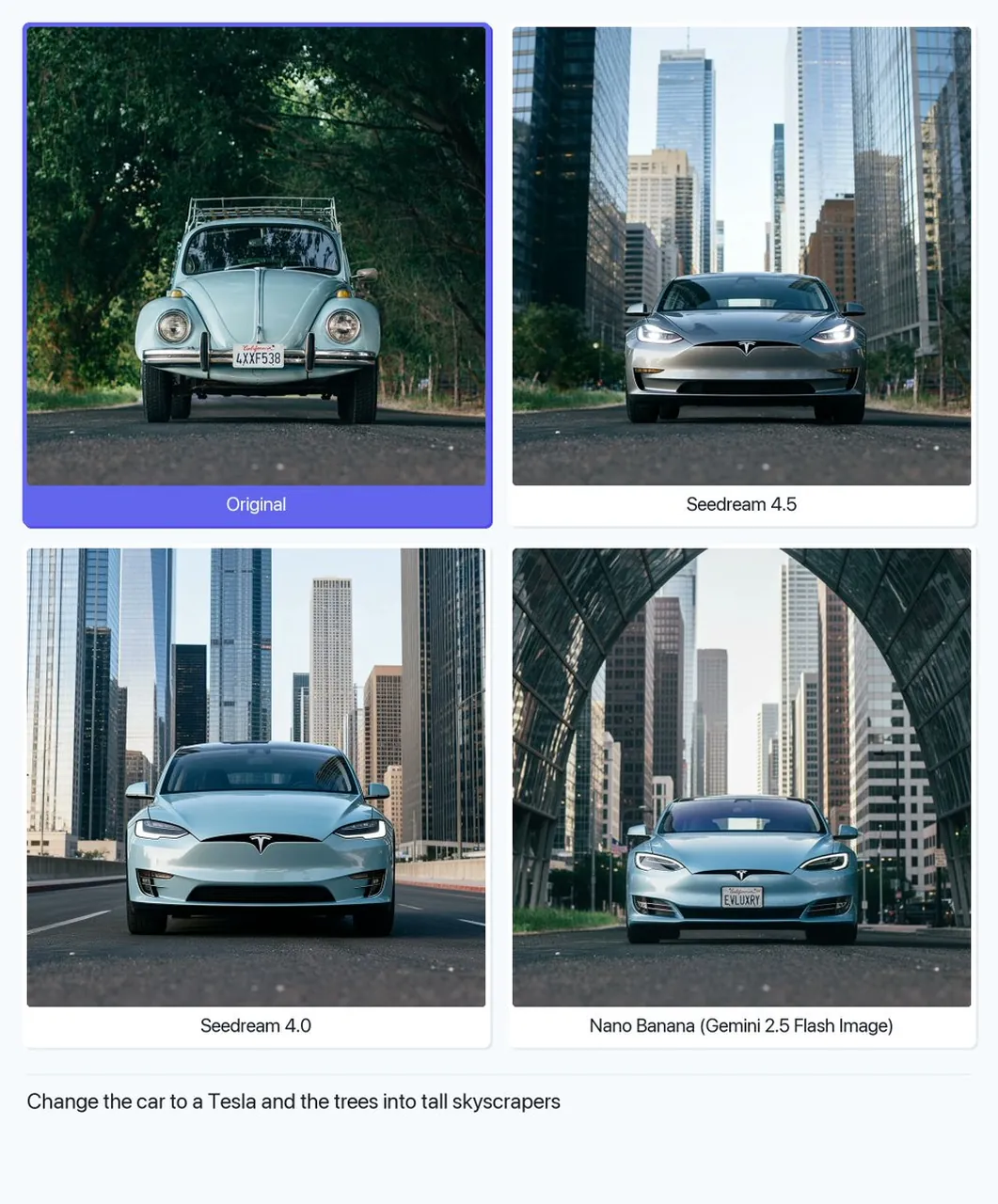
Replace only the background of the supplied car image with [NEW LOCATION]. Preserve the exact vehicle shape, paint color, wheels, windows, reflections, camera angle, and proportions. Match the new environment’s perspective, light direction, contact shadow, atmospheric haze, and road texture to the vehicle. Keep the car sharp and central, use a premium automotive-advertising look, landscape 16:9 composition, no model changes, no logo edits, no added text, no watermark.
27. Portrait de mariage minimaliste
Cas d'utilisation : sites Web de mariage, invitations et annonces de couple.
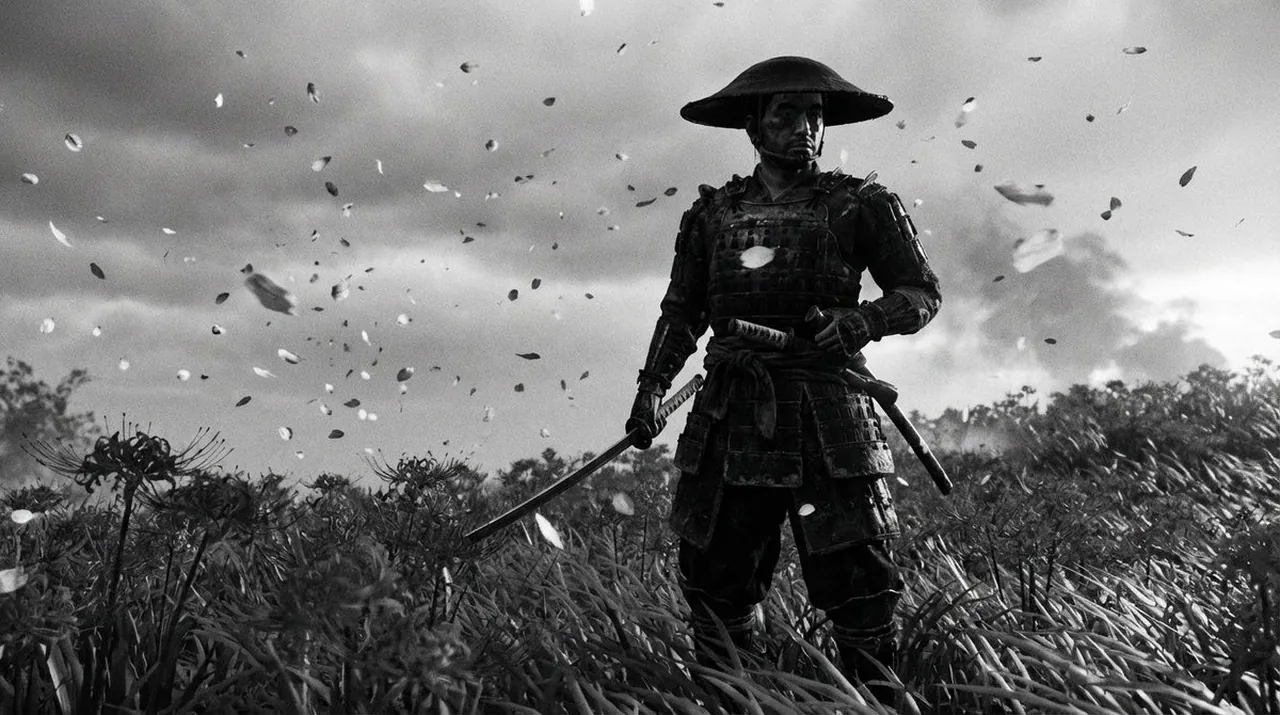
Create an extremely realistic minimalist wedding portrait of a couple standing close together against a warm neutral background. Use elegant understated clothing, natural expressions, relaxed hands, soft window light, gentle shadows, and a quiet intimate atmosphere. Keep the composition uncluttered with generous negative space for later invitation text. Use realistic fabric, skin, and ring details, medium portrait framing, vertical 4:5, no extra jewelry, no distorted hands, no random text, no watermark.
28. Collage d'art IA éducatif
Cas d'utilisation : diapositives de classe, éducation muséale et explicateurs visuels.
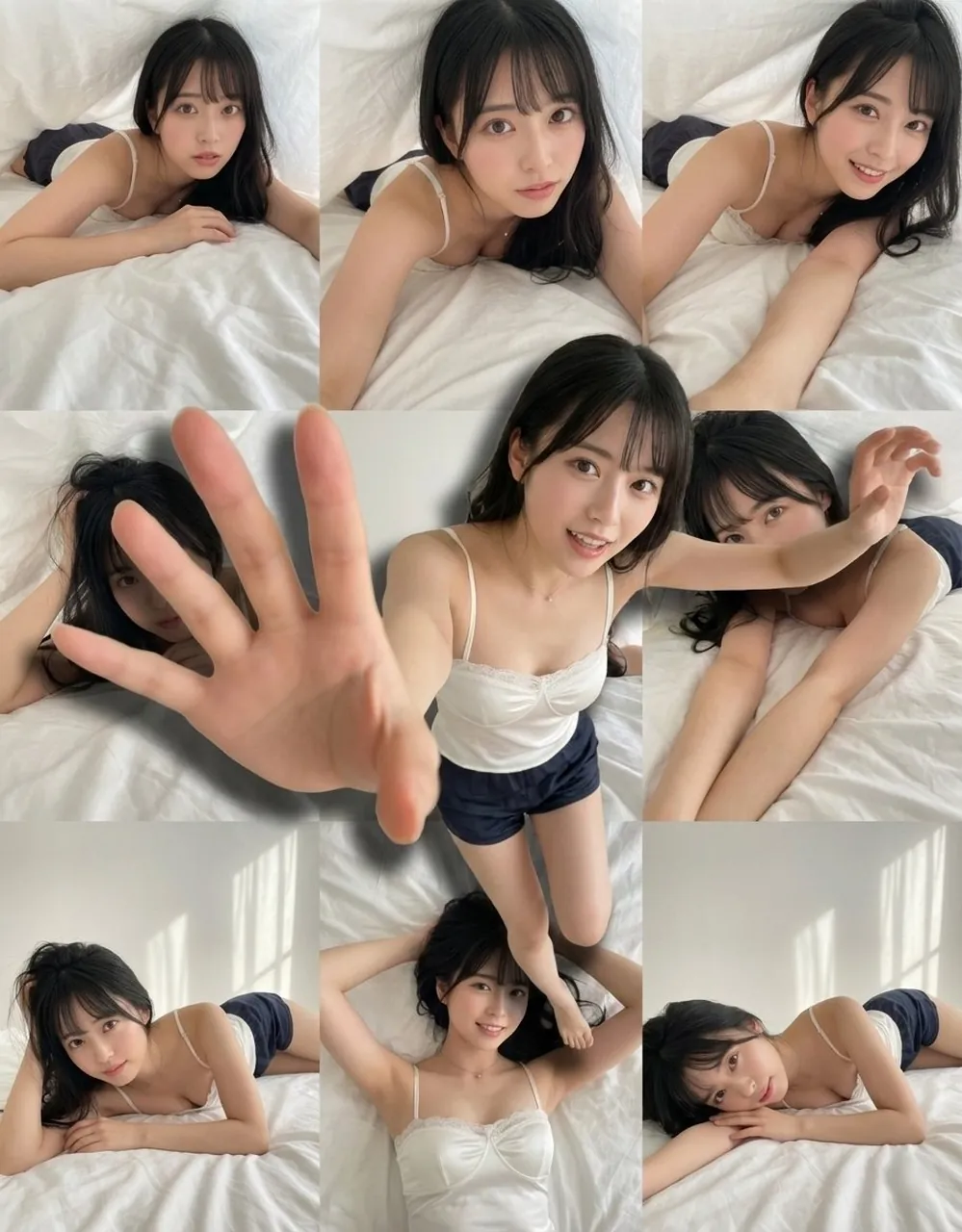
Create an educational visual collage explaining [TOPIC]. Arrange the main subject in the center and surround it with clearly separated supporting scenes, objects, and simple visual labels. Use a consistent illustration style, limited color palette, strong hierarchy, generous spacing, and accurate relationships between the elements. Keep text short and render the exact labels “[LABEL 1]” and “[LABEL 2]” only if needed. Use a clean 16:9 layout, no decorative clutter, no false data, no watermark.
29. Figure colossale dans une rue de ville
Cas d'utilisation : affiches surréalistes, concepts de films et art de comparaison d'échelles.
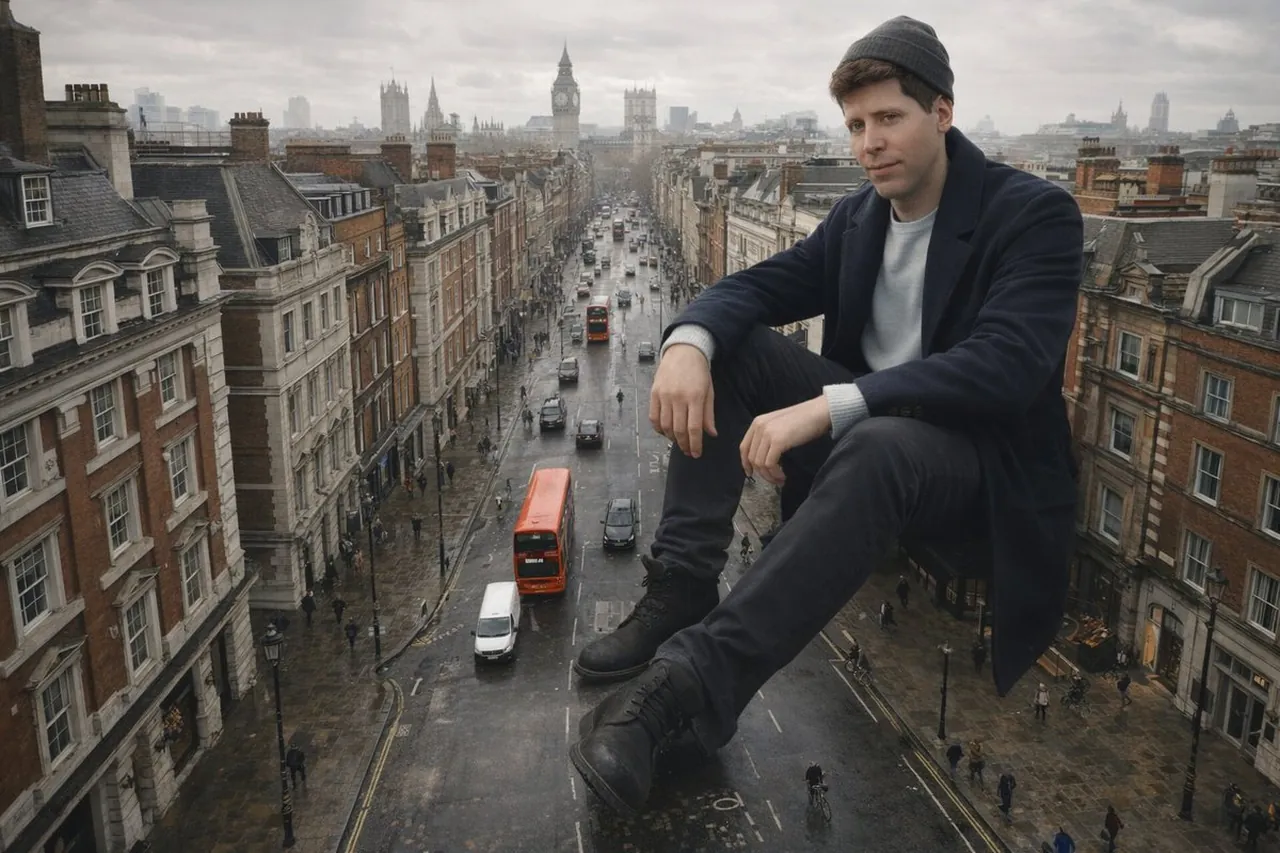
Create a cinematic wide-angle city street scene with a colossal person seated calmly among ordinary buildings and traffic lanes. Make the scale relationship clear through tiny architecture, pedestrians, street markings, and perspective lines while keeping the figure’s anatomy believable. Use overcast daylight, realistic atmospheric depth, restrained urban colors, subtle reflections, and a low camera angle. Landscape 16:9 composition, no destruction, no panic, no random signage, no extra limbs, no watermark.
30. Modification de portrait artistique
Cas d'utilisation : transformations de beauté, avatars sociaux et expériences éditoriales.
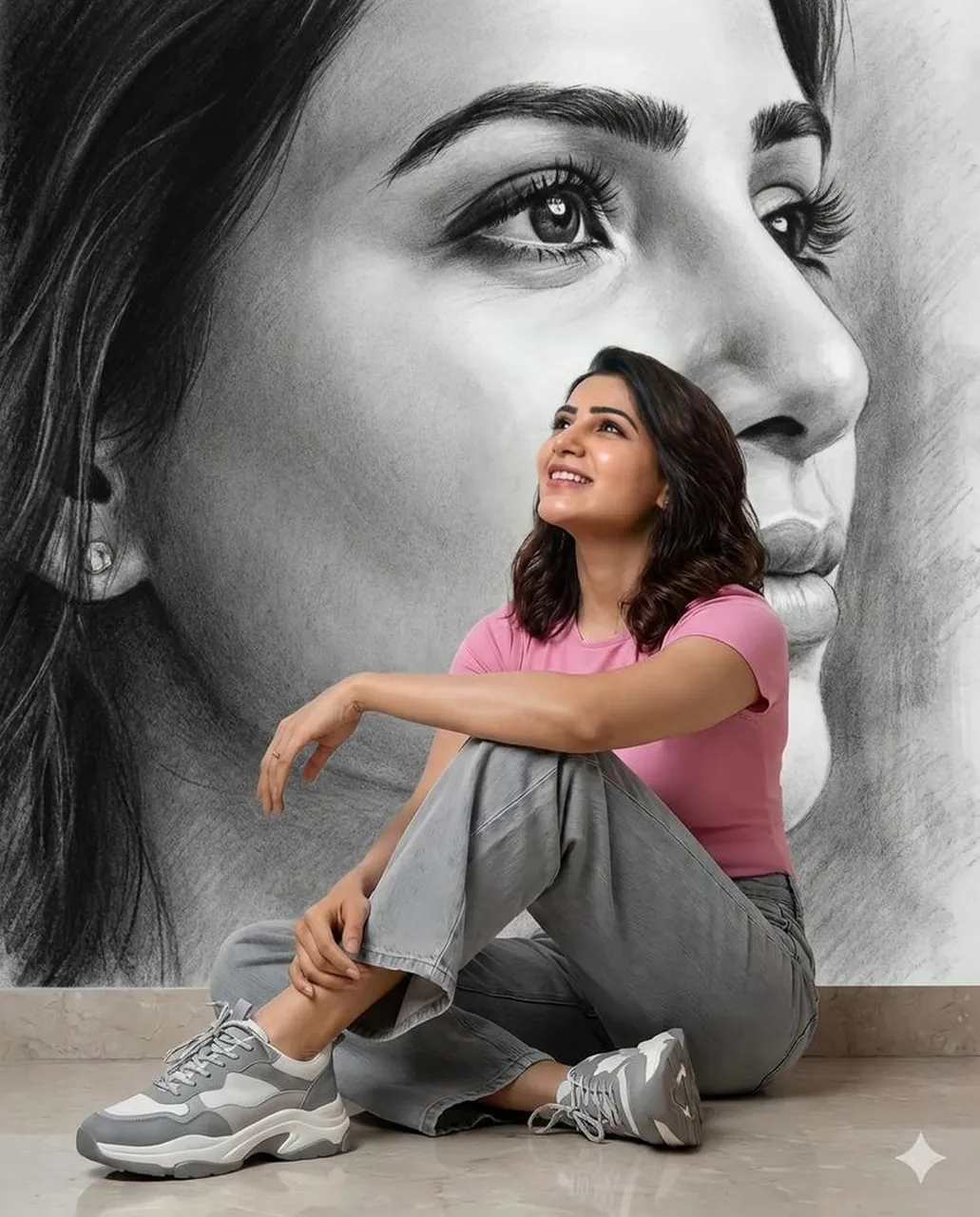
Transform the supplied portrait into a refined artistic editorial image while preserving the subject’s identity, face shape, expression, hairstyle, and pose. Apply [STYLE] through controlled brushwork, paper texture, color layering, and background treatment rather than changing the person. Keep facial features sharp enough to remain recognizable, use a limited palette, balanced negative space, and vertical 4:5 composition. Change only the visual medium and background; no extra accessories, distorted anatomy, random text, or watermark.
31. Portrait romantique à l'encre bleue
Cas d'utilisation : papeterie, couvertures de livres, campagnes romantiques et art mural.
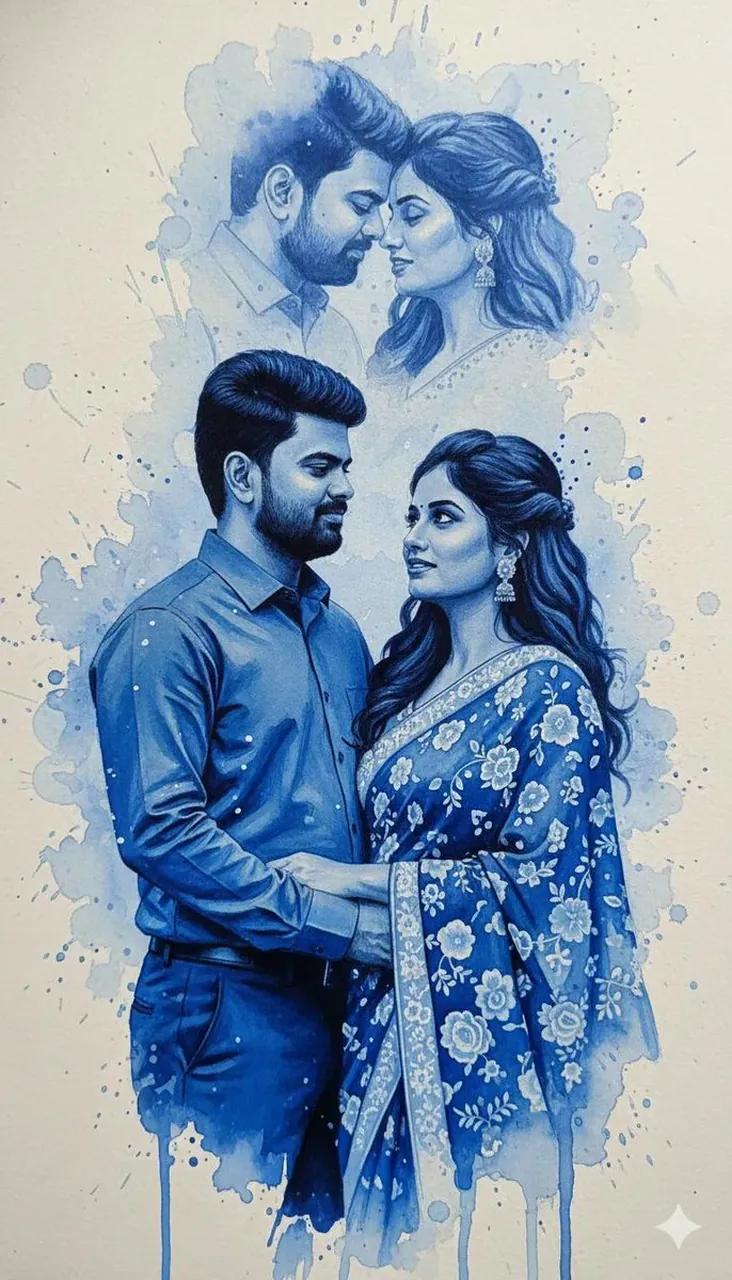
Create a romantic portrait illustration built from expressive cobalt-blue ink flowing around the subject like soft ribbons. Keep the face and pose readable while allowing translucent ink blooms, feathered edges, and delicate splashes to shape the background. Use a cream paper ground, gentle side lighting, subtle paper grain, elegant negative space, and a calm poetic mood. Vertical 4:5 composition, no black outlines that overpower the face, no random lettering, no logo, no watermark.
32. Portrait de photographie de mariage minimaliste
Cas d'utilisation : annonces de cérémonie, blogs de mariage et art d'invitation haut de gamme.
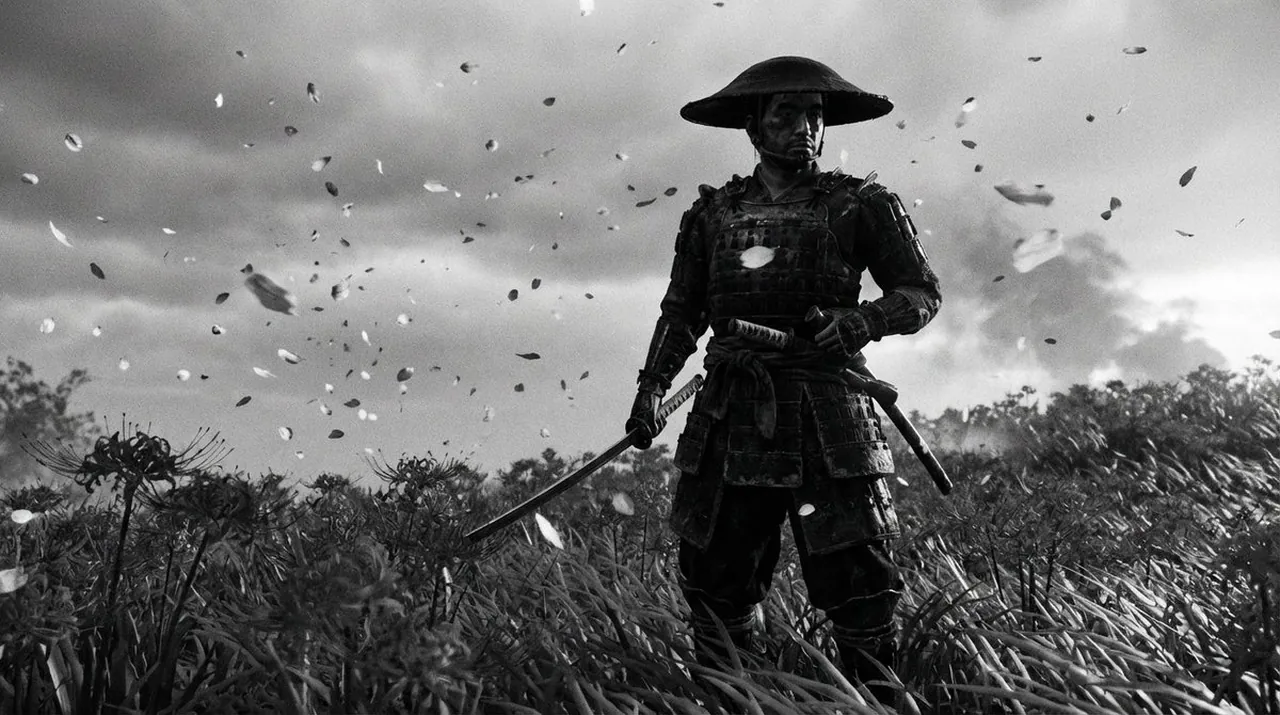
Create a premium minimalist wedding photograph of a couple in a bright neutral interior with soft architectural lines. Pose them naturally with subtle eye contact and relaxed hands, wearing timeless formal clothing with realistic fabric texture. Use diffused window light, gentle beige and ivory tones, shallow depth of field, quiet editorial styling, and clean negative space on one side for invitation copy. Vertical 4:5 framing, accurate anatomy, no extra fingers, no random text, no logos, no watermark.
6. Catégories commerciales et comment les adapter
Portraits et image de marque personnelle
Verrouillez le visage, l'expression, les vêtements, la distance de la caméra et la direction de la lumière. Pour une image de profil réutilisable, gardez l'arrière-plan simple et laissez un peu d'espace négatif pour un nom ou un rôle.
Concepts de produits et d'emballage
Décrivez la forme exacte du produit, sa finition, la zone de l'étiquette et sa relation avec la surface. Ajoutez l'angle de la caméra et le reflet de la lumière, puis demandez l'absence de logos supplémentaires ou de caractéristiques de produit inventées.
Affiches et graphiques sociaux
Définissez la hiérarchie avant la décoration. Indiquez le titre exact, l'emplacement du texte, le format d'image et l'espace vide. Si l'orthographe est critique, envisagez d'ajouter le texte final après la génération.
Illustrations éditoriales
Nommez le médium, la qualité des lignes, la palette, la texture et le niveau de réalisme. Pour un diptyque ou un collage, répétez l'exigence de style pour chaque panneau afin que les sections donnent l'impression d'un actif conçu d'un seul tenant.
Retouche et restauration d'images
Utilisez des invariants clairs : « changer uniquement l'arrière-plan », « préserver le visage » ou « garder la forme du produit inchangée ». Cela réduit les modifications indésirables et rend chaque révision plus facile à évaluer.
7. Modèles de prompts d'image réutilisables pour ChatGPT
Modèle de portrait photoréaliste
Create a [image type] of [subject] in [location]. The subject wears [clothing/accessories] and has [appearance/expression]. Frame the image as [composition] from [camera angle]. Use [lighting], [palette], and [texture]. Intended use: [use case]. [Aspect ratio]. Preserve [identity/invariants]. Avoid [negative constraints].
Modèle de campagne de produits
Create a premium product photograph of [product] on [surface] in [environment]. Show [material, finish, and key details] clearly. Use [camera angle], [lens/look], and [lighting]. Leave [location] empty for copy. Keep the product shape and label placement unchanged. [Aspect ratio]. No invented logos, distorted text, extra products, or watermark.
Modèle d'affiche
Create a [style/medium] poster about [topic]. Place [main subject] in [scene] with [supporting elements]. Use [palette], [lighting], [texture], and [composition]. Add the exact text “[HEADLINE]” at [location] and “[SUBHEAD]” at [location]. Keep the hierarchy clear, [aspect ratio], no misspelled text, random letters, logos, or watermark.
Modèle de retouche d'image
Edit the supplied image by changing only [target element]. Preserve [identity, pose, product, camera angle, lighting, background, and proportions]. Match [perspective, shadows, reflections, and texture] to the original. Keep the same framing and aspect ratio. Do not alter [protected elements]. No extra objects, text, logos, or watermark.
8. FAQ sur les prompts d'image pour ChatGPT
Quelle doit être la longueur d'un prompt d'image pour ChatGPT ?
Un prompt doit être suffisamment long pour éliminer toute ambiguïté importante, et non long pour le plaisir de l'être. Commencez par le sujet et le type d'image souhaité, puis ajoutez la scène, la composition, l'éclairage, les matériaux, les exigences textuelles et uniquement les contraintes négatives qui comptent.
Dois-je inclure les réglages de la caméra ?
Les termes liés à la caméra sont surtout utiles lorsque vous souhaitez un résultat photographique. Un objectif, un cadrage, une profondeur de champ et une direction de la lumière peuvent guider le langage visuel, mais ils doivent soutenir le cahier des charges plutôt que de le remplacer.
Comment améliorer le texte dans les images générées par l'IA ?
Écrivez le texte exact entre guillemets, spécifiez où il doit apparaître et faites-le court. Pour les logos, les étiquettes d'emballage et les longs titres, générez une mise en page propre avec de l'espace négatif et ajoutez la typographie finale dans un outil de conception lorsque la précision est essentielle.
Dois-je utiliser une image de référence ?
Utilisez une image de référence lorsque l'identité, la forme du produit, la pose ou un style visuel particulier doivent rester cohérents. Indiquez ce qui doit être préservé et ce qui peut changer. Plus les invariants sont spécifiques, plus il est facile d'examiner le résultat.
9. Conclusion
Les prompts d'image les plus fiables pour ChatGPT associent une direction créative à des contraintes pratiques. Commencez par le sujet, définissez la hiérarchie visuelle, contrôlez la scène et la lumière, spécifiez le format et terminez par une liste d'exclusions ciblée. Les 32 exemples ci-dessus montrent comment la même structure peut prendre en charge des portraits, des produits, des illustrations, des affiches, des restaurations et des campagnes commerciales.
Traitez chaque prompt comme un briefing de départ plutôt que comme une formule magique figée. Changez le sujet, l'emplacement, la palette, le format d'image et l'utilisation prévue tout en préservant la structure principale intacte. Cela vous donne un système de prompt reproductible au lieu d'une collection d'idées ponctuelles déconnectées.