Mais de 30 melhores comandos de imagem do ChatGPT para fotos, artes, anúncios e design
- 1. Por que prompts de imagem estruturados no ChatGPT funcionam melhor
- 2. Prompt fraco versus prompt pronto para produção
- 3. A estrutura de prompt de imagem do ChatGPT
- 4. Como escrever melhores prompts de imagem para o ChatGPT
- 5. Os 32 melhores prompts de imagem para o ChatGPT
- 5.1 Adaptações de casos em destaque do GPT Image 2
- 1. Retrato com óculos de sol âmbar em cor seletiva
- 2. Retrato de terror gótico surreal
- 3. Retrato de moda em pátio do sul da Ásia
- 4. Selfie aconchegante de quarto tarde da noite
- 5. Retrato de viagem em córrego de montanha
- 6. Retrato de luxo em esmeralda e ouro
- 7. Corte de retrato de terror com divisão facial mais justa
- 8. Retrato de moda cinético com fundo vermelho
- 9. Close-up de beleza fantástica em escamas de cristal
- 10. Retrato de luxo silencioso à beira-mar
- 11. Retrato cinematográfico de lowrider clássico
- 12. Diptíquo vetorial plano editorial
- 13. Família viajante em webtoon coreano
- 14. Variação de estúdio com óculos de sol âmbar
- 5.2 Adaptações adicionais de casos públicos do GoEnhance
- 15. Composição de cidade com rigorosa fidelidade ao prompt
- 16. Foto profissional médica para currículo/perfil
- 17. Cena de ação em portal de neon
- 18. Cena matinal em lago de lótus
- 19. Transformação de retrato restaurado
- 20. Bordado e esboço com caneta esferográfica
- 21. Edição de substituição de personagem
- 22. Retrato de transmissão emocional
- 23. Floresta em mosaico com tons de joias
- 24. Animal pré-histórico realista
- 25. Edição de joias e roupas
- 26. Transformação de carro e fundo
- 27. Retrato de casamento minimalista
- 28. Colagem de arte em IA educacional
- 29. Figura colossal em rua de cidade
- 30. Edição de retrato artístico
- 31. Retrato romântico em tinta azul
- 32. Retrato de fotografia de casamento minimalista
- 5.1 Adaptações de casos em destaque do GPT Image 2
- 6. Categorias comerciais e como adaptá-las
- 7. Modelos reutilizáveis de prompts de imagem para o ChatGPT
- 8. Perguntas frequentes sobre prompts de imagem do ChatGPT
- 9. Conclusão
Os melhores prompts de imagem do ChatGPT fazem mais do que apenas nomear um assunto. Eles explicam o estilo visual, a composição, a iluminação, as cores, os materiais, o texto e os detalhes que devem permanecer consistentes. Essa estrutura ajuda a transformar uma ideia vaga em uma imagem mais fácil de usar para uma foto de perfil, campanha de produto, pôster, ilustração editorial ou publicação em rede social.
Este guia reúne 32 prompts de imagem prontos para cópia para retratos, moda, viagens, produtos, pôsteres, ilustrações e experimentos criativos. Os primeiros 14 são adaptados de casos em destaque não competitivos na página de prompts do GPT Image 2 (GPT Image 2 prompts). Os 18 restantes utilizam imagens de casos públicos adicionais da biblioteca de prompts de imagem do GoEnhance. Cada entrada inclui uma imagem de caso correspondente; o prompt abaixo de cada imagem é uma adaptação prática, não uma afirmação de que seja a redação exata da página de origem.
Para obter mais inspiração, navegue pela biblioteca ampla de prompts de imagem e adapte a estrutura ao seu assunto, público e formato de saída.
1. Por que prompts de imagem estruturados no ChatGPT funcionam melhor
"Faça um belo retrato de moda" dá uma ideia ao ChatGPT, mas deixa a maioria das decisões visuais em aberto. O modelo ainda precisa adivinhar a pose, as roupas, o fundo, a distância da câmera, a direção da luz, a paleta de cores e a proporção da imagem do sujeito. É por isso que um pedido simples pode produzir uma imagem atraente que não corresponde a um briefing de design real.
Um prompt de imagem útil funciona como uma nota compacta de direção de arte. Ele diz ao modelo o que priorizar e o que evitar. Você não precisa descrever todos os detalhes possíveis, mas deve definir a hierarquia visual: o assunto principal primeiro, o ambiente em segundo e os detalhes de acabamento por último.
2. Prompt fraco versus prompt pronto para produção
Prompt fraco
Create a stylish woman in a beautiful garden.
Prompt pronto para produção
Create a photorealistic editorial portrait of a young woman standing in a curated garden at late afternoon. She wears a cream linen dress, small gold earrings, and natural makeup. Frame her from the waist up at eye level, with flowering branches creating a soft foreground frame. Use warm directional sunlight, gentle shadows, muted sage and peach tones, shallow depth of field, realistic skin texture, natural hands, and an 85mm portrait lens. Leave clean negative space in the upper-right corner for a headline. Vertical 4:5 composition, no watermark, no extra text, no distorted features.
O segundo prompt fornece ao modelo um assunto, cenário, composição, plano de iluminação, requisito de uso e restrições negativas. É mais fácil de gerar, revisar e refinar.
3. A estrutura de prompt de imagem do ChatGPT
Use esta estrutura como ponto de partida:
[style/type], [subject], [action or pose], [scene], [composition], [lighting], [color and texture], [text instructions], [aspect ratio/use], [negative constraints]
Um prompt de produto pode começar com o material e o ângulo da câmera, enquanto um prompt de retrato pode começar com a identidade e a expressão do assunto. A ordem pode mudar, mas o prompt deve responder a estas perguntas:
- Qual é o assunto principal?
- O que o espectador deve notar primeiro?
- Onde está o assunto e como o enquadramento está composto?
- Que luz, cores e texturas definem a imagem?
- Qual texto, proporção ou espaço de design é necessário?
- O que o modelo deve evitar alterar ou inventar?
4. Como escrever melhores prompts de imagem para o ChatGPT
4.1 Comece com o tipo de imagem
Use um tipo claro, como retrato fotorrealista, anúncio de produto, ilustração editorial, pôster de viagem, diptíquo vetorial plano, arte de livro de histórias em aquarela, fotograma de filme ou gráfico de marca minimalista. O tipo define a expectativa visual antes de você adicionar detalhes.
4.2 Descreva o assunto e a pose
Especifique a aparência, a expressão, as roupas, os acessórios e a posição do assunto no enquadramento. Se a imagem for baseada em uma referência, declare que a identidade, as características faciais, o penteado e as proporções devem permanecer consistentes. Para produtos, descreva a forma, o material, o acabamento e a colocação do rótulo.
4.3 Construa o cenário ao redor do assunto
Um cenário torna-se mais fácil de gerar quando inclui localização, hora do dia, elementos de fundo e dicas de profundidade. "Uma varanda com vista para o litoral" é mais útil do que "um fundo bonito". Adicione uma cerca de vidro, árvore em vaso, horizonte do oceano ou textura arquitetônica quando esses detalhes apoiarem o conceito.
4.4 Direcione a composição e a linguagem da câmera
Use termos como close-up extremo, retrato da cintura para cima, composição de corpo inteiro, simetria centralizada, visão de três quartos, flat-lay panorâmico superior, ângulo baixo, profundidade de campo rasa, linhas guias e espaço negativo. Adicione uma lente ou estilo de fotografia apenas quando melhorar a estética pretendida.
4.5 Controle a iluminação, a paleta e a textura
A iluminação cria atmosfera e diferencia uma imagem de outra. Tente luz suave de janela, luz solar forte do meio-dia, contralluz da hora dourada, iluminação sombria de baixo contraste (low-key), luz de contorno em neon ou luz difusa nublada. Em seguida, adicione uma paleta de cores limitada e textura física, como granulação de filme, vidro molhado, fibras de papel, trama de tecido, reflexos metálicos ou pigmento de aquarela.
4.6 Dê instruções precisas ao texto
Se a imagem precisar de uma manchete, escreva o texto exato entre aspas e especifique sua localização, tamanho, peso e contraste. Se a precisão do texto não for essencial, peça um espaço negativo limpo e adicione a tipografia posteriormente em uma ferramenta de design. Isso geralmente oferece mais controle sobre o layout final.
Para uma publicação acessível, associe o conteúdo importante da imagem a um texto alternativo útil e mantenha o texto dentro da imagem curto. Consulte o Tutorial de Imagens da W3C e as diretrizes de SEO de imagens do Google para obter orientações gerais de publicação na web.
4.7 Adicione restrições negativas úteis
As restrições negativas devem visar falhas prováveis: sem marca d'água, sem dedos extras, sem objetos duplicados, sem texto distorcido, sem pele de plástico, sem logotipos aleatórios, sem assunto cortado, sem fundo poluído e sem alterações na forma do produto fornecido. Mantenha a lista relevante em vez de adicionar todos os avisos possíveis.
5. Os 32 melhores prompts de imagem para o ChatGPT
Cada exemplo inclui um caso de uso prático, uma imagem de caso pública correspondente e um prompt pronto para cópia. Substitua os campos entre colchetes ou adapte o cenário à sua própria marca, público e formato.
5.1 Adaptações de casos em destaque do GPT Image 2
1. Retrato com óculos de sol âmbar em cor seletiva
Caso de uso: óculos de luxo, editorial de moda e imagens de perfil.
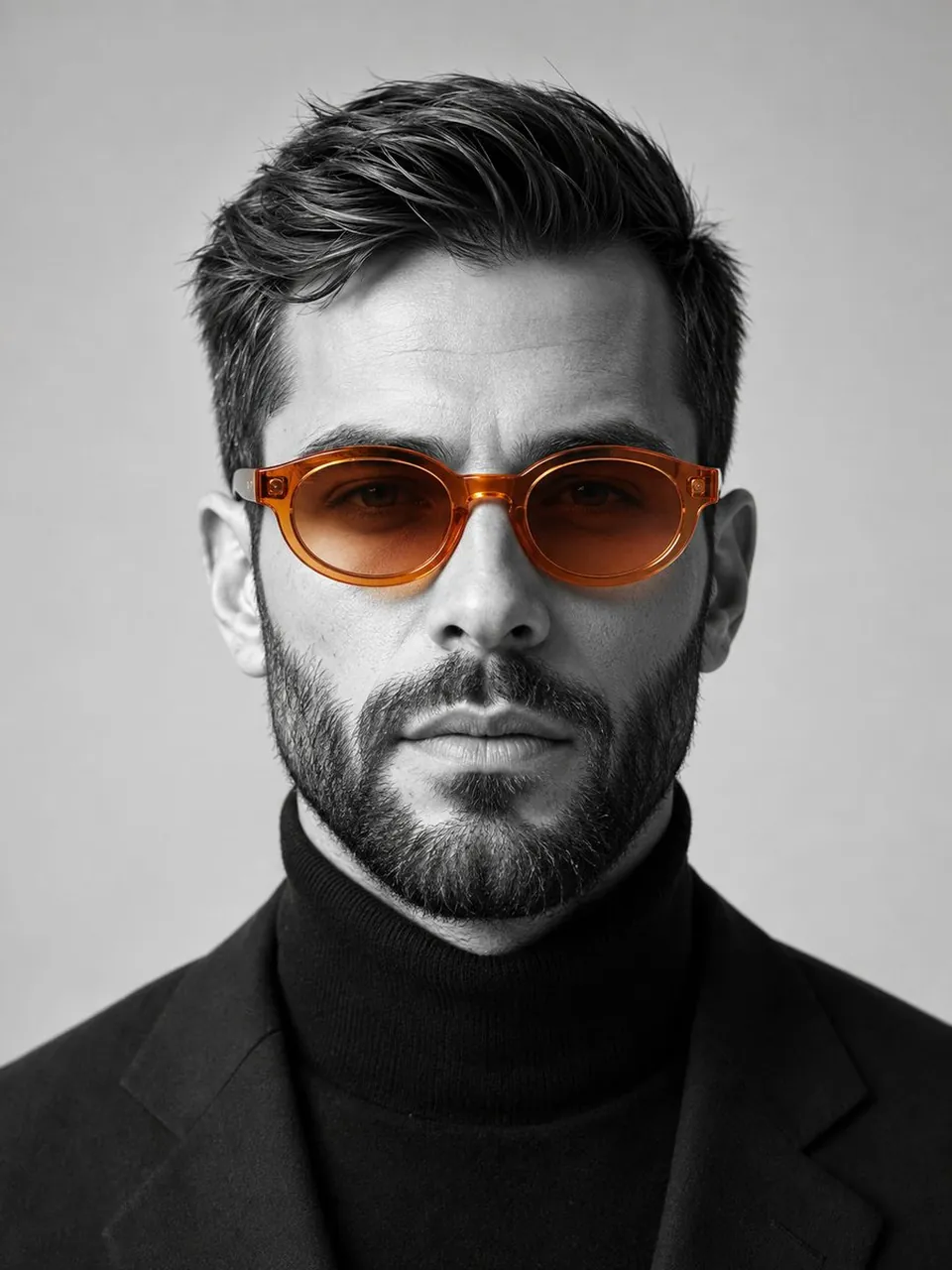
Create a striking studio portrait of a confident man facing the camera, wearing translucent amber-orange oval sunglasses with ice-gradient lenses. Render the portrait mostly in black and white while keeping only the sunglasses in vivid orange. Dress him in a black turtleneck against a minimalist light-grey background. Use an 85mm lens, f/2, soft directional studio lighting, realistic skin texture, crisp eyewear reflections, centered head-and-shoulders framing, editorial luxury mood, vertical 4:5 composition, no logo, no watermark, no extra text.
2. Retrato de terror gótico surreal
Caso de uso: arte de capa de álbum, capas de ficção de terror e campanhas editoriais sombrias.
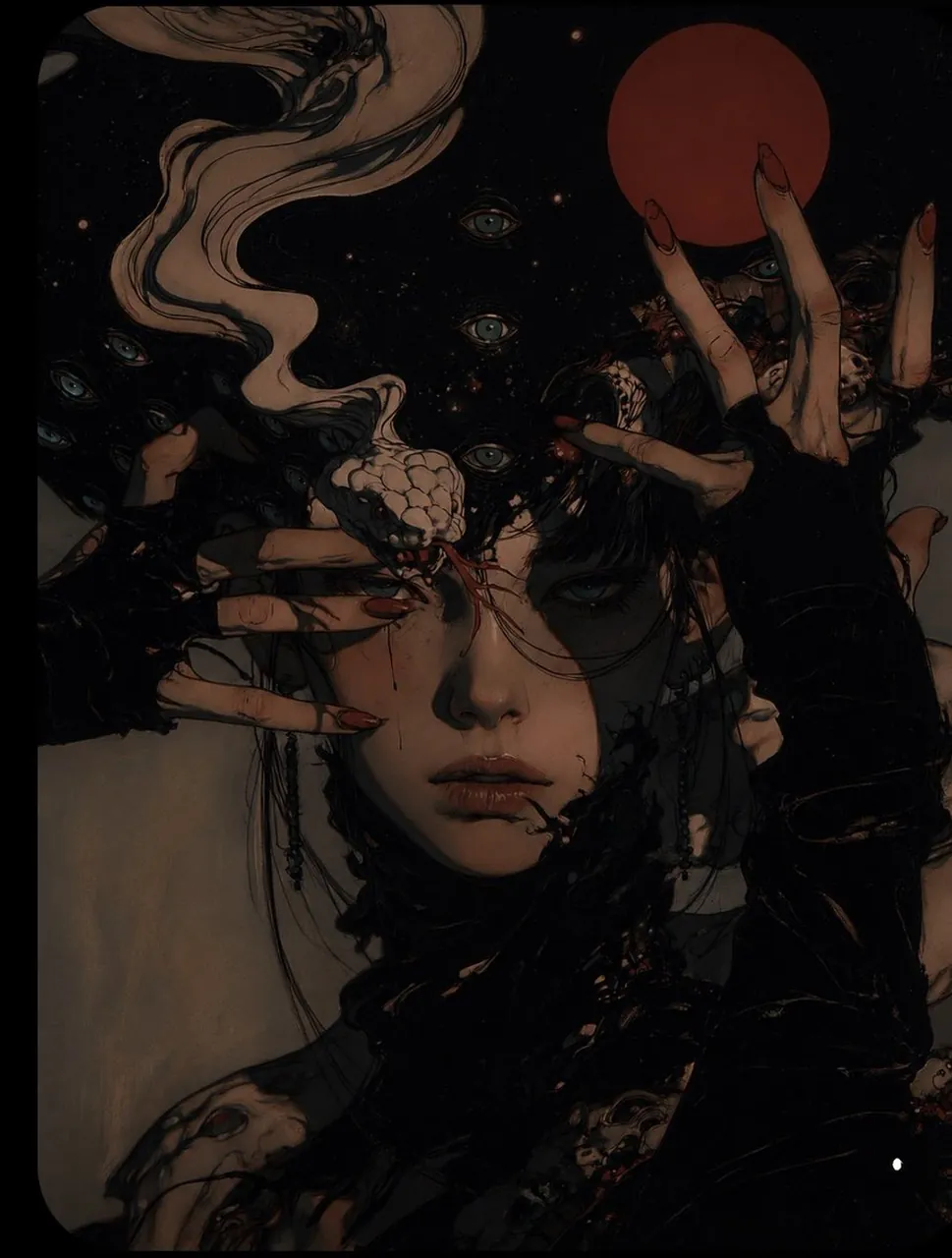
Create a cinematic surreal portrait of a pale young woman standing in a cosmic void. Surround her with elegant pale hands tipped with long crimson nails and a pale serpentine creature curling through the background. Add a glowing turquoise-eyed atmosphere and a deep red moon behind her. Use dark charcoal, dusty beige, muted teal, faded blue, and deep crimson, with low-key lighting, controlled negative space, realistic anatomy, dramatic 4:5 vertical framing, and no gore, logos, watermark, or random text.
3. Retrato de moda em pátio do sul da Ásia
Caso de uso: moda tradicional, narrativa cultural e campanhas de estilo de vida.
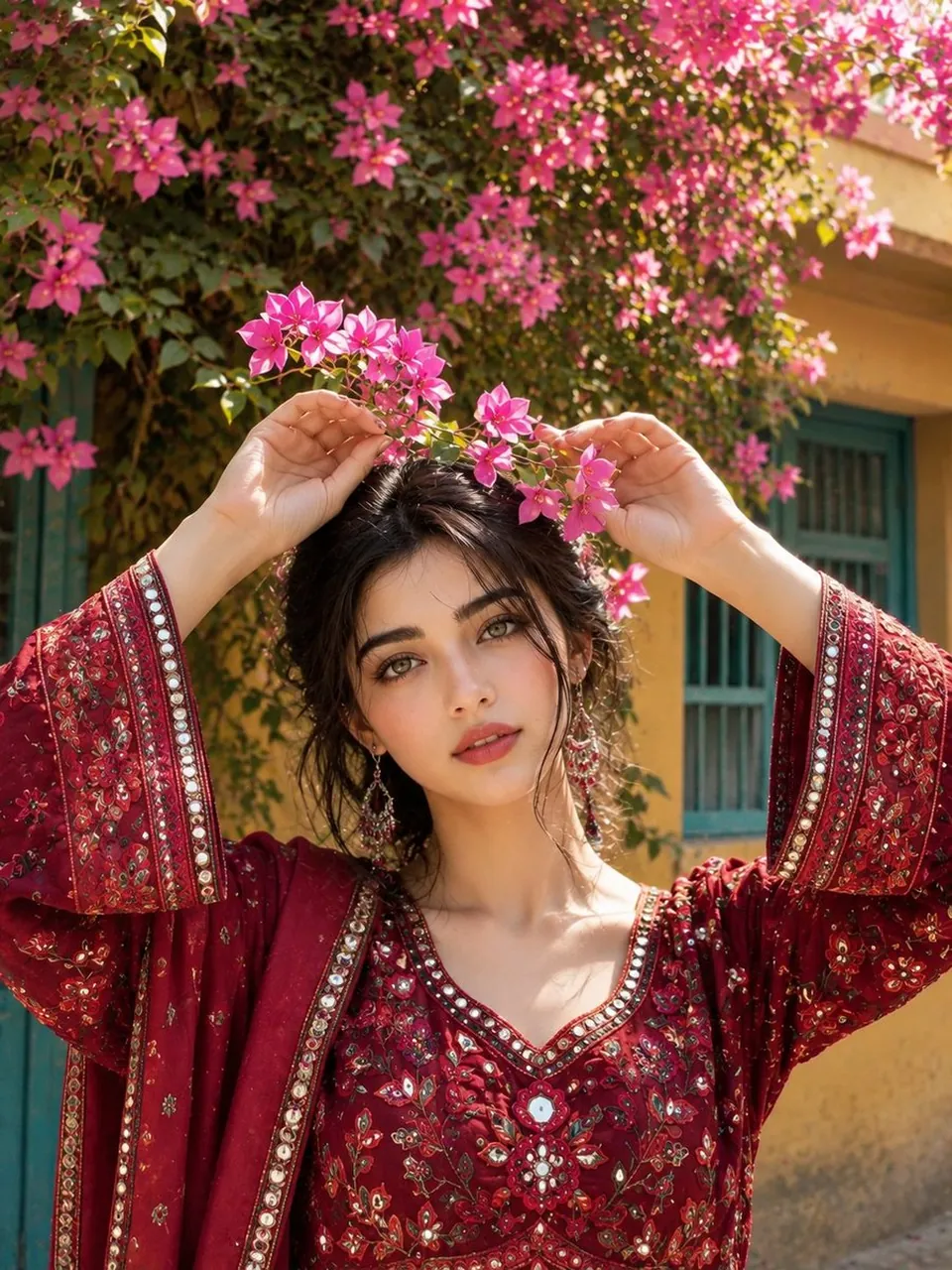
Create a photorealistic portrait of a stylish South Asian woman standing in a traditional courtyard filled with bougainvillea. She wears a deep-crimson embroidered outfit, with a flowering branch framing the top of the image. Include warm yellow walls, turquoise doors, textured stone, and soft natural daylight. Use an 85mm portrait lens, f/2, waist-up composition, realistic hands and anatomy, rich textile detail, gentle shadows, warm editorial color grading, vertical 3:4, no modern logos, no watermark, no extra text.
4. Selfie aconchegante de quarto tarde da noite
Caso de uso: criadores de jogos, blogs de estilo de vida e conteúdo de perfil social.
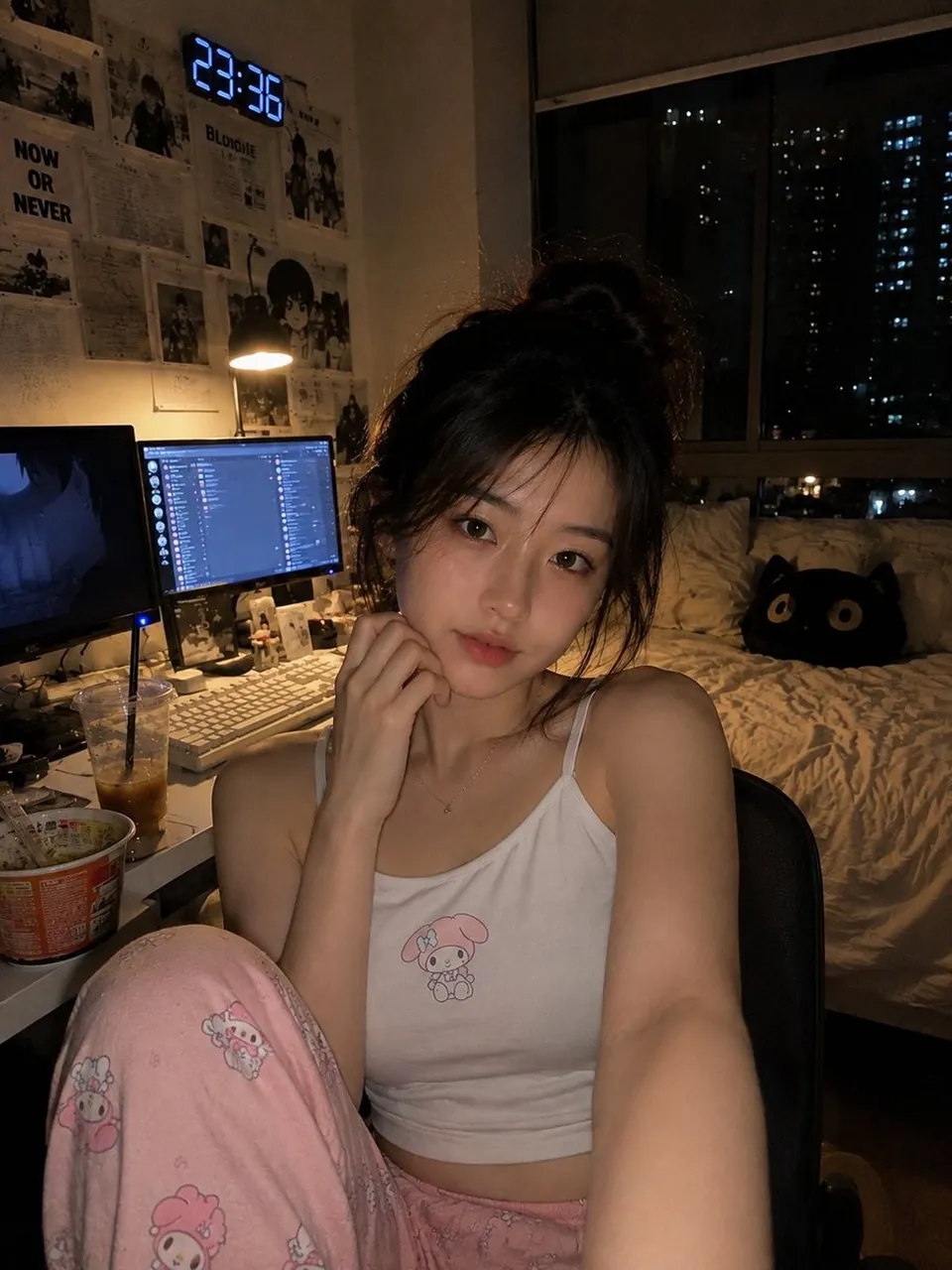
Create a photorealistic vertical late-night bedroom selfie of a young East Asian woman relaxing in a desk chair beside a gaming and study setup. She wears a white camisole with a small cute graphic and soft pink pajama pants. Include dual monitors, a warm desk lamp, an iced coffee, instant noodles, a bed, a cat pillow, monochrome posters, and a city window at night. Use monitor glow and warm ambient light, natural skin texture, handheld smartphone framing, lived-in details, subtle grain, realistic proportions, 4:5 vertical, no readable random text or watermark.
5. Retrato de viagem em córrego de montanha
Caso de uso: fotografia de viagens, marcas de atividades ao ar livre e campanhas sociais de verão.
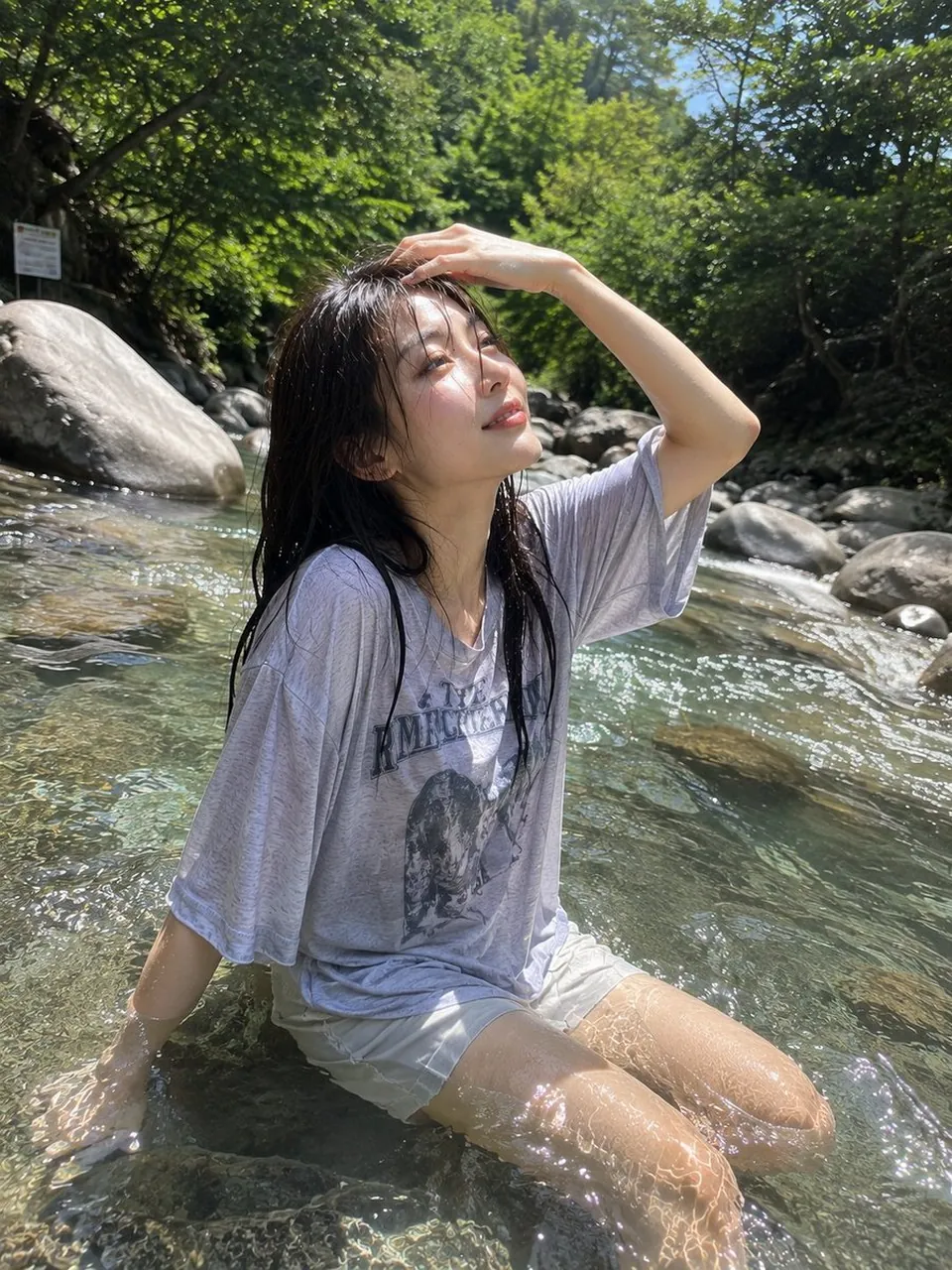
Create an authentic smartphone travel photograph of a young East Asian woman sitting in a clear shallow mountain stream on a bright summer day. Her dark hair is naturally wet, and she wears a loose light-grey sweatshirt with casual shorts. Show transparent water, realistic ripples, smooth rocks, lush forest vegetation, sparkling droplets, and dappled sunlight across her face. Use a slightly low camera angle close to the water surface, natural wide-angle perspective, vibrant but realistic greens and blues, peaceful mood, vertical 4:5, no studio lighting, no plastic skin, no watermark.
6. Retrato de luxo em esmeralda e ouro
Caso de uso: branding pessoal premium, moda masculina e capas de revistas.
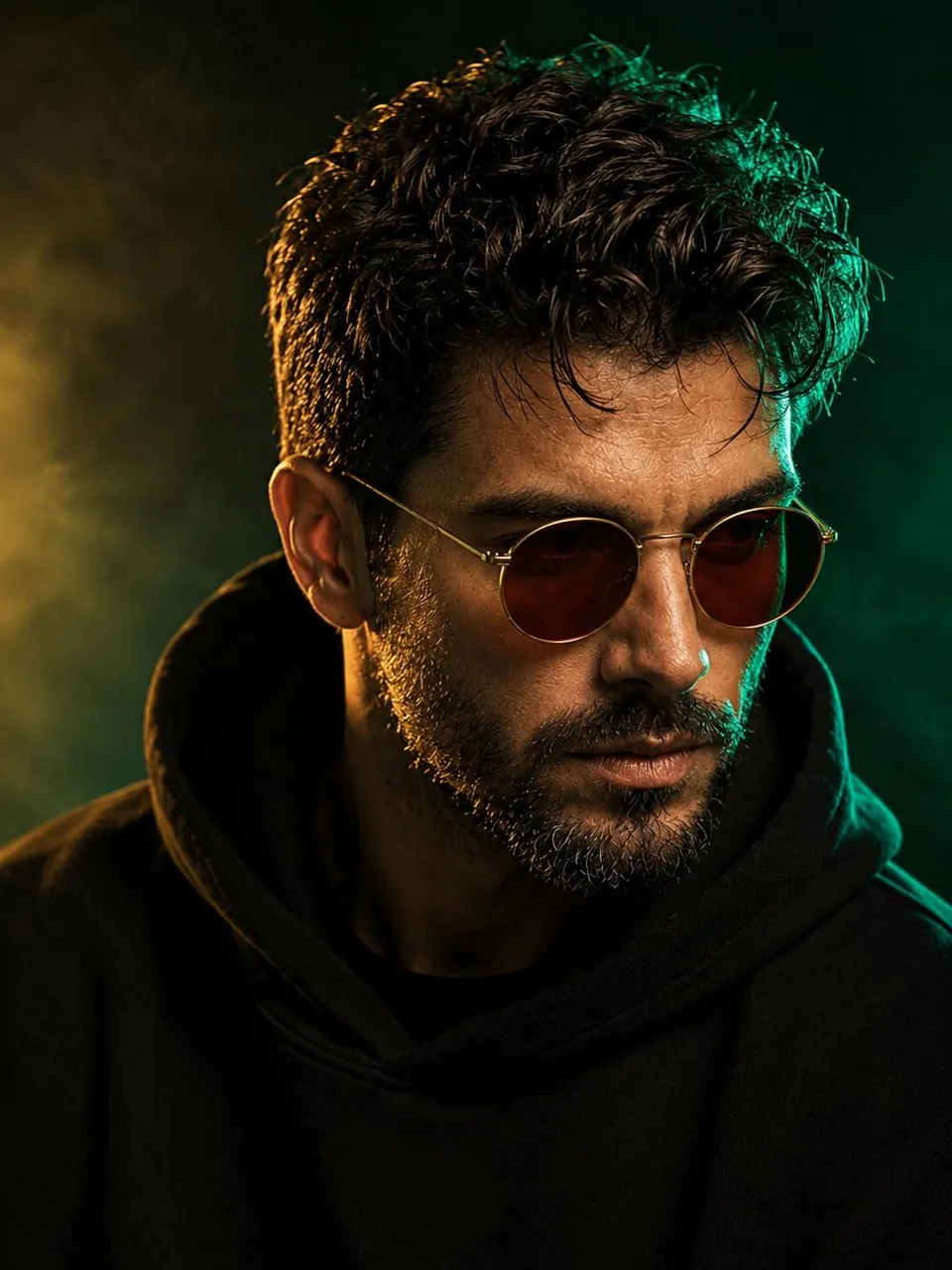
Create a cinematic close-up portrait of a stylish middle-aged man with thick naturally curly dark hair and a neatly trimmed salt-and-pepper beard. He wears round amber-brown sunglasses and a black oversized hoodie. Add a rich emerald rim light on the right side of his face and a soft warm-gold key light from the front. Use a smoky emerald-to-black studio background, realistic beard hairs, natural facial imperfections, shallow depth of field, 85mm lens, f/1.8, centered 3:4 composition, no logo, no watermark, no extra text.
7. Corte de retrato de terror com divisão facial mais justa
Caso de uso: pôsteres de terror, arte conceitual de jogos e miniaturas dramáticas.
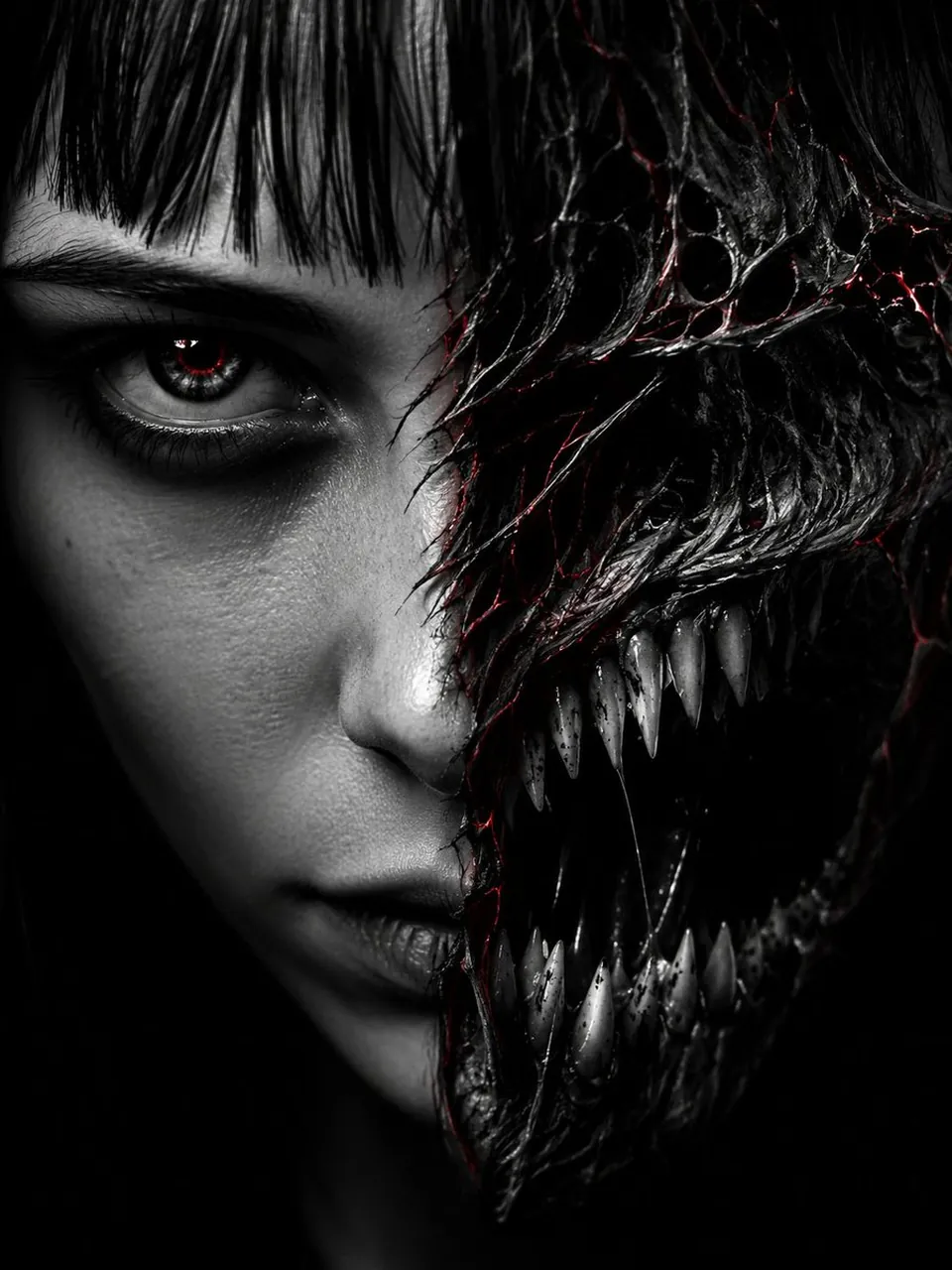
Create an extreme close-up split-face horror portrait cropped from the hairline to the chin. The left half is a pale human face with blunt bangs and a sharp dark eye; the right half transforms into a monstrous jaw with jagged teeth and a black void mouth. Add fine red glowing cracks along the transformation seam and one blood-red catchlight. Use a pure black background, high-contrast single-source rim lighting, hyper-detailed skin and teeth, direct eye contact, 9:16 vertical composition, no gore splashes, no watermark, no random text.
8. Retrato de moda cinético com fundo vermelho
Caso de uso: campanhas de streetwear, moda experimental e pôsteres inspirados em movimento.
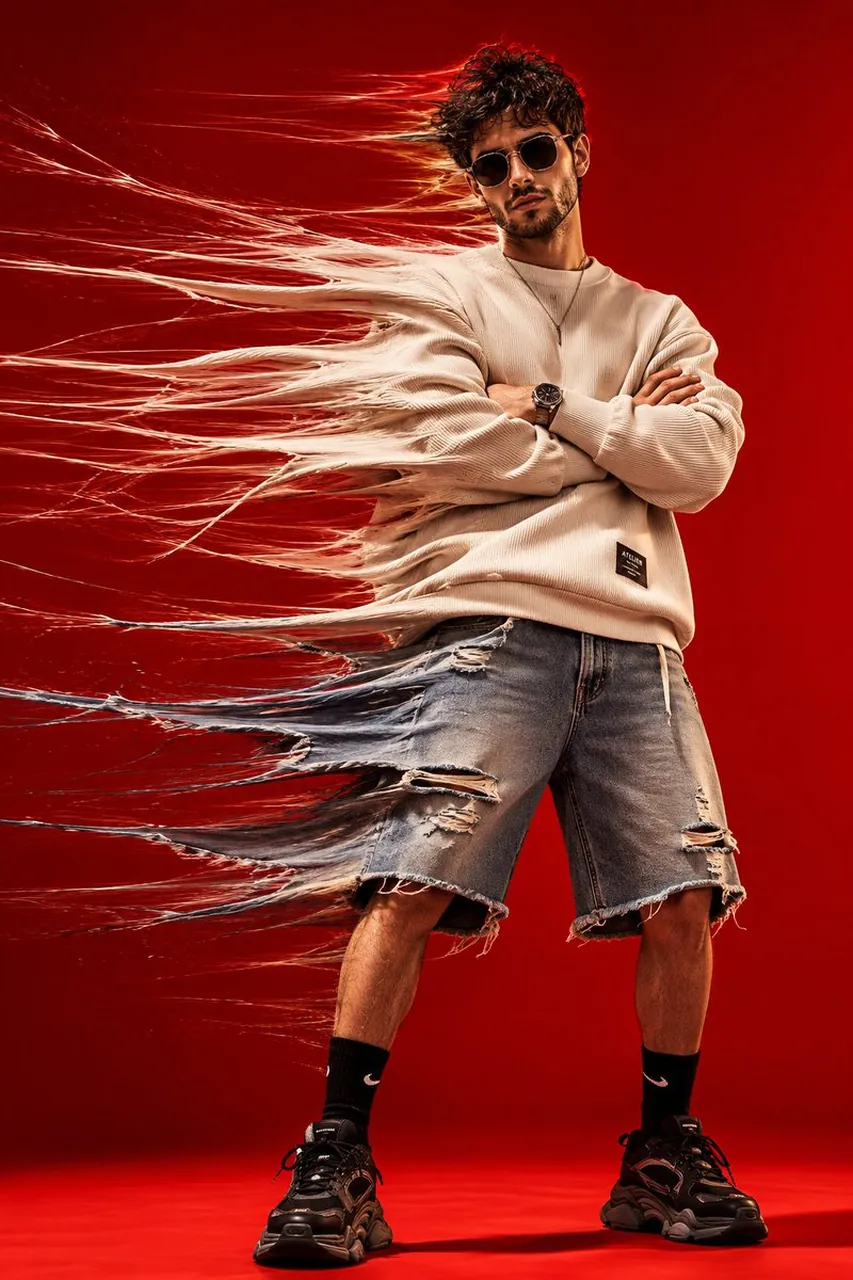
Create a photorealistic full-body fashion portrait of a stylish young man standing against a seamless vivid-red studio background. He wears an oversized cream ribbed sweatshirt, distressed denim shorts, black socks, chunky sneakers, a simple necklace, and dark futuristic sunglasses. Stretch the left side of his clothing into translucent textile fibers and motion trails while keeping his face, crossed arms, legs, and shoes sharp. Use strong studio light, realistic fabric texture, dramatic shadows, 35mm fashion photography, analog grain, vertical 4:5, no distorted anatomy, no logos, no extra text.
9. Close-up de beleza fantástica em escamas de cristal
Caso de uso: campanhas de beleza, retratos de fantasia e arte de perfil social.
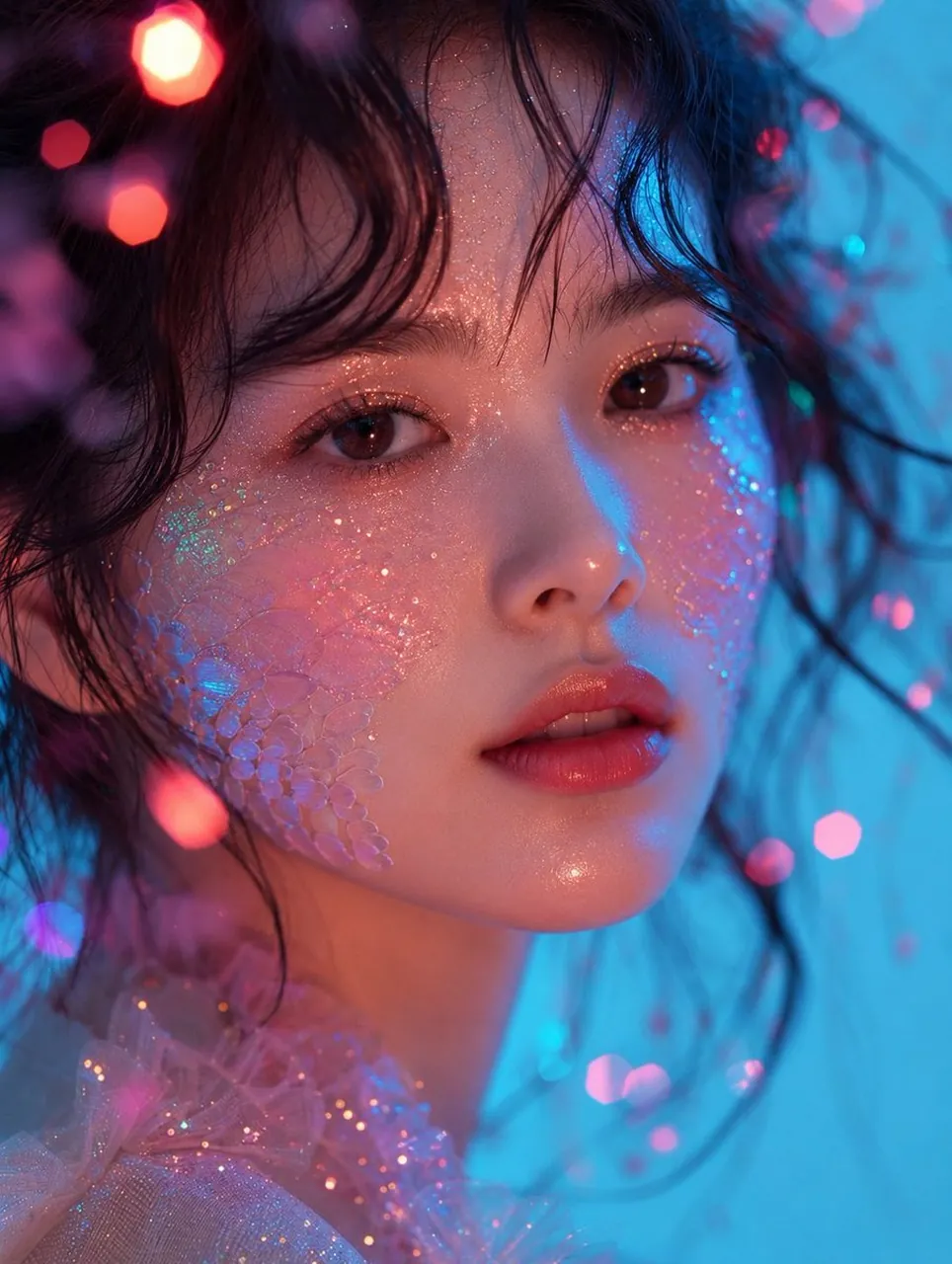
Create an ultra-realistic extreme close-up beauty portrait of a young East Asian woman with luminous skin, warm brown eyes, coral-pink lips, loose black waves, and dewy makeup. Blend translucent iridescent crystal-scale texture naturally into both cheeks, with fine holographic glitter across the face. Use cyan-blue key light from the right, warm pink fill from the left, pastel bokeh, volumetric glow, sparkling particles, translucent pink tulle, realistic pores, 85mm macro lens, f/1.4, editorial luxury mood, no text, no watermark.
10. Retrato de luxo silencioso à beira-mar
Caso de uso: moda resort, revistas de viagens e campanhas de estilo de vida.
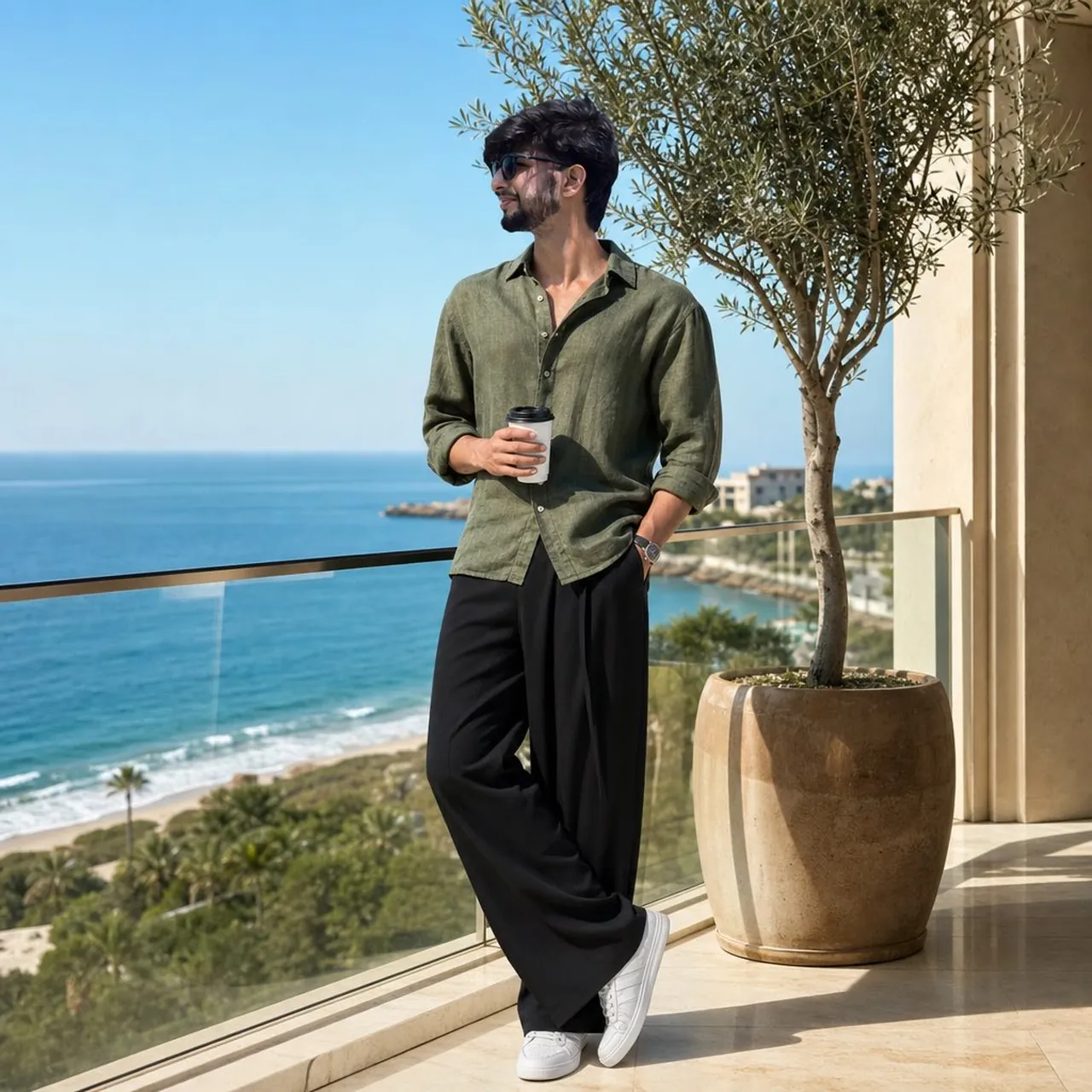
Create an ultra-realistic full-body fashion portrait of a young man on a modern oceanfront balcony in bright morning sunlight. He wears an olive-green linen shirt, oversized black trousers, white minimalist sneakers, and black sunglasses. One hand holds a takeaway coffee while the other rests in his pocket. Include cream architecture, polished marble, a glass railing, a potted olive tree, deep-blue ocean, sandy beach, and clear sky. Use relaxed quiet-luxury styling, natural shadows, 85mm lens, f/2.8, realistic reflections, vertical 4:5, no logo or watermark.
11. Retrato cinematográfico de lowrider clássico
Caso de uso: cultura automotiva, arte musical e branding de streetwear.
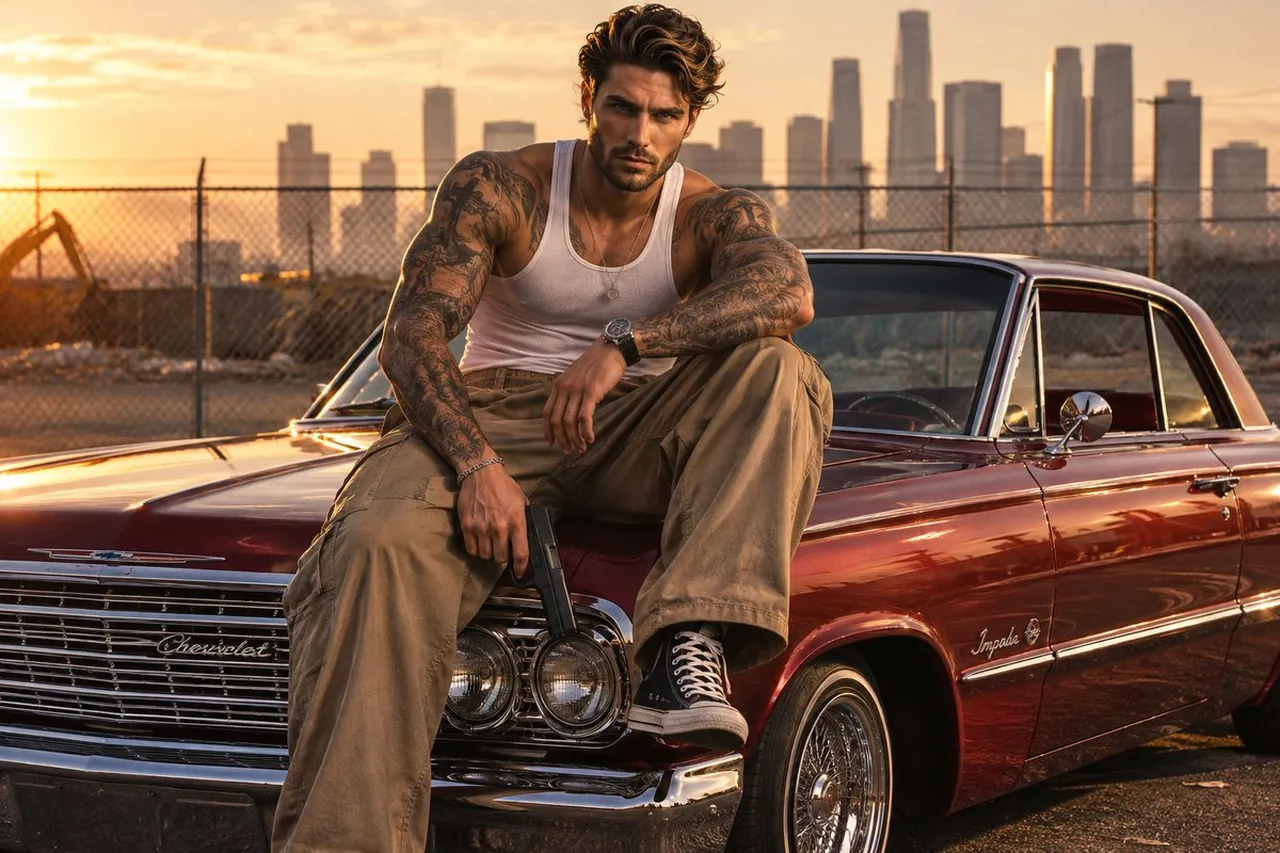
Create a cinematic golden-hour portrait of a tattooed man seated on the hood of a cherry-red 1960s lowrider. Show a white ribbed tank top, tan cargo pants, detailed tattoos, gleaming chrome, reflective candy paint, a dusty asphalt lot, a chain-link fence, and a hazy downtown skyline. Use strong leading lines from the car and fence, shallow depth of field, warm directional light, natural shadows, rich 35mm film grain, realistic skin and fabric, balanced composition, no weapons, no random logos, no extra text.
12. Diptíquo vetorial plano editorial
Caso de uso: capas de revistas, perfis criativos e sistemas de identidade de marca.
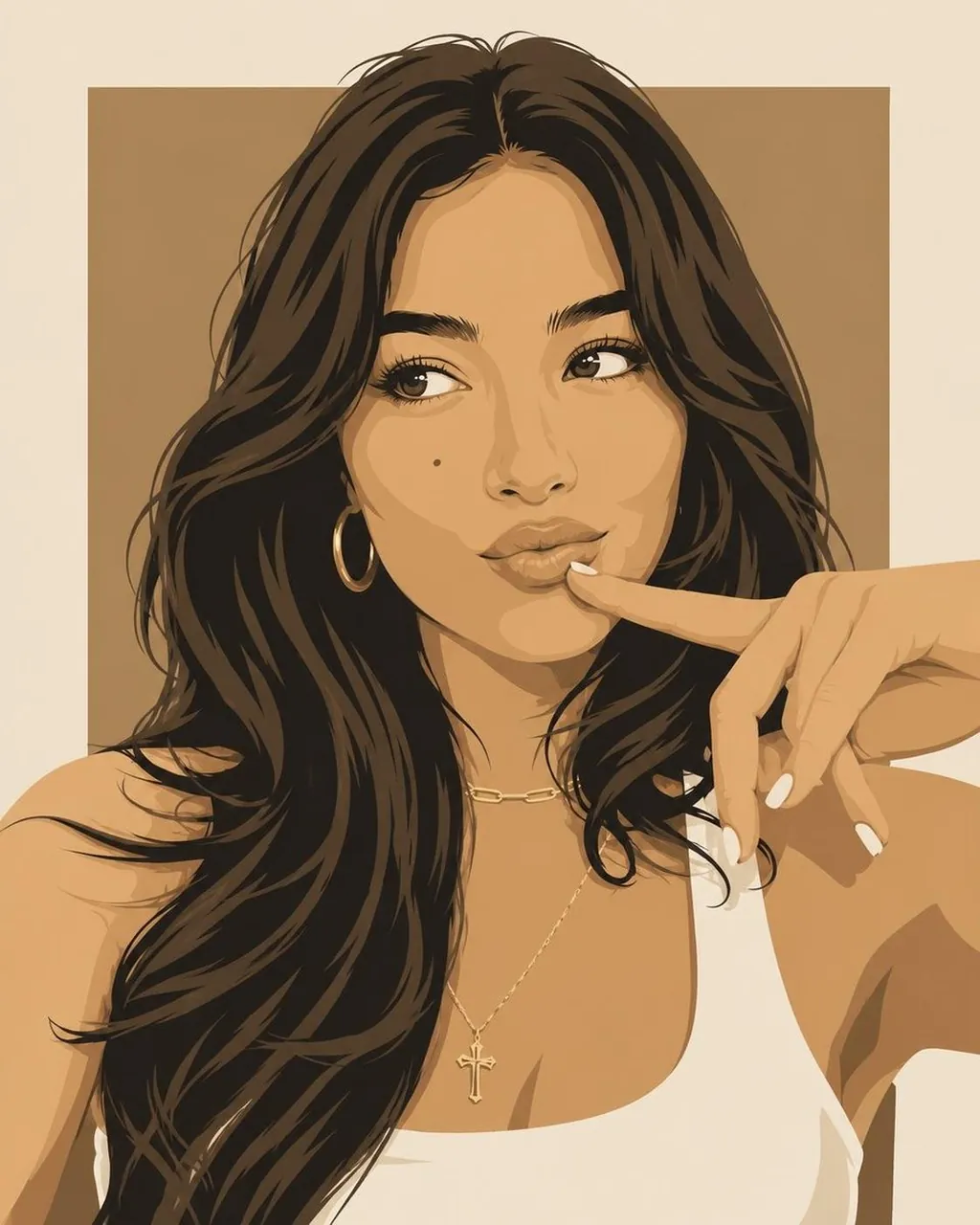
Create a cohesive diptych-style editorial illustration with two close-up portraits in the same modern flat-vector fashion aesthetic. Give the woman flowing dark hair, gold hoops, layered necklaces, and a white sleeveless top; give the man textured platinum-blond hair and an oversized white crew-neck shirt. Use geometric facial planes, crisp linework, subtle tonal shading, a warm tan panel behind the woman, a bold red panel behind the man, and a shared ivory canvas. Luxury magazine style, clean color blocking, vertical 4:5, no photorealism, no 3D rendering, no text, no logos.
13. Família viajante em webtoon coreano
Caso de uso: turismo, viagens em família e cartões postais ilustrados.
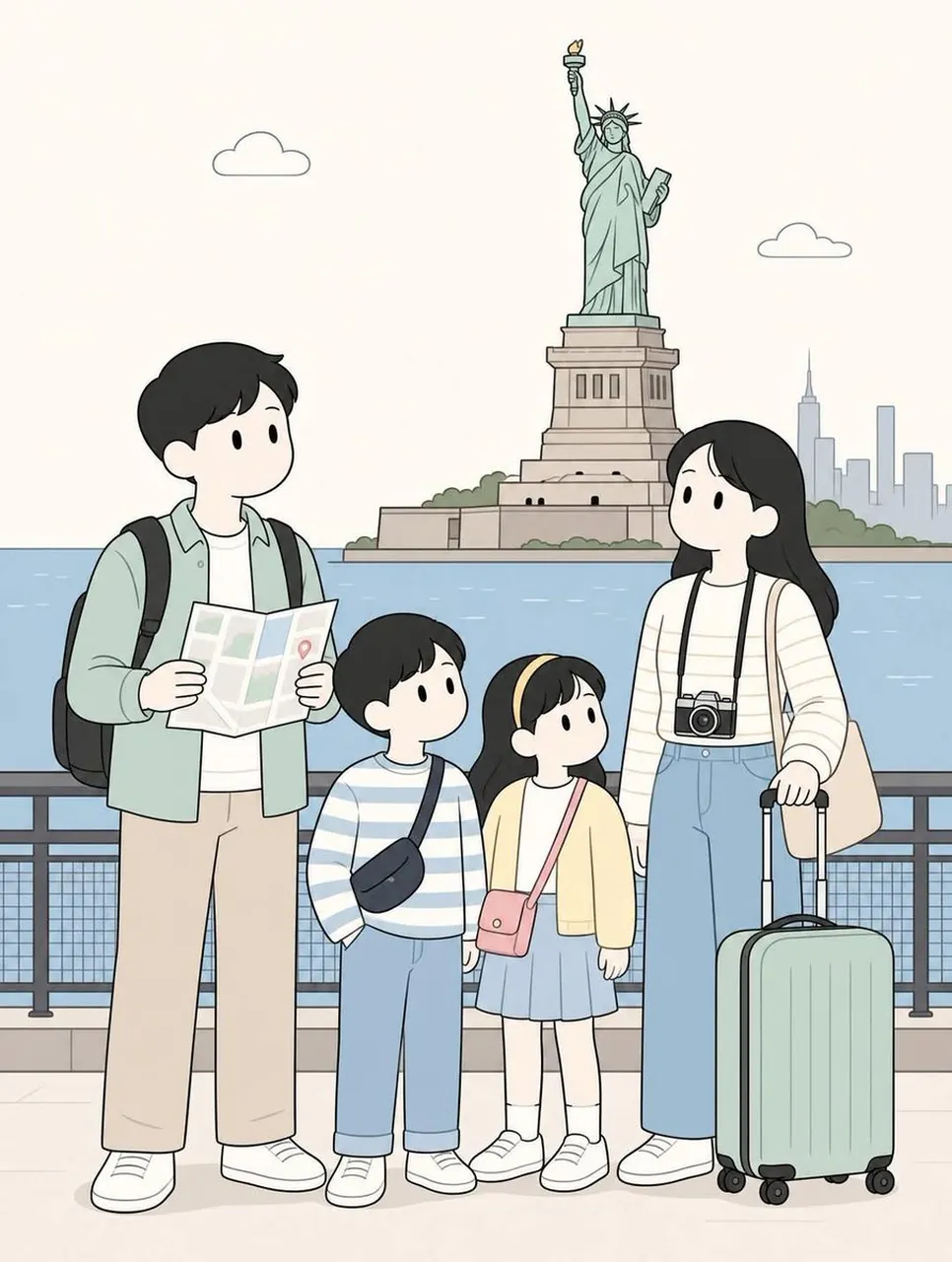
Create a soft minimalist Korean webtoon illustration of a traveling family of two parents and two children exploring [BACKGROUND]. Use cute simplified faces, thin clean line art, muted beige, sage green, dusty blue, cream, and light pink, rounded proportions, flat shading, and a cozy travel-journal mood. The father carries a backpack and folded map; the mother carries a camera or shoulder bag. Use full-body vertical 4:5 composition, family in the foreground, open space around them, balanced landmarks, optional location title at the top, no clutter, no random text.
14. Variação de estúdio com óculos de sol âmbar
Caso de uso: narrativa de produtos de óculos e conceitos de campanhas monocromáticas.
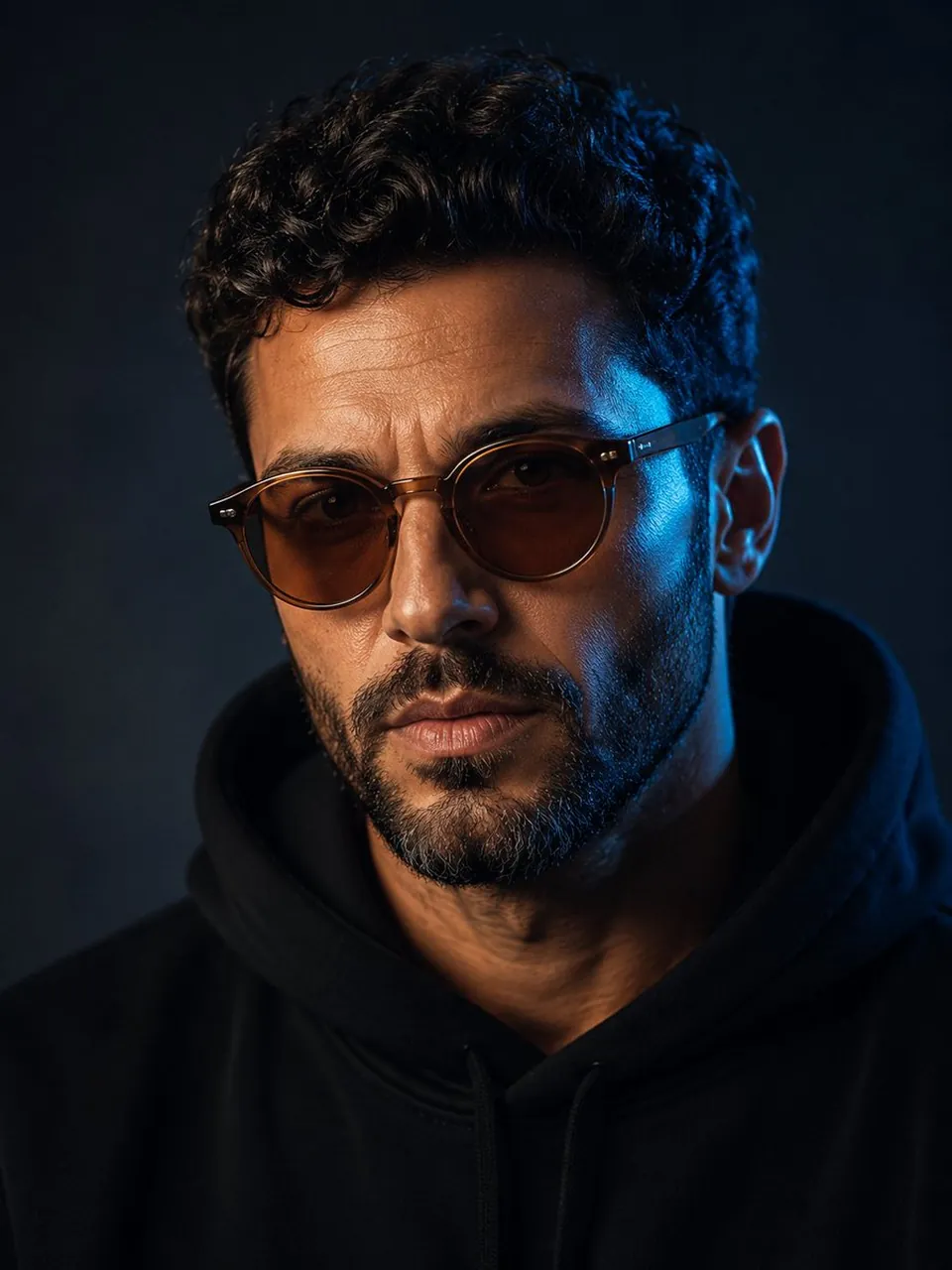
Create a refined head-and-shoulders studio portrait of a mature man with curly dark hair and a short salt-and-pepper beard. Keep the portrait nearly monochrome, but make the round amber sunglasses the single saturated color accent. Use a dark blue-grey background, soft frontal light, a subtle cool rim light, crisp lens reflections, natural skin texture, and a quiet luxury editorial mood. Center the subject with clean negative space, 85mm portrait lens, f/1.8, vertical 3:4, no logo, no watermark, no extra text.
5.2 Adaptações adicionais de casos públicos do GoEnhance
15. Composição de cidade com rigorosa fidelidade ao prompt
Caso de uso: conceitos imobiliários, pôsteres de cidades e testes de layout.
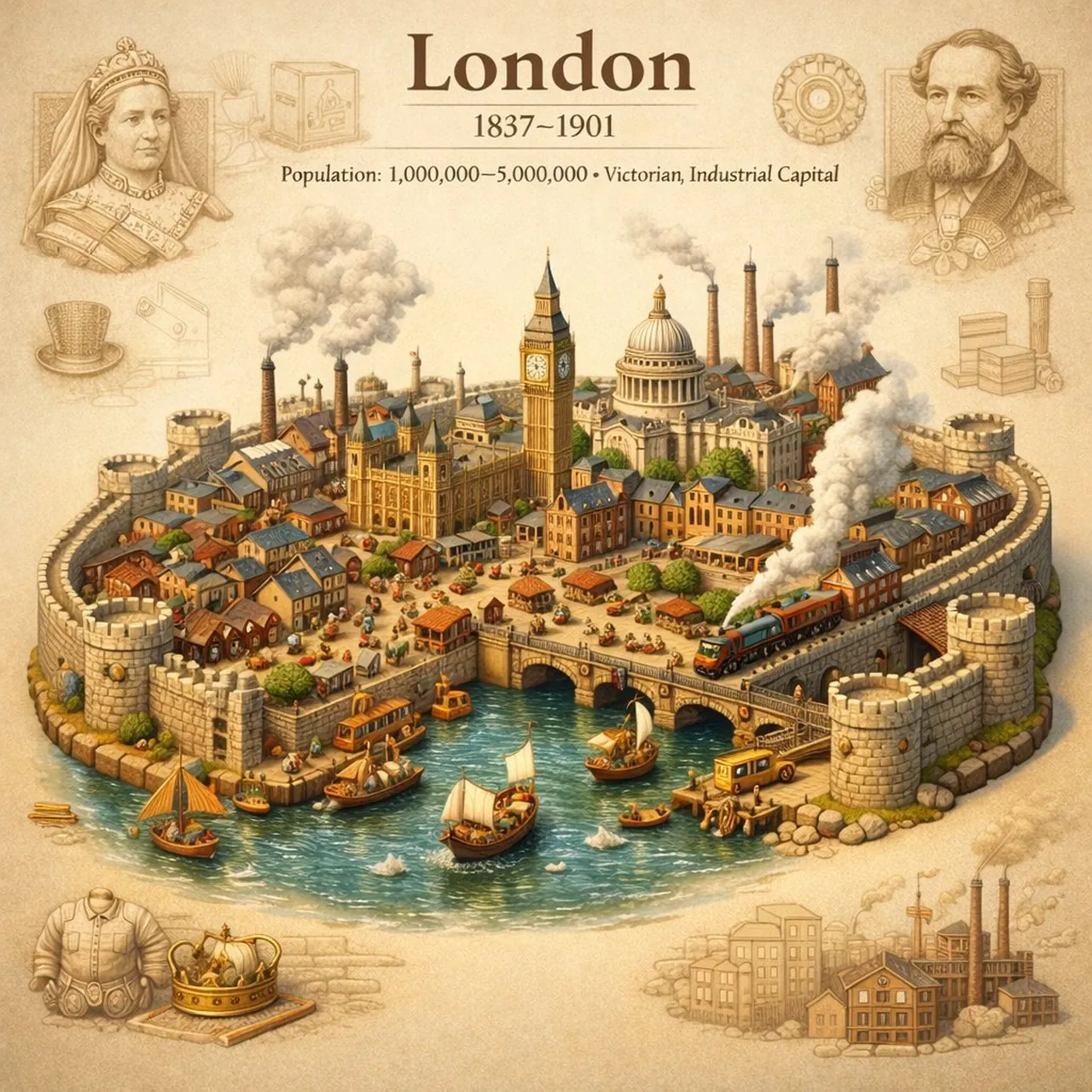
Create a clean photorealistic city composition designed to test precise layout adherence. Place a recognizable skyline in the middle distance, a broad empty foreground, and clearly separated architectural blocks on the left and right. Keep the horizon level, preserve generous negative space in the upper third, and use soft daylight, realistic scale, crisp edges, and restrained neutral colors. Use a wide 16:9 composition, no tilted perspective, no duplicated buildings, no random signs, no watermark.
16. Foto profissional médica para currículo/perfil
Caso de uso: sites de clínicas, perfis de saúde e conteúdo educacional.
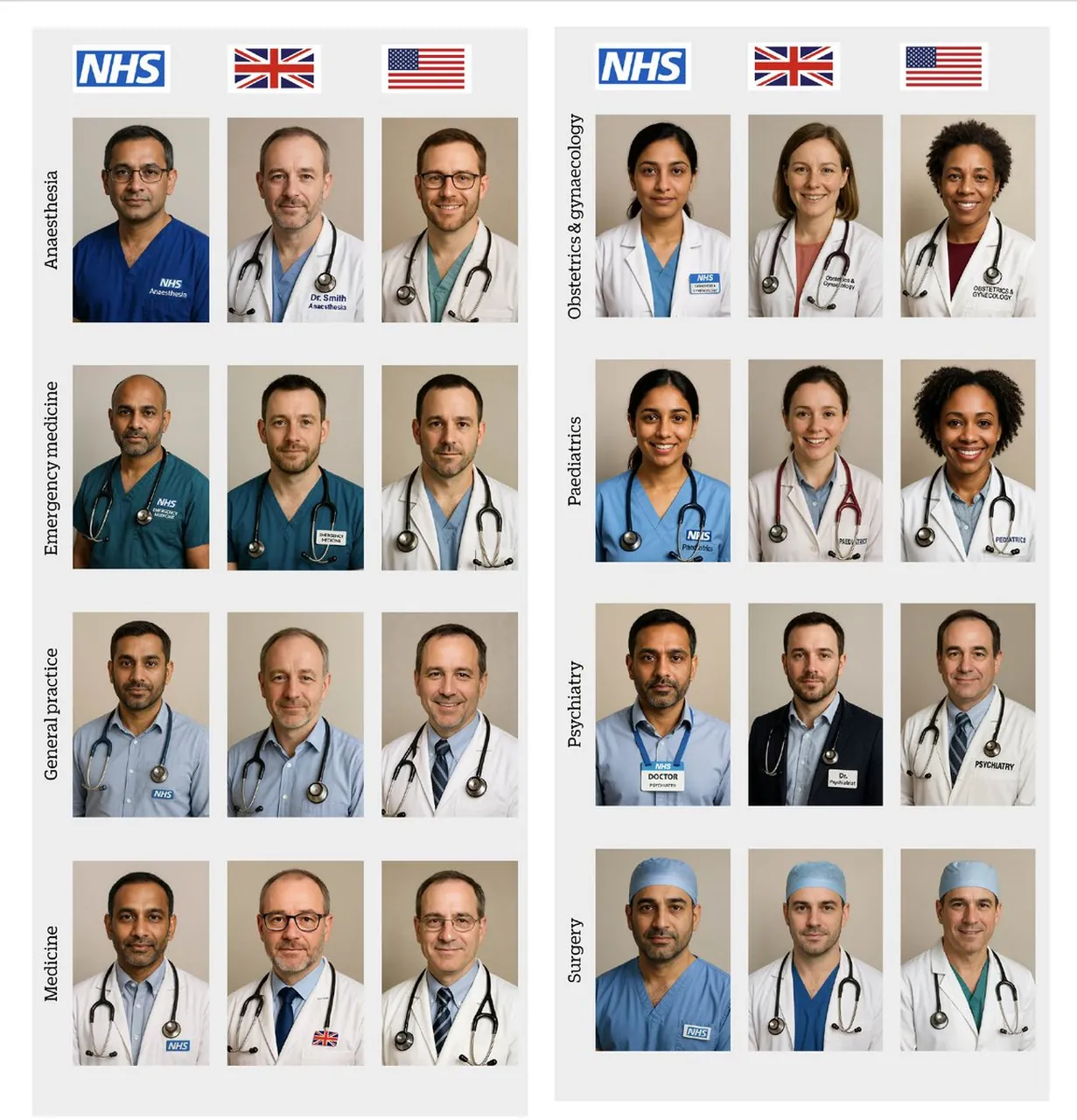
Create a professional photorealistic headshot of a friendly doctor specializing in [SPECIALTY]. Use a clean neutral background, a white coat over understated professional clothing, natural eye contact, relaxed shoulders, and a credible approachable expression. Use soft key light, subtle fill, realistic skin texture, accurate hands if visible, 85mm portrait perspective, centered waist-up framing, clean healthcare branding, vertical 4:5, no medical claims, no readable patient information, no logo, no watermark.
17. Cena de ação em portal de neon
Caso de uso: arte-chave de jogos, conceitos de filmes e miniaturas de ação.
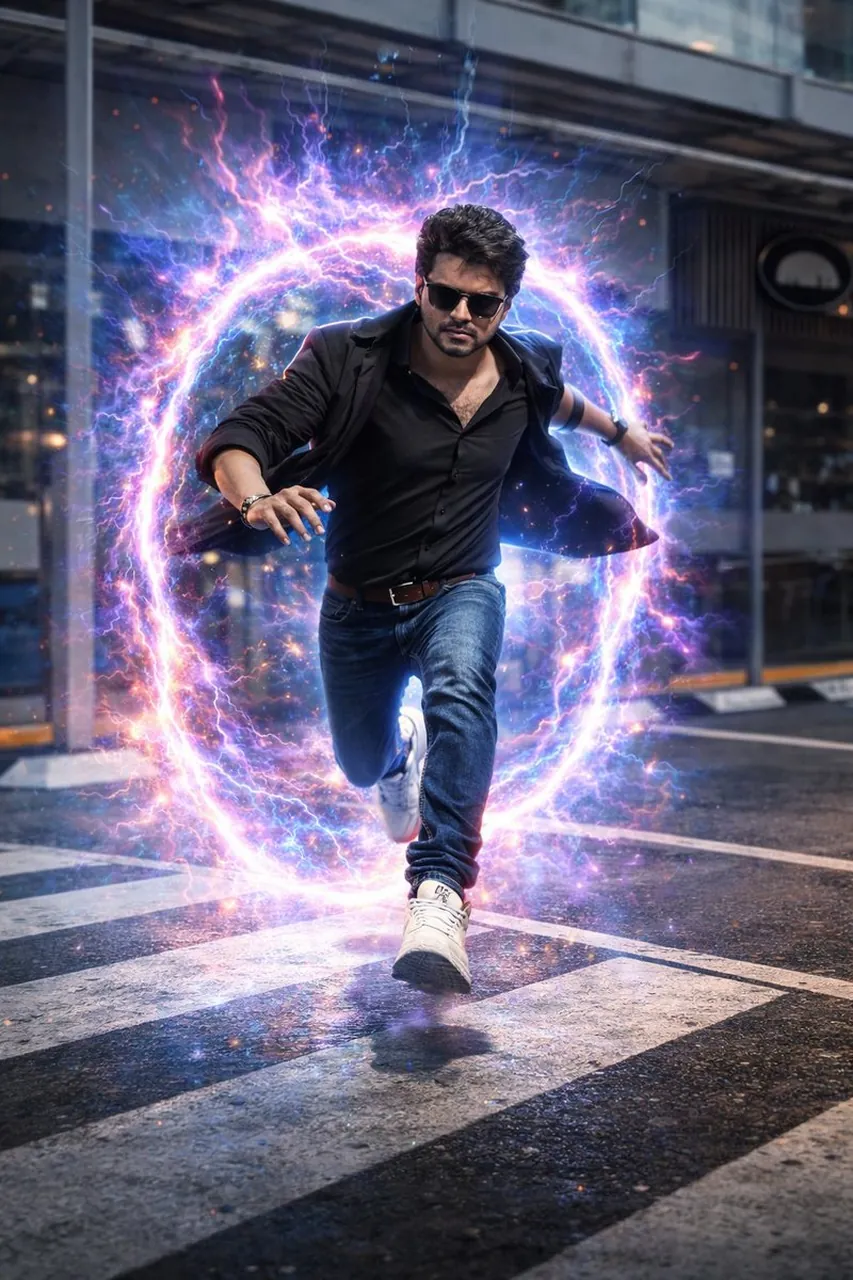
Transform a supplied portrait into a hyper-realistic cinematic action scene on a rain-slicked urban street. Place a glowing dimensional neon portal behind the subject, with cyan and magenta light reflecting across wet pavement and nearby architecture. Keep the subject’s identity, face, clothing, and proportions consistent. Use a low-angle 35mm composition, controlled motion blur, atmospheric rain, strong rim lighting, realistic reflections, high contrast, 16:9 landscape, no extra limbs, no random text, no watermark.
18. Cena matinal em lago de lótus
Caso de uso: arte de meditação, conteúdo de bem-estar e pôsteres da natureza.
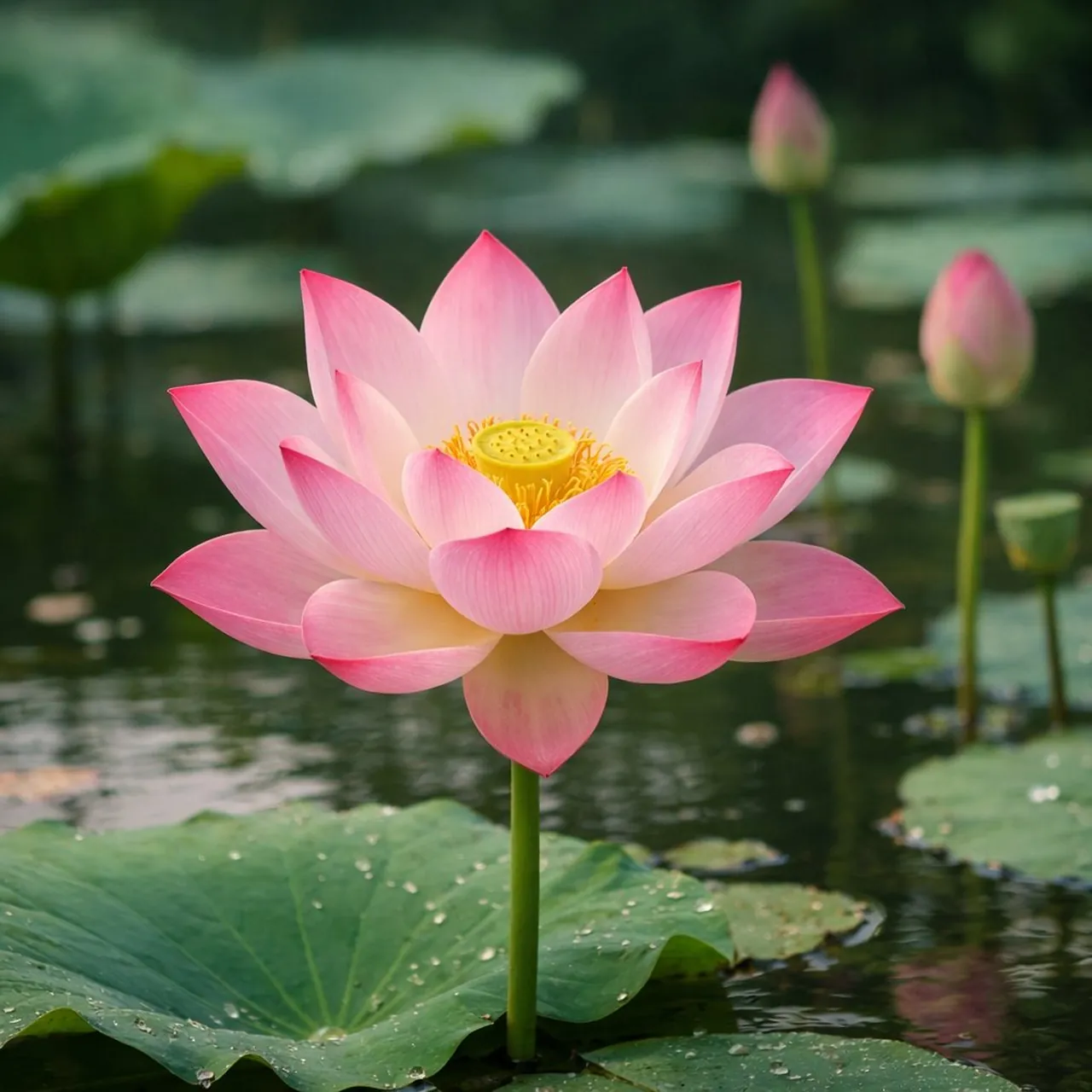
Create a serene photorealistic lotus pond at early morning. Place several pink and white lotus flowers above broad green leaves, with delicate mist hovering over still water and soft mountains fading into the background. Use gentle sunrise light, pastel peach and sage tones, realistic water reflections, fine petal texture, balanced negative space, and a calm contemplative atmosphere. Use a vertical 4:5 composition, no people, no text, no artificial neon colors, no watermark.
19. Transformação de retrato restaurado
Caso de uso: restauração de fotos de família, projetos memoriais e arquivos pessoais.
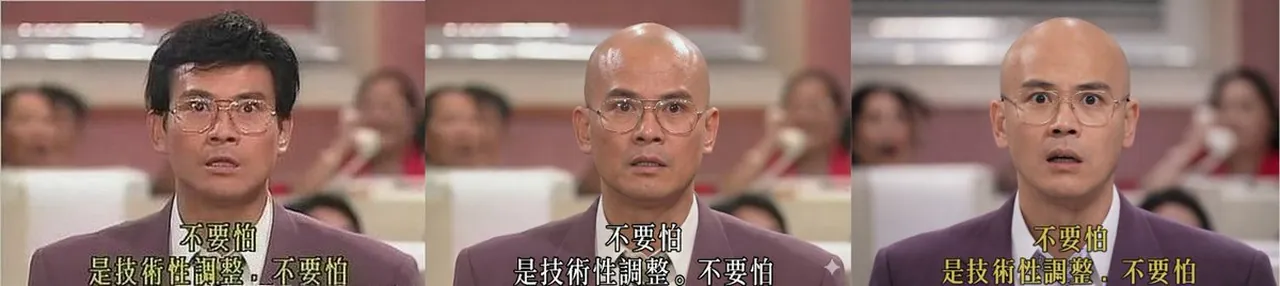
Restore the supplied vintage portrait while preserving the person’s identity, facial structure, expression, clothing, and original pose. Remove scratches, dust, fading, and color damage; rebuild missing detail conservatively and improve contrast with a natural film palette. If the brief requests a hairstyle transformation, change only the hair while keeping the face and age consistent. Use realistic skin texture, period-appropriate color, gentle sharpening, and a clean archival finish. No beauty-filter effect, no new accessories, no altered facial features, no watermark.
20. Bordado e esboço com caneta esferográfica
Caso de uso: marcas de artesanato, educação artística e arte editorial de mídia mista.
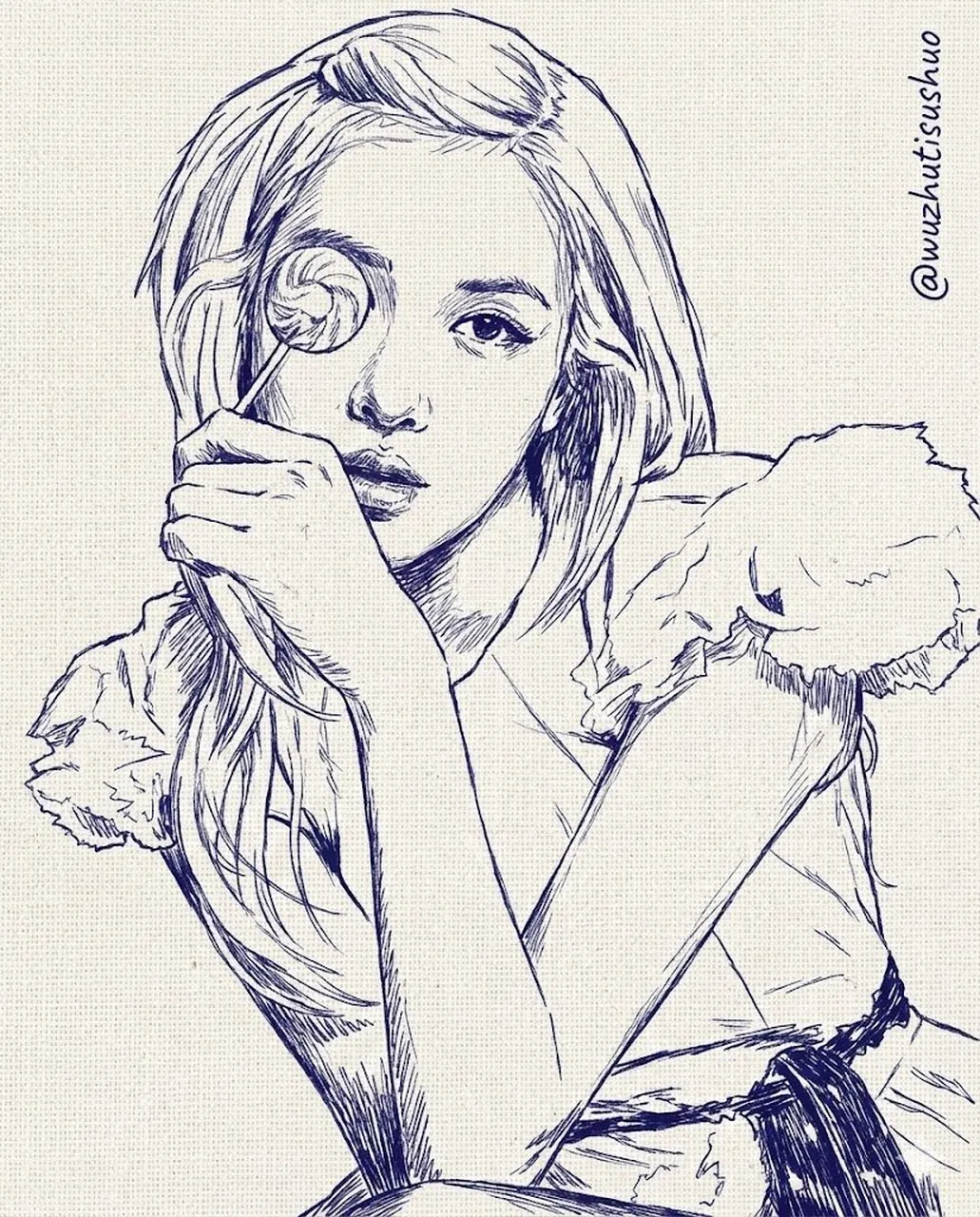
Create a mixed-media portrait combining fine blue ballpoint-pen hatching with raised embroidery details. Use a simple central subject, visible paper fibers, stitched floral accents, delicate thread shadows, and carefully controlled line density. Keep the composition editorial and uncluttered, with a warm cream paper background and restrained indigo, coral, and mustard accents. Show the physical material contrast clearly, use vertical 4:5 framing, no photorealistic skin, no random lettering, no watermark.
21. Edição de substituição de personagem
Caso de uso: storyboarding, desenvolvimento de conceitos de jogos e design de personagens.
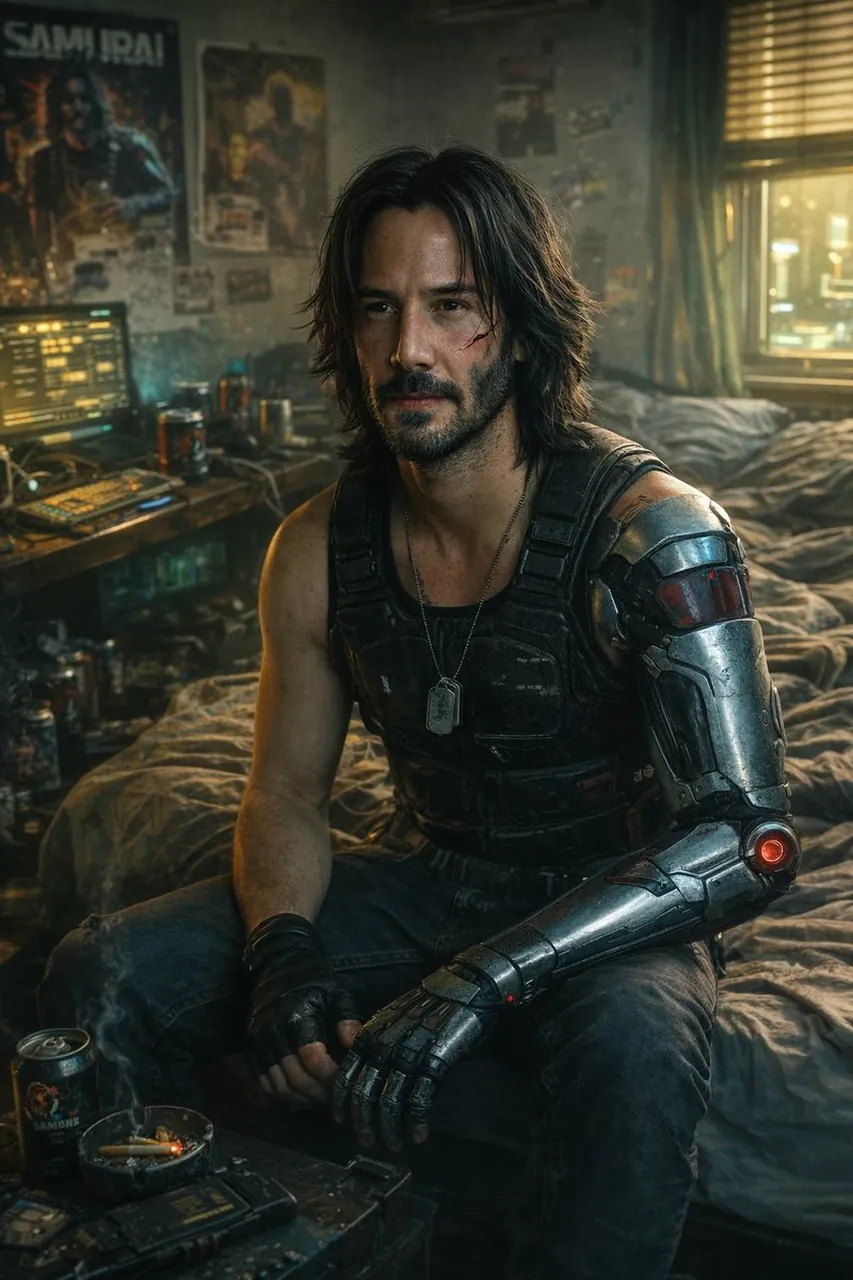
Edit the supplied scene by replacing only the main character with [NEW CHARACTER]. Preserve the original camera angle, pose, lighting direction, environment, perspective, shadows, and all unchanged background objects. Match the new character’s scale, contact shadows, clothing texture, and color grade to the scene. Keep the same framing and aspect ratio. Do not alter the architecture, props, sky, or composition; no extra characters, logos, text, or watermark.
22. Retrato de transmissão emocional
Caso de uso: capas de ficção, narrativa de campanhas e retratos editoriais.
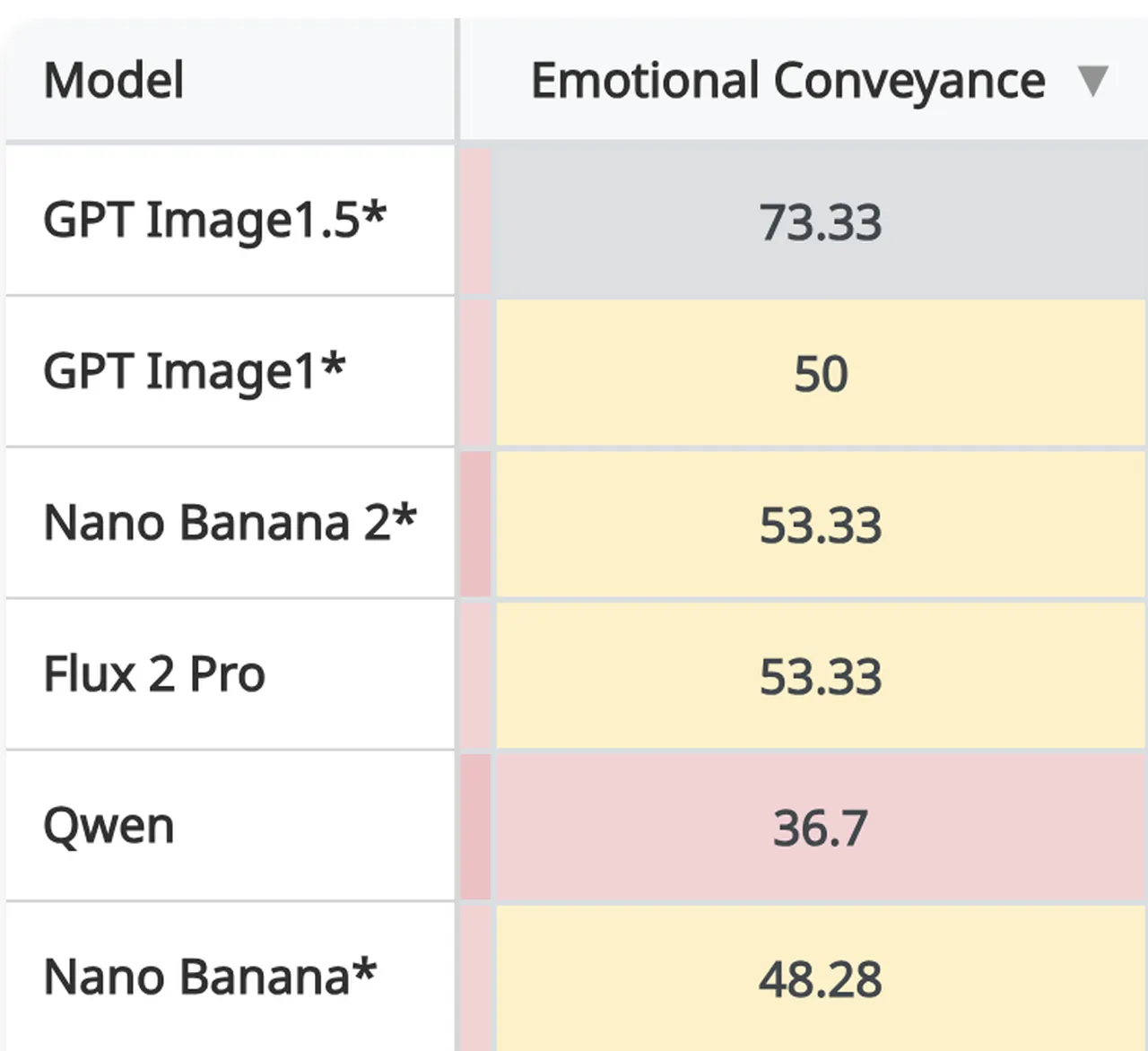
Create a cinematic portrait that communicates [EMOTION] through posture, eye direction, facial tension, hand placement, and surrounding light rather than exaggerated expressions. Place the subject in a simple atmospheric environment with one meaningful prop, soft directional lighting, subtle color contrast, and realistic material detail. Use a medium close-up, shallow depth of field, natural anatomy, quiet visual hierarchy, and a 4:5 vertical frame. Avoid melodrama, plastic skin, duplicated objects, random text, logos, and watermark.
23. Floresta em mosaico com tons de joias
Caso de uso: arte de parede, ilustração cultural e fundos criativos.
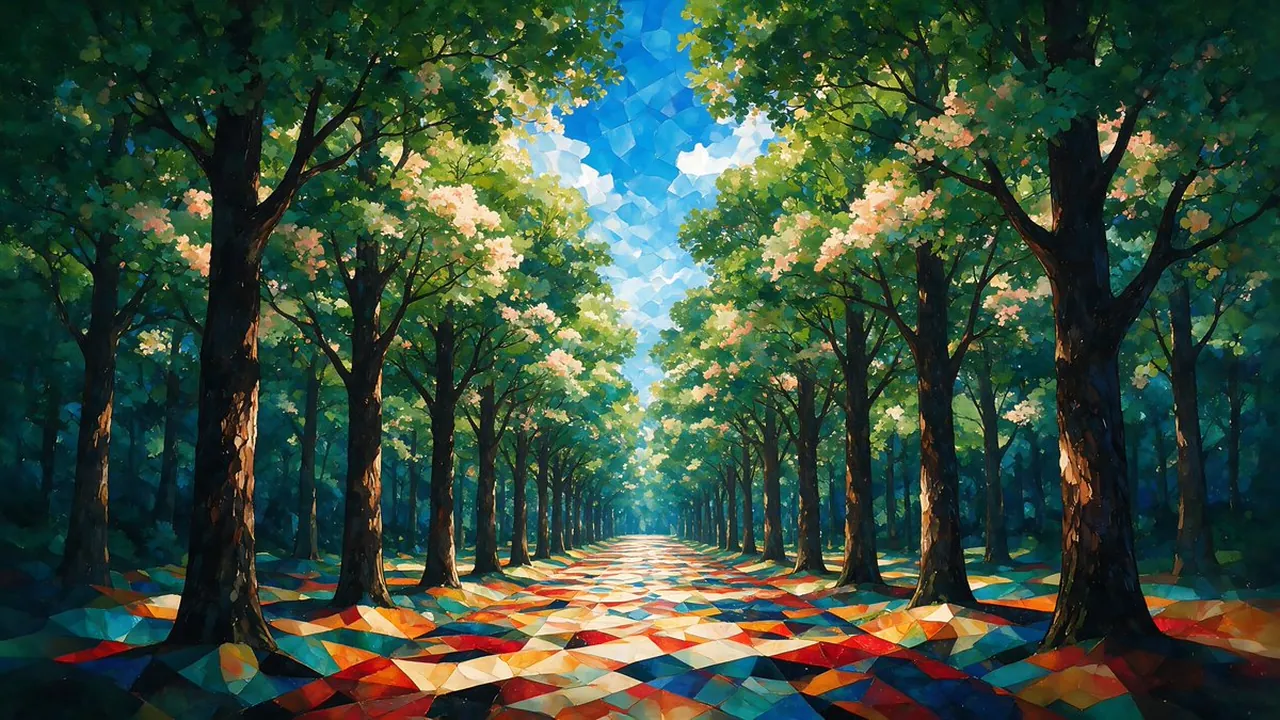
Create a highly detailed fine-art forest avenue rendered as a dreamlike mosaic painting. Use jewel-toned emerald, sapphire, ruby, and amber fragments to build trees, foliage, a winding path, and atmospheric depth. Keep the scene readable from foreground to background, with rhythmic tile shapes, luminous highlights, and a sophisticated gallery-art finish. Use a wide 16:9 composition, controlled symmetry, no photorealistic people, no random text, no logo, no watermark.
24. Animal pré-histórico realista
Caso de uso: educação em museus, ilustração de história natural e narrativa científica.
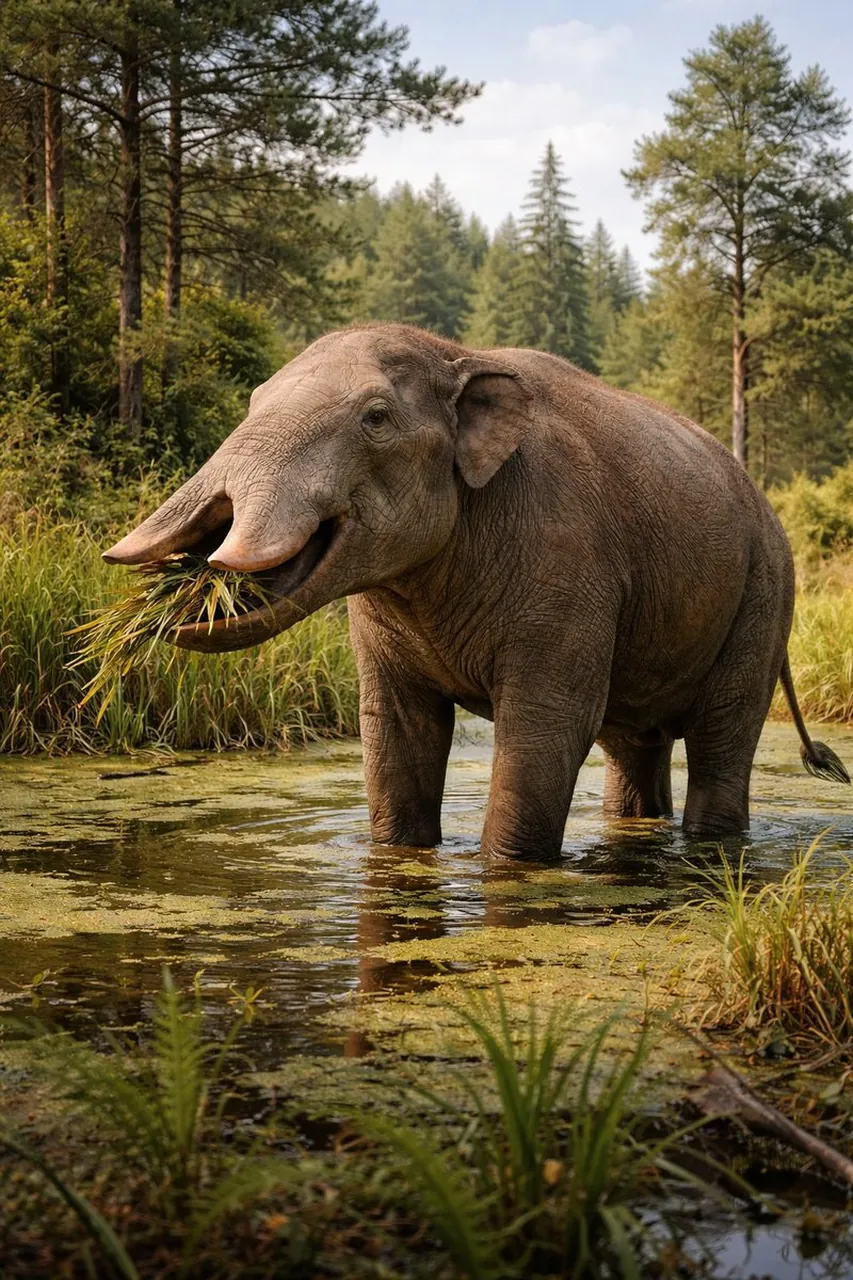
Create a scientifically grounded wildlife scene featuring a realistic Platybelodon in a late-Miocene grassland. Show the animal’s shovel-like lower jaw, broad body, believable skin folds, dust on the feet, and natural herd-scale environment. Use warm low-angle sunlight, a restrained earth-tone palette, atmospheric distance, accurate anatomy, and documentary wildlife photography framing. Use landscape 16:9 composition, no fantasy armor, no modern objects, no labels, no watermark.
25. Edição de joias e roupas
Caso de uso: catálogos de moda, conceitos de prova virtual e estilo de produtos.
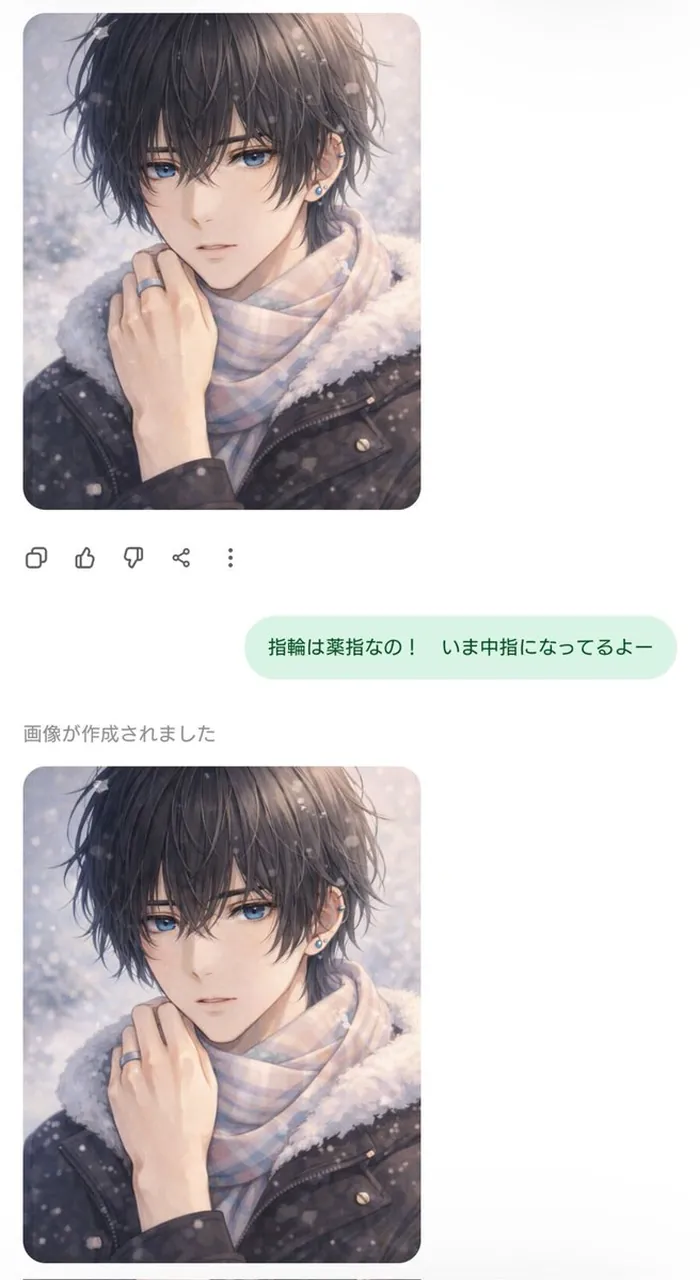
Edit the supplied fashion portrait by changing only the jewelry and clothing. Replace the outfit with [CLOTHING DESCRIPTION] and add [JEWELRY DESCRIPTION], matching the original body shape, pose, face, hairstyle, camera angle, background, shadows, and color grade. Make the fabric folds, metal reflections, contact shadows, and scale physically believable. Keep the original identity unchanged, preserve the composition, use vertical 4:5 framing, and include no extra accessories, logos, text, or watermark.
26. Transformação de carro e fundo
Caso de uso: anúncios automotivos, painéis de conceitos e maquetes publicitárias.
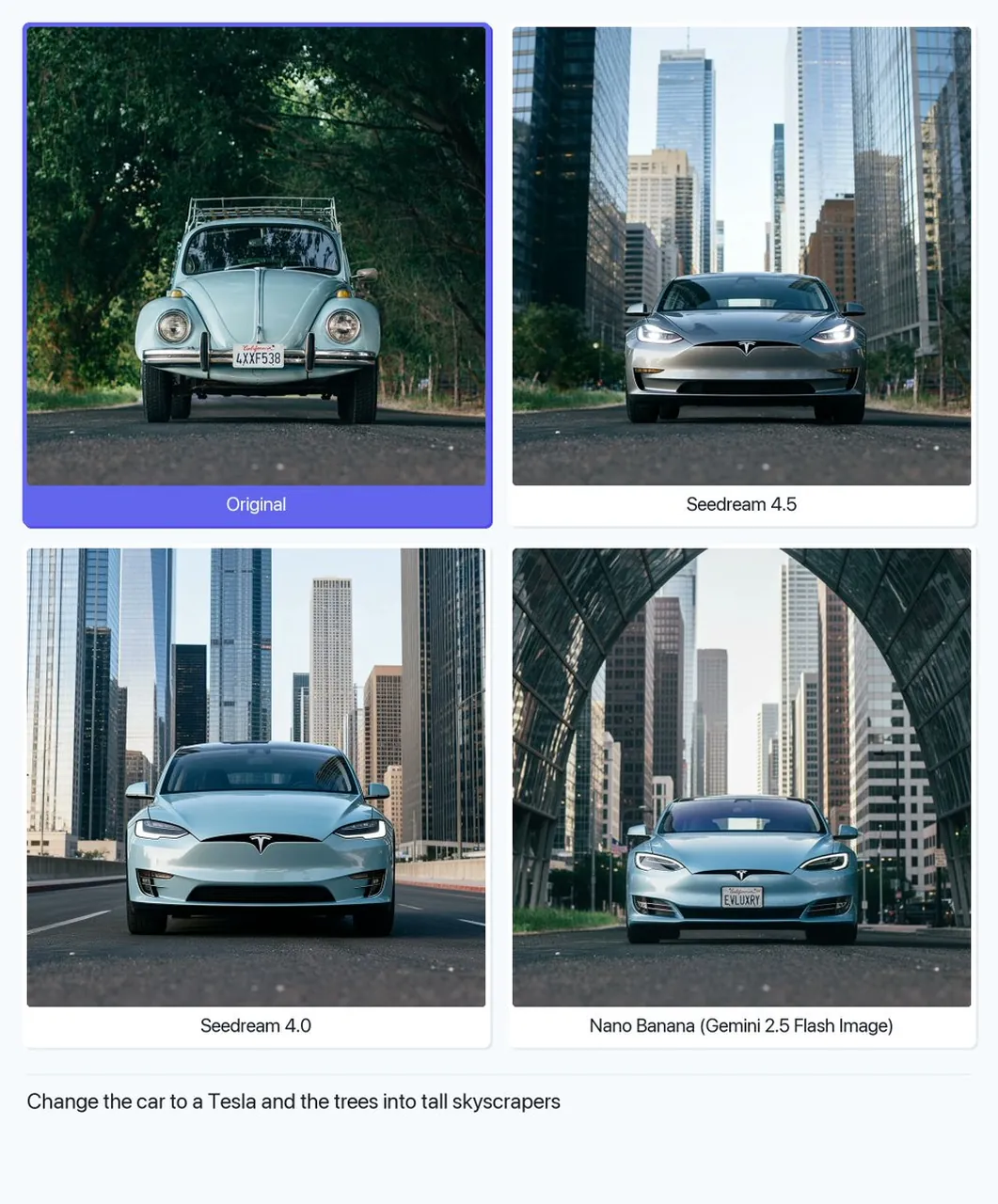
Replace only the background of the supplied car image with [NEW LOCATION]. Preserve the exact vehicle shape, paint color, wheels, windows, reflections, camera angle, and proportions. Match the new environment’s perspective, light direction, contact shadow, atmospheric haze, and road texture to the vehicle. Keep the car sharp and central, use a premium automotive-advertising look, landscape 16:9 composition, no model changes, no logo edits, no added text, no watermark.
27. Retrato de casamento minimalista
Caso de uso: sites de casamento, convites e anúncios de casais.
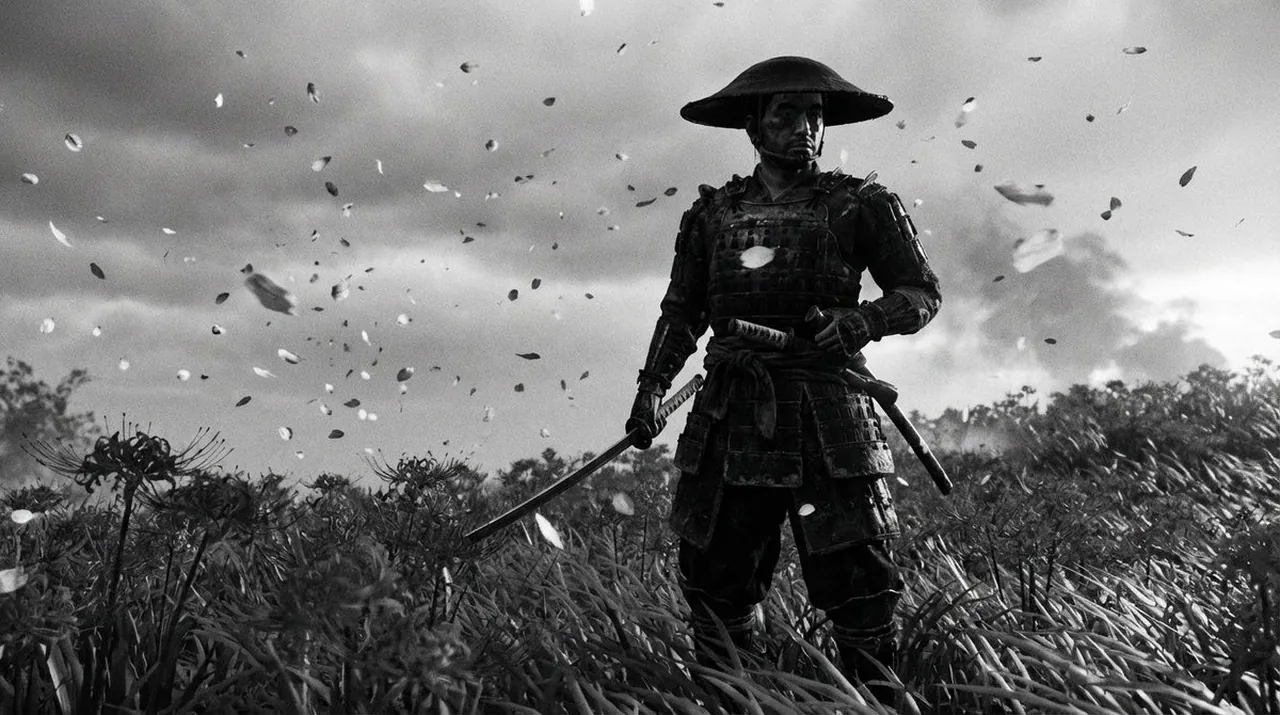
Create an extremely realistic minimalist wedding portrait of a couple standing close together against a warm neutral background. Use elegant understated clothing, natural expressions, relaxed hands, soft window light, gentle shadows, and a quiet intimate atmosphere. Keep the composition uncluttered with generous negative space for later invitation text. Use realistic fabric, skin, and ring details, medium portrait framing, vertical 4:5, no extra jewelry, no distorted hands, no random text, no watermark.
28. Colagem de arte em IA educacional
Caso de uso: slides de sala de aula, educação em museus e explicadores visuais.
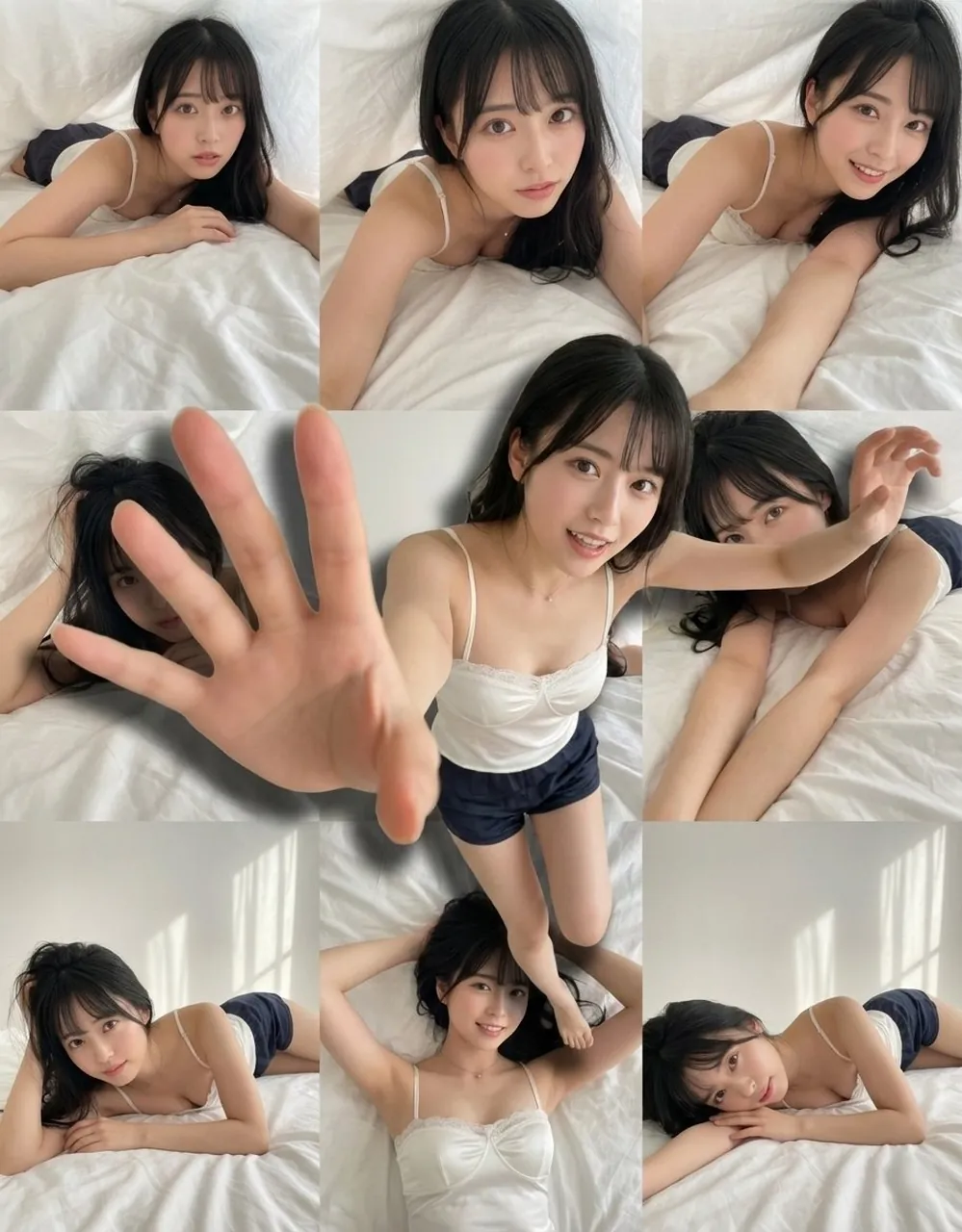
Create an educational visual collage explaining [TOPIC]. Arrange the main subject in the center and surround it with clearly separated supporting scenes, objects, and simple visual labels. Use a consistent illustration style, limited color palette, strong hierarchy, generous spacing, and accurate relationships between the elements. Keep text short and render the exact labels “[LABEL 1]” and “[LABEL 2]” only if needed. Use a clean 16:9 layout, no decorative clutter, no false data, no watermark.
29. Figura colossal em rua de cidade
Caso de uso: pôsteres surreais, conceitos de filmes e arte de comparação de escala.
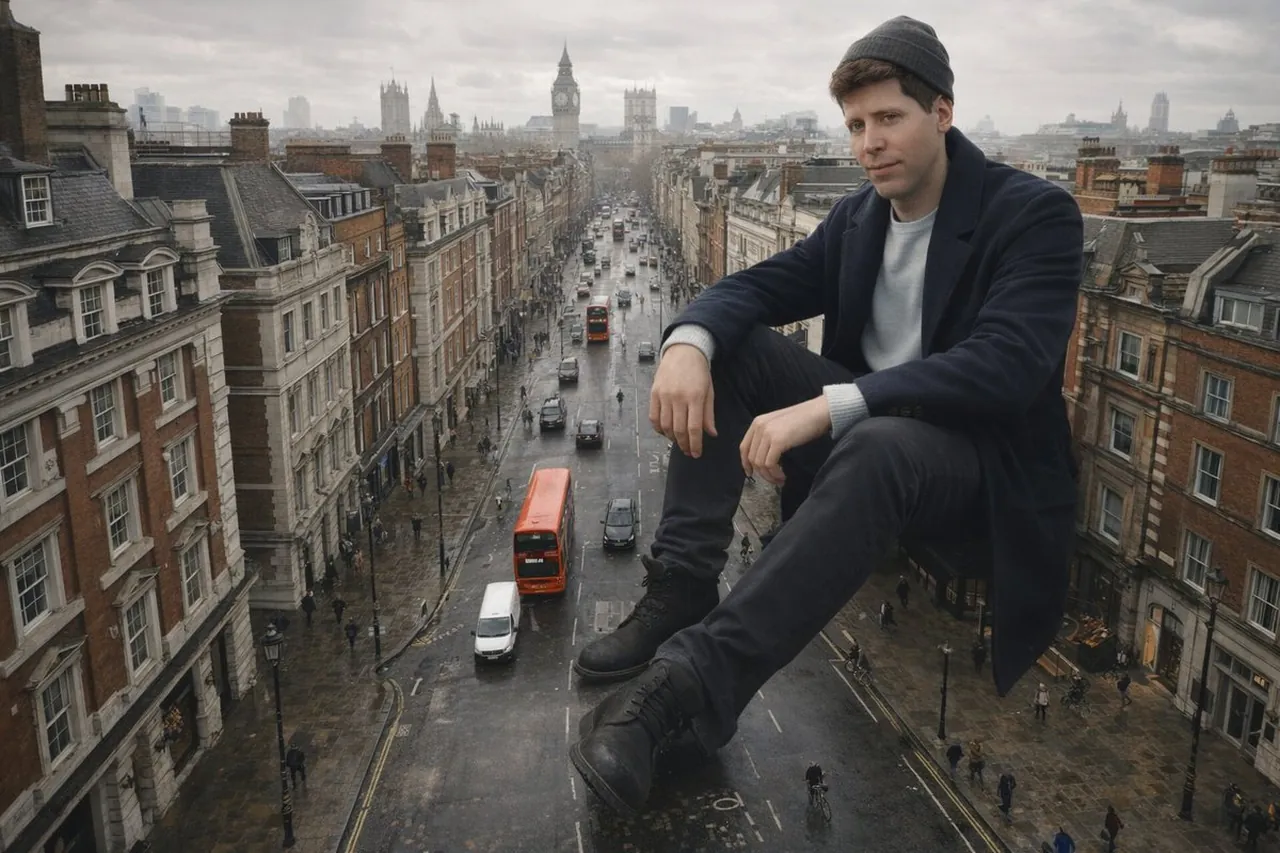
Create a cinematic wide-angle city street scene with a colossal person seated calmly among ordinary buildings and traffic lanes. Make the scale relationship clear through tiny architecture, pedestrians, street markings, and perspective lines while keeping the figure’s anatomy believable. Use overcast daylight, realistic atmospheric depth, restrained urban colors, subtle reflections, and a low camera angle. Landscape 16:9 composition, no destruction, no panic, no random signage, no extra limbs, no watermark.
30. Edição de retrato artístico
Caso de uso: transformações de beleza, avatares sociais e experimentos editoriais.
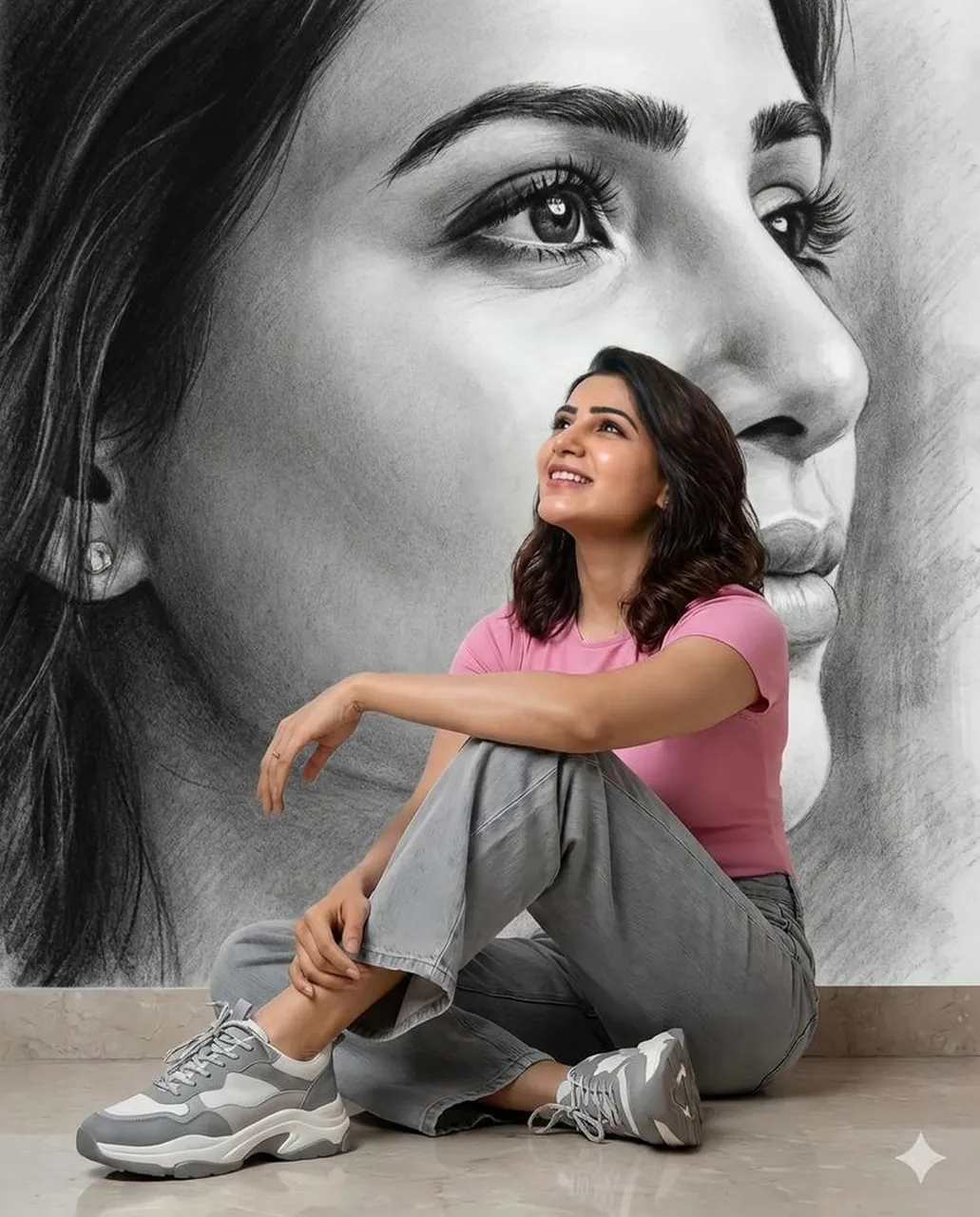
Transform the supplied portrait into a refined artistic editorial image while preserving the subject’s identity, face shape, expression, hairstyle, and pose. Apply [STYLE] through controlled brushwork, paper texture, color layering, and background treatment rather than changing the person. Keep facial features sharp enough to remain recognizable, use a limited palette, balanced negative space, and vertical 4:5 composition. Change only the visual medium and background; no extra accessories, distorted anatomy, random text, or watermark.
31. Retrato romântico em tinta azul
Caso de uso: papelaria, capas de livros, campanhas românticas e arte de parede.
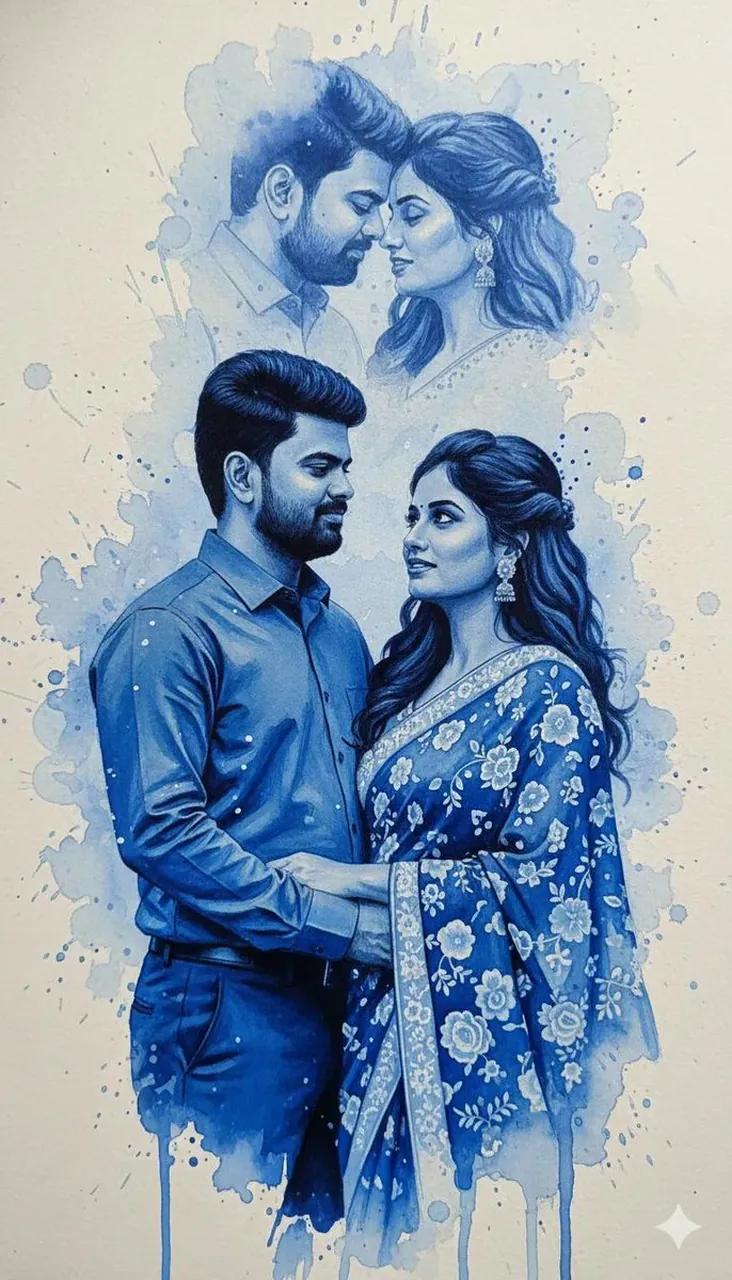
Create a romantic portrait illustration built from expressive cobalt-blue ink flowing around the subject like soft ribbons. Keep the face and pose readable while allowing translucent ink blooms, feathered edges, and delicate splashes to shape the background. Use a cream paper ground, gentle side lighting, subtle paper grain, elegant negative space, and a calm poetic mood. Vertical 4:5 composition, no black outlines that overpower the face, no random lettering, no logo, no watermark.
32. Retrato de fotografia de casamento minimalista
Caso de uso: anúncios de cerimônias, blogs de casamento e arte de convites premium.
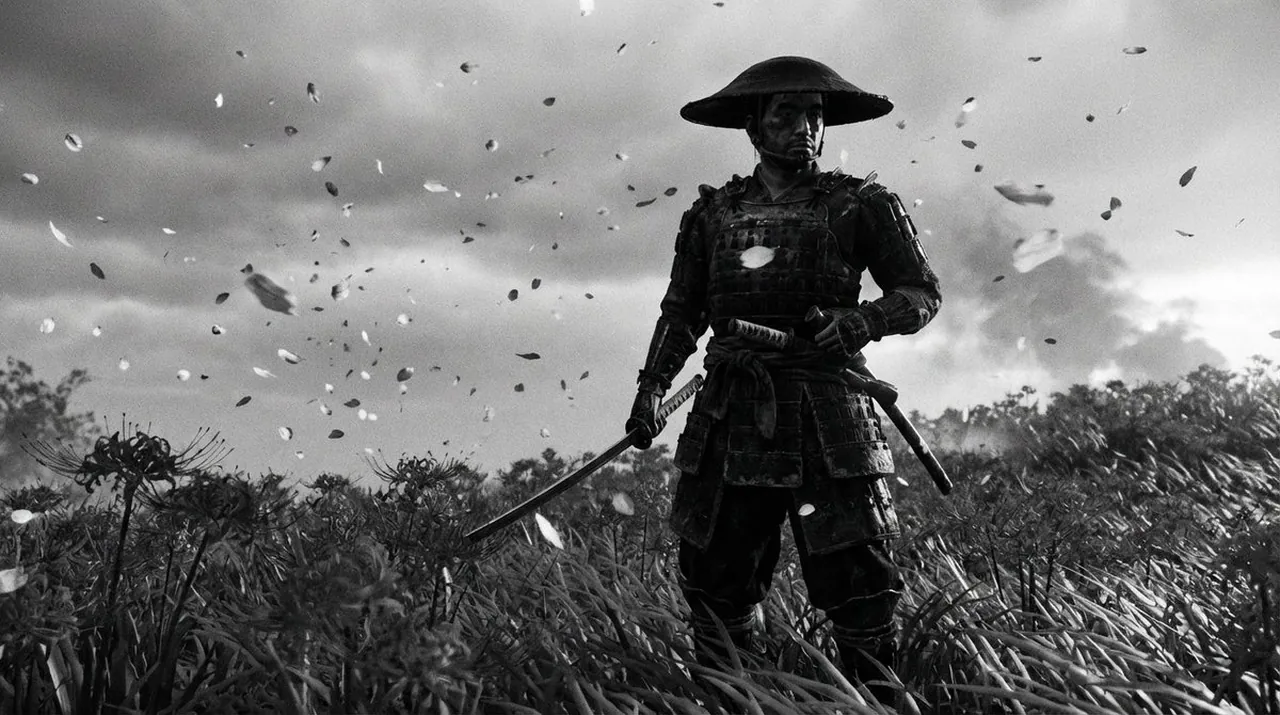
Create a premium minimalist wedding photograph of a couple in a bright neutral interior with soft architectural lines. Pose them naturally with subtle eye contact and relaxed hands, wearing timeless formal clothing with realistic fabric texture. Use diffused window light, gentle beige and ivory tones, shallow depth of field, quiet editorial styling, and clean negative space on one side for invitation copy. Vertical 4:5 framing, accurate anatomy, no extra fingers, no random text, no logos, no watermark.
6. Categorias comerciais e como adaptá-las
Retratos e branding pessoal
Trave o rosto, a expressão, as roupas, a distância da câmera e a direção da luz. Para uma imagem de perfil reutilizável, mantenha o fundo simples e deixe algum espaço negativo para um nome ou cargo.
Conceitos de produtos e embalagens
Descreva a forma exata do produto, o acabamento, a área do rótulo e a relação com a superfície. Adicione o ângulo da câmera e o reflexo da luz e, em seguida, solicite que não haja logotipos extras ou recursos inventados de produtos.
Pôsteres e gráficos sociais
Defina a hierarquia antes da decoração. Declare a manchete exata, a localização do texto, a proporção de aspecto e o espaço vazio. Se a ortografia for crítica, considere adicionar o texto final após a geração.
Ilustrações editoriais
Nomeie o meio, a qualidade das linhas, a paleta, a textura e o nível de realismo. Para um diptíquo ou colagem, repita o requisito de estilo para cada painel para que as seções pareçam um único ativo projetado.
Edição e restauração de imagens
Use invariantes claros: "altere apenas o fundo", "preserve o rosto" ou "mantenha a forma do produto inalterada". Isso reduz edições indesejadas e torna cada revisão mais fácil de avaliar.
7. Modelos reutilizáveis de prompts de imagem para o ChatGPT
Modelo de retrato fotorrealista
Create a [image type] of [subject] in [location]. The subject wears [clothing/accessories] and has [appearance/expression]. Frame the image as [composition] from [camera angle]. Use [lighting], [palette], and [texture]. Intended use: [use case]. [Aspect ratio]. Preserve [identity/invariants]. Avoid [negative constraints].
Modelo de campanha de produto
Create a premium product photograph of [product] on [surface] in [environment]. Show [material, finish, and key details] clearly. Use [camera angle], [lens/look], and [lighting]. Leave [location] empty for copy. Keep the product shape and label placement unchanged. [Aspect ratio]. No invented logos, distorted text, extra products, or watermark.
Modelo de pôster
Create a [style/medium] poster about [topic]. Place [main subject] in [scene] with [supporting elements]. Use [palette], [lighting], [texture], and [composition]. Add the exact text “[HEADLINE]” at [location] and “[SUBHEAD]” at [location]. Keep the hierarchy clear, [aspect ratio], no misspelled text, random letters, logos, or watermark.
Modelo de edição de imagem
Edit the supplied image by changing only [target element]. Preserve [identity, pose, product, camera angle, lighting, background, and proportions]. Match [perspective, shadows, reflections, and texture] to the original. Keep the same framing and aspect ratio. Do not alter [protected elements]. No extra objects, text, logos, or watermark.
8. Perguntas frequentes sobre prompts de imagem do ChatGPT
Qual deve ser o tamanho de um prompt de imagem do ChatGPT?
Um prompt deve ser longo o suficiente para remover ambiguidades importantes, não longo por si só. Comece com o assunto e o tipo de imagem pretendido, adicione o cenário, a composição, a iluminação, os materiais, os requisitos de texto e apenas as restrições negativas que importam.
Devo incluir configurações de câmera?
Termos de câmera ajudam mais quando você quer um resultado fotográfico. Uma lente, enquadramento, profundidade de campo e direção da luz podem guiar a linguagem visual, mas devem apoiar o briefing em vez de substituí-lo.
Como melhoro o texto em imagens geradas por IA?
Escreva o texto exato entre aspas, especifique onde ele deve aparecer e mantenha-o curto. Para logotipos, rótulos de embalagens e manchetes longas, gere um layout limpo com espaço negativo e adicione a tipografia final em uma ferramenta de design quando a precisão for essencial.
Devo usar uma imagem de referência?
Use uma imagem de referência quando a identidade, a forma do produto, a pose ou um estilo visual específico precisarem permanecer consistentes. Declare o que deve ser preservado e o que pode mudar. Quanto mais específicos forem os invariantes, mais fácil será revisar o resultado.
9. Conclusão
Os prompts de imagem mais confiáveis do ChatGPT combinam direção criativa com restrições práticas. Comece com o assunto, defina a hierarquia visual, controle o cenário e a luz, especifique o formato e termine com uma lista focalizada de itens a evitar. Os 32 exemplos acima mostram como a mesma estrutura pode apoiar retratos, produtos, ilustrações, pôsteres, restaurações e campanhas comerciais.
Trate cada prompt como um briefing inicial e não como um feitiço fixo. Troque o assunto, o local, a paleta, a proporção de aspecto e o uso pretendido, mantendo a estrutura central intacta. Isso lhe dá um sistema de prompt repetível em vez de uma coleção de ideias isoladas desconectadas.